
Disability income is off-limits when you file bankruptcy in Florida. Federal law shields Social Security Disability Insurance, Supplemental Security Income, and other disability benefits from creditors, no matter how much debt you owe.
At Harnage Law, PLLC, we help disabled individuals understand these protections and move forward with confidence.
How Disability Income Stays Protected in Chapter 7
Federal Law Shields Your Disability Benefits
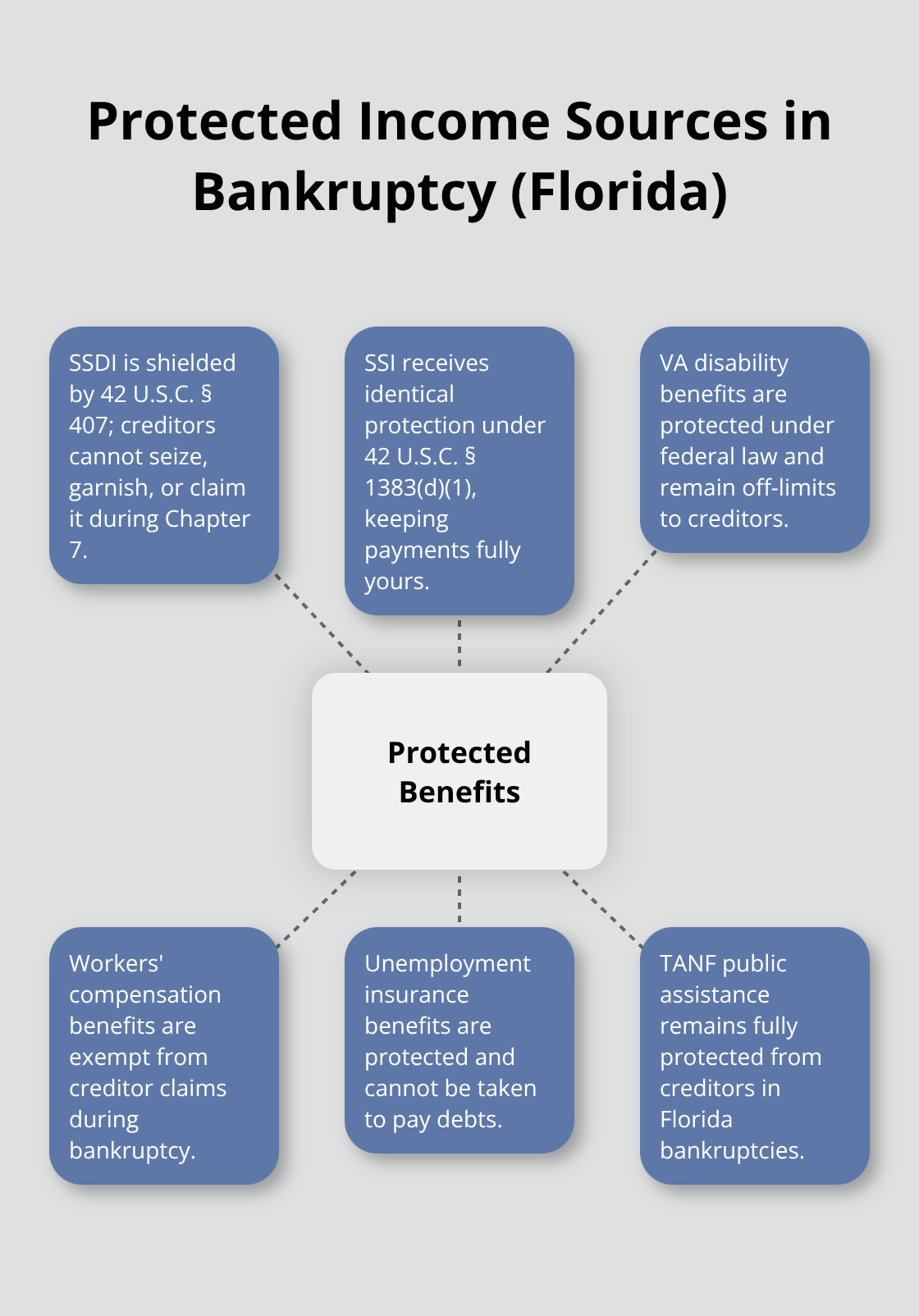
Social Security Disability Insurance and Supplemental Security Income remain completely off-limits to creditors when you file Chapter 7 bankruptcy in Florida. Federal law, specifically 42 U.S.C. § 407, makes SSDI untouchable-creditors cannot seize it, garnish it, or claim any part of it to pay debts. SSI receives the same protection under 42 U.S.C. § 1383(d)(1). If you receive $1,500 monthly in SSDI or $1,000 in SSI, that full amount stays yours.
The protection applies regardless of how much debt you owe or what chapter of bankruptcy you file.
When the automatic stay takes effect immediately upon filing, creditors must stop all collection attempts, including wage garnishment or account levies they may have started before you filed. Florida courts consistently enforce these federal protections, and trustees cannot touch disability income because it never becomes part of your bankruptcy estate.
How Disability Income Affects Your Means Test
The key advantage for disabled individuals lies in how SSDI and SSI affect your means test income in Chapter 7. Disability income does not count toward your means test calculation, making it easier to qualify for bankruptcy. If you earn $2,000 monthly in SSDI and have $500 in part-time work income, only the $500 counts toward the means test. This significantly improves your chances of filing Chapter 7 instead of being forced into a Chapter 13 repayment plan.
Veterans receiving VA disability benefits receive identical protection-federal law shields these payments from creditors. Workers’ compensation benefits, unemployment insurance, and public assistance programs like TANF also remain fully protected. The Florida exemption statutes reinforce these federal protections, creating a double layer of security. If you receive multiple disability income sources (perhaps SSDI plus VA benefits), each stream remains separately protected.
Protecting Disability Income in Your Bank Account
The protection extends to your bank account once disability income deposits there. Creditors cannot freeze or seize funds that come from protected sources, though you must trace the funds back to their disability origin. If you deposit $1,500 in SSDI on the first of the month and spend it throughout the month, the entire account balance remains protected as long as you can show it came from SSDI.
If you receive mixed income-disability benefits plus wages-keep exempt funds separate from non-exempt accounts or maintain detailed bank statements showing deposits. Creditors will argue that commingled funds lose protection, which is why organization matters. The automatic stay prevents account freezes immediately when you file, stopping creditors from accessing your account even before your case is fully processed. This immediate protection gives you breathing room to organize your finances and plan your next steps.
Why Disability Income Cannot Be Touched in Bankruptcy
Federal bankruptcy law treats disability income as completely separate from your other assets, which means creditors have no legal pathway to reach it regardless of how much you owe. The protection starts with 42 U.S.C. § 407, which makes SSDI untouchable the moment you receive it. SSI receives identical protection under 42 U.S.C. § 1383(d)(1). These are not suggestions or guidelines-they are absolute federal mandates that Florida courts enforce consistently. When you file Chapter 7, your disability income never enters your bankruptcy estate, so the trustee assigned to your case cannot liquidate it, and creditors cannot claim it against your debts. This protection applies whether you owe $10,000 or $500,000. Veterans receiving VA disability benefits get the same treatment under federal law. Workers’ compensation, unemployment insurance, and TANF also remain completely protected. If a creditor froze your bank account before you filed, the automatic stay stops that freeze immediately and forces the release of any disability funds they seized.
Separate Accounts Protect Your Disability Funds
The practical reality is that protection only works if you can prove the money came from a protected source. If you deposit $1,500 in SSDI on the first and then deposit $800 in wages on the tenth, creditors will argue the entire $2,300 is at risk. This is why you should keep separate accounts for disability income and earned wages-it is the difference between protection and exposure. Maintain detailed bank statements that show deposits from the Social Security Administration and other protected sources. If you receive mixed income, a separate savings account for disability funds creates an undeniable paper trail that creditors cannot dispute. The moment you file Chapter 7, the automatic stay prevents any new account freezes, but organizing your accounts before filing eliminates confusion during your case. Florida courts have consistently ruled that disability income deposited into a clearly identifiable account remains protected even if other funds sit in the same bank.
Federal Law Blocks Garnishment of Disability Payments
Wage garnishment is the most common collection tactic creditors use, but federal law prohibits creditors from garnishing SSDI or SSI payments under any circumstances. Even if a creditor wins a judgment against you, that judgment gives them no authority to touch your disability income. Some creditors test this boundary by attempting to garnish bank accounts containing mixed funds, which is why separation matters. Florida law reinforces federal protections by explicitly exempting public assistance benefits from creditor claims. If a creditor contacts you claiming they can take your disability income, they are lying. The only debt that can reduce your SSDI is federal tax debt or student loan debt owed to the federal government, and even those have strict limits. Chapter 7 bankruptcy adds another layer of protection by triggering the automatic stay, which stops all collection actions immediately. Once your case closes and you receive a discharge, creditors lose all legal standing to pursue the debts entirely.
Understanding how your disability income flows through bankruptcy is essential before you file, which is why the next section covers what happens to your other assets and how exemptions protect them.
Rebuilding After Bankruptcy on a Fixed Income
After your Chapter 7 discharge closes your case, your disability income remains exactly as protected as it was during bankruptcy. The discharge eliminates your debts, but the real work starts when you need to build spending habits that prevent the cycle from repeating. Since SSDI and SSI payments stay constant month-to-month, you control whether you accumulate new debt through discipline, not luck.
Building an Emergency Fund on Limited Income
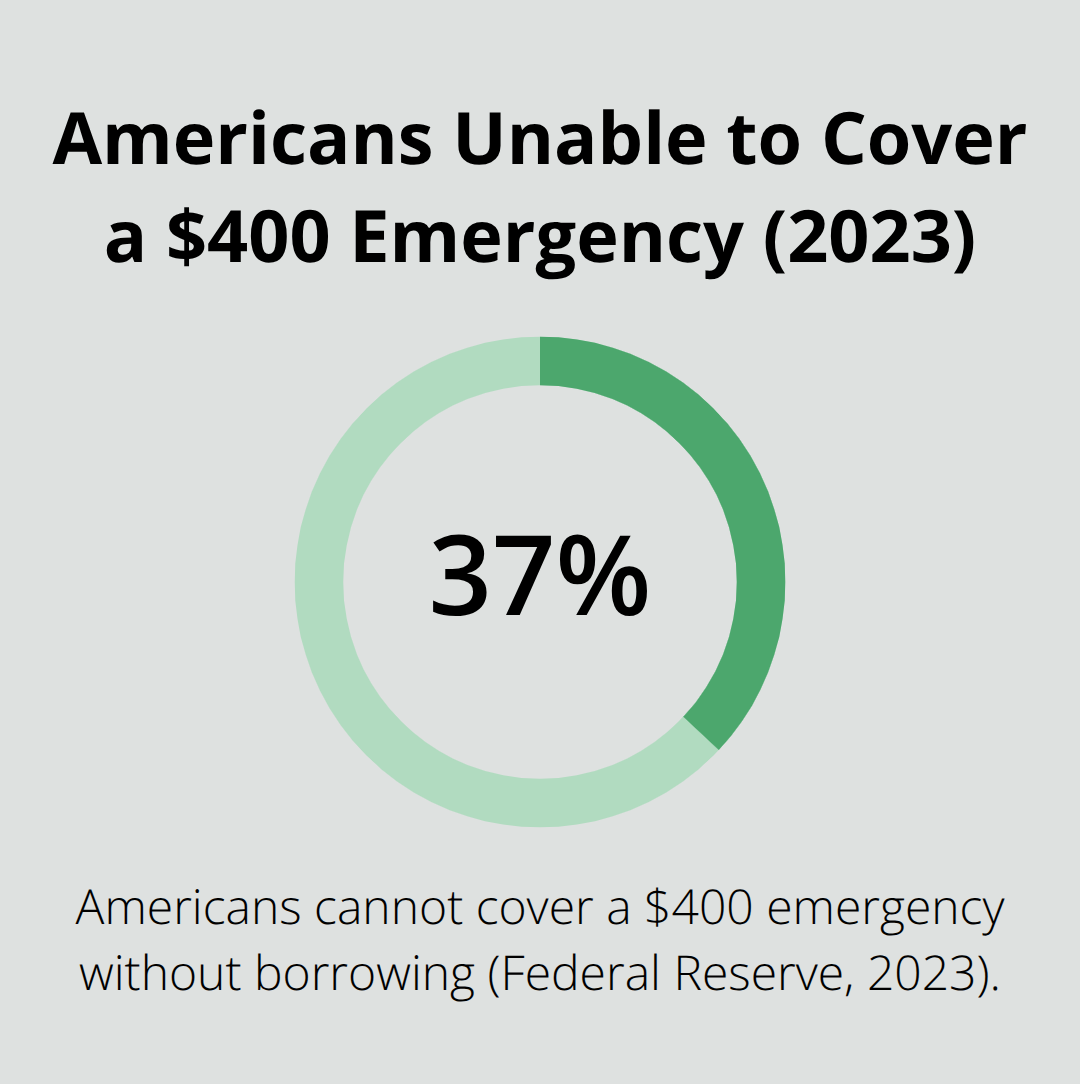
The Federal Reserve’s 2023 Survey of Household Economics and Decisionmaking found that 37% of Americans cannot cover a $400 emergency without borrowing, which means disabled individuals on fixed income face even greater vulnerability. Your post-bankruptcy budget must account for unexpected costs that previously sent you into debt.
Start tracking every dollar for three months after discharge, documenting where money goes beyond rent, food, and utilities.
Medical expenses, prescription costs, and mobility aids create the largest surprise costs for many disabled individuals. If you receive $1,500 monthly in SSDI, allocating $200 to an emergency fund takes nine months to build $1,800 in reserves. This single step prevents most people from returning to credit cards when unexpected bills arrive.
Avoiding Installment Plans and Credit Traps
Avoid installment plans and payment plans that promise flexibility, because fixed income cannot handle variable expenses. If you need new glasses or dental work, save for it across months rather than financing it. Credit card companies specifically target disabled individuals because they know fixed income means predictable spending patterns, so reject any credit offer in the first two years after discharge.
Rebuilding Credit Strategically
Rebuilding credit after bankruptcy feels counterintuitive, but you need a small credit presence to access better terms on future necessities like car loans or rental housing. Secured credit cards designed for post-bankruptcy borrowers require a cash deposit and report to credit bureaus, allowing you to rebuild your score without risk. The key difference from your pre-bankruptcy life is borrowing only for essential assets, not convenience purchases.
If you can pay cash for something, you must do that instead of using credit. Disability benefits create a unique advantage here because your income is legally untouchable, meaning creditors cannot pursue collection actions against your future payments if you default. This does not mean defaulting is acceptable, but it means your survival income remains protected even if you make poor credit decisions.
Managing Income Increases and Financial Counseling
Many disabled individuals benefit from financial counseling services offered free by nonprofit organizations like the National Foundation for Credit Counseling, which provides guidance on budgeting with limited income rather than generic advice assuming steady employment. If your disability income increases through cost-of-living adjustments, resist increasing your spending proportionally, because this extra money should go toward additional emergency savings or medical costs (such as new equipment or treatment).
The temptation to normalize spending increases destroys most post-bankruptcy recoveries. Florida residents on SSDI or SSI who face new financial hardship can contact Harnage Law, PLLC at (407) 255-8458 to discuss whether additional bankruptcy protection remains available, though Chapter 7 cannot be filed again for eight years from your discharge date.
Final Thoughts
Your disability income remains completely protected throughout Chapter 7 bankruptcy and beyond. Federal law shields SSDI, SSI, VA benefits, workers’ compensation, and unemployment income from creditors, meaning these funds cannot be seized, garnished, or claimed to pay debts regardless of how much you owe. Florida courts enforce these protections consistently, and the automatic stay stops collection attempts the moment you file bankruptcy.
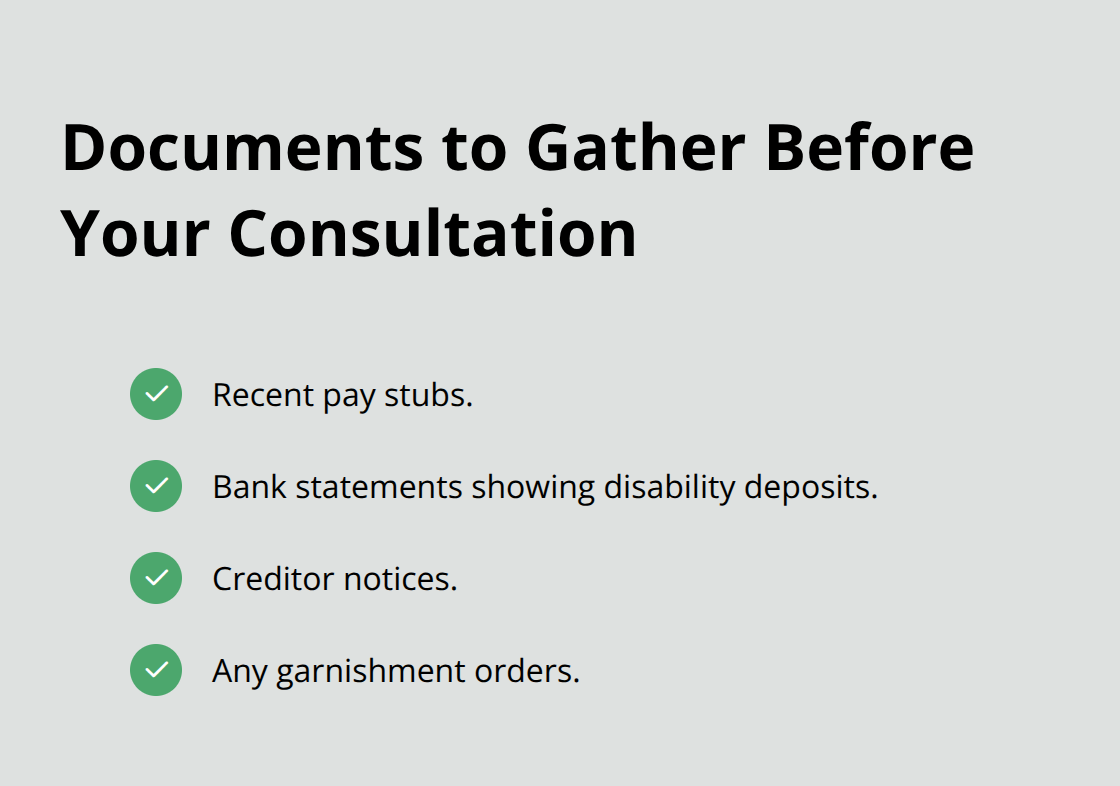
Collect recent pay stubs, bank statements showing disability deposits, creditor notices, and any garnishment orders before you contact us. We at Harnage Law, PLLC offer a free consultation at (407) 255-8458 to evaluate whether Chapter 7 bankruptcy makes sense for your situation, and we have more than 17 years of experience helping disabled individuals protect their benefits while discharging debts. We understand that disability income is your lifeline, and we structure every case to keep that income completely safe.
Filing bankruptcy when you live on fixed income feels overwhelming, but the alternative is allowing creditors to harass you indefinitely through calls, letters, and collection attempts. Chapter 7 stops that harassment immediately and gives you a genuine fresh start, and we at Harnage Law, PLLC offer flexible service options including home visits if traveling to an office creates hardship. Visit Harnage Law, PLLC to learn more about how we help disabled individuals protect their benefits and rebuild their financial lives.