
Wage garnishment can take hundreds of dollars from your paycheck every month, leaving you struggling to cover basic expenses. The good news is that Chapter 7 bankruptcy offers immediate relief through a legal protection called the automatic stay.
At Harnage Law, PLLC, we help Florida residents stop wage garnishments and regain control of their income. This guide explains how the process works and what comes next for your financial recovery.
How Wage Garnishment Works in Florida
What Happens When a Creditor Obtains a Judgment
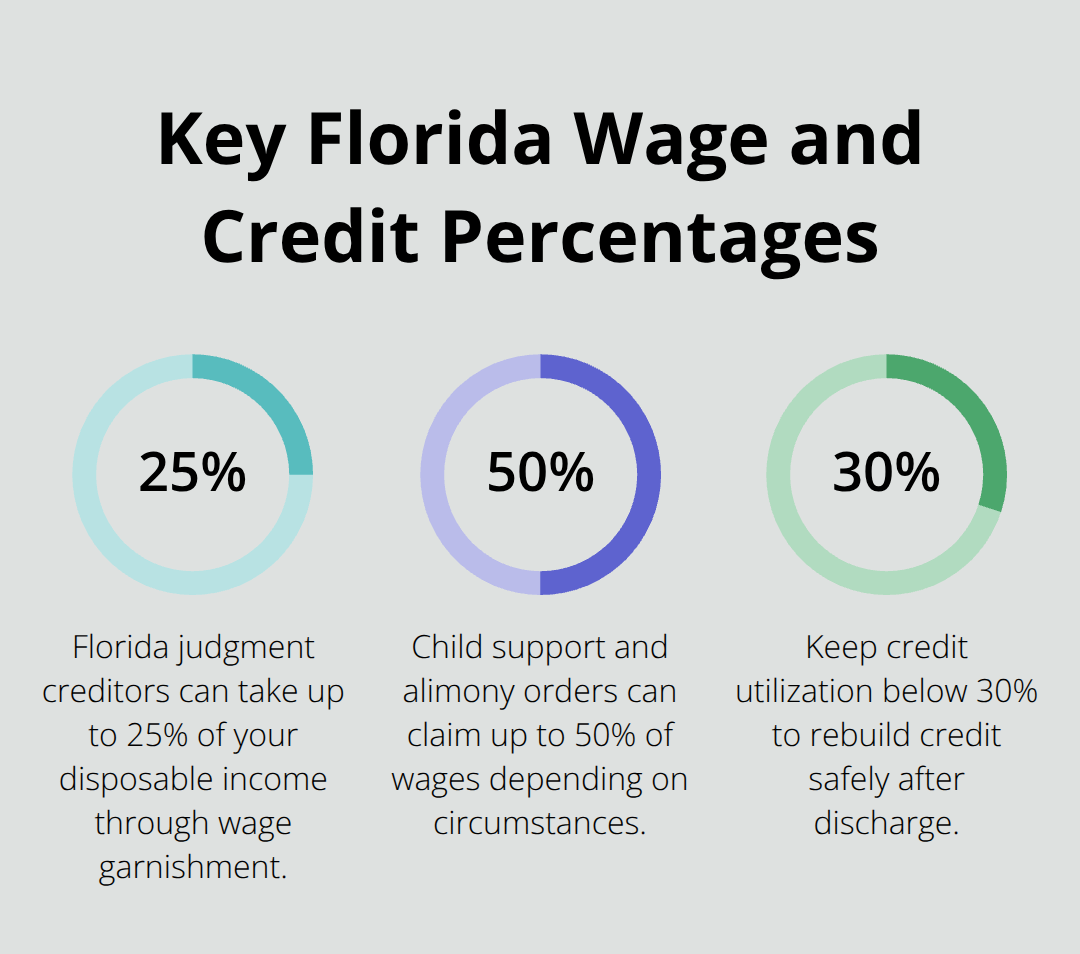
Wage garnishment starts after a creditor wins a court judgment against you. The creditor then files a Writ of Wage Garnishment with your employer, and your paycheck shrinks without warning. In Florida, creditors can take up to 25% of your disposable income-what remains after legally required deductions like taxes and Social Security. The process moves quickly. You might not know garnishment has started until you see the reduction on your pay stub.
Once the writ reaches your employer, payroll typically begins withholding within days. This means hundreds of dollars can vanish from your monthly income before you respond. Federal tax garnishments work differently and more aggressively. The IRS can garnish wages without obtaining a court judgment first, and in 2024, the IRS issued nearly 314,000 levy requests according to Internal Revenue Service data.
Different Types of Garnishments and Their Rules
Child support and alimony garnishments operate under their own rules and can claim up to 50% or more of your wages depending on circumstances. Judgment creditors-banks, credit card companies, and other private lenders-must follow the 25% cap under the Consumer Credit Protection Act, but that still leaves a devastating impact on your ability to pay rent, utilities, and groceries.
The Long-Term Financial Trap
The real damage from wage garnishment extends beyond the immediate paycheck reduction. A judgment remains valid for 10 years in Florida and can be renewed for another 10 years, meaning interest continues accumulating even if garnishment stops temporarily. If you owe $5,000 to a credit card company and that debt sits unpaid, post-default interest often runs around 29-30% annually, so the balance grows to $6,450 or more within a year.
Garnishment creates a financial trap because you cannot catch up while money leaves your account every pay period. Many people facing garnishment attempt settlements, but creditors inflate settlement demands with accumulated interest and fees, making the payoff amount far larger than the original debt.
Florida’s Head of Household Exemption
The Florida Head of Household Exemption can shield wages up to $750 per week if you provide more than half the support for a dependent, but this protection is not automatic-you must file an affidavit with the court to claim it. Even with this exemption, earnings above $750 per week can still be garnished unless you signed a valid written waiver in your original contract (and that waiver must appear in at least 14-point type on a separate document).
The combination of ongoing garnishment, compounding interest, and limited exemptions makes wage garnishment one of the most destructive collection tools creditors use. Understanding how garnishment operates is the first step toward recognizing why the automatic stay in Chapter 7 bankruptcy offers such powerful relief.
Chapter 7 Bankruptcy and the Automatic Stay
How the Automatic Stay Stops Wage Garnishment Instantly
Filing Chapter 7 bankruptcy triggers an automatic stay the moment your petition reaches the court, and this legal protection halts wage garnishment faster than any other method available. The automatic stay is a court order that immediately stops creditors from collecting, pursuing lawsuits, and withholding your wages. Your employer must cease garnishment within one to two weeks of receiving notice from the court, though the stay itself takes effect the instant you file. If your pay date falls the day after filing, garnishment might still process, but any funds withheld return to you once your bankruptcy attorney files proof of the stay with the court and notifies the creditor’s attorney. This speed matters because every paycheck counts when you struggle to cover rent, utilities, and food.
Understanding Which Garnishments the Stay Covers
The automatic stay covers most wage garnishments, but important exceptions exist that you need to understand. Child support and alimony garnishments can continue even after you file Chapter 7 because family support obligations take priority under bankruptcy law. Tax garnishments may pause during your bankruptcy case, but the IRS can resume collection after your case closes unless the underlying tax debt qualifies for discharge. Older tax debts more than three years past due may be discharged if you filed your tax returns on time, which would permanently stop any related wage garnishment. Federal student loans work similarly to taxes-the automatic stay halts garnishment during your case, but private student loans require a final judgment before garnishment can resume.
Timeline and Duration of Automatic Stay Protection
Chapter 7 bankruptcy typically completes in ninety to 120 days, meaning the automatic stay protects your income throughout the entire process. Once your debts discharge, wage garnishment for those debts ends permanently because the underlying obligation vanishes. If your Chapter 7 case is dismissed before completion, the stay expires and creditors can resume collection immediately, so maintaining your case through discharge remains essential. The practical reality is that the automatic stay gives you breathing room to stabilize your finances while the bankruptcy court handles your debts, and this protection lasts the entire duration of your case.
Understanding how the automatic stay works sets the foundation for what comes next: protecting your income and rebuilding your financial stability after garnishment stops.
Stabilizing Your Income After Chapter 7 Discharge
Protecting Your Wages and Assets from New Judgments
Once your Chapter 7 bankruptcy completes and your debts discharge, the immediate financial pressure lifts, but your next moves determine whether garnishment stays gone or creditors find new ways to collect. The automatic stay protected you during bankruptcy, but that protection ends when your case closes. Without intentional action, old creditors can attempt collection again, and new debts can spiral into garnishment within months. The first priority is preventing any creditor from obtaining a new judgment against you, which means staying current on all remaining obligations and responding immediately if you receive a lawsuit notice. If a creditor sues you and obtains a judgment before you respond, they can move straight to garnishment without further notice. Florida gives you twenty days to respond to a Summons and Complaint, and missing that deadline costs you the ability to defend yourself in court.
Social Security income remains exempt from garnishment under Florida law, so if you receive these benefits, they stay protected regardless of creditor actions. Disability income from insurance-related policies also remains exempt, and qualified retirement accounts like 401(k)s, IRAs, and 403(b)s cannot be garnished to pay most debts. Life insurance cash surrender values and annuities are similarly protected. If you have a health savings account or a 529 education savings plan, these accounts remain off-limits to creditors.
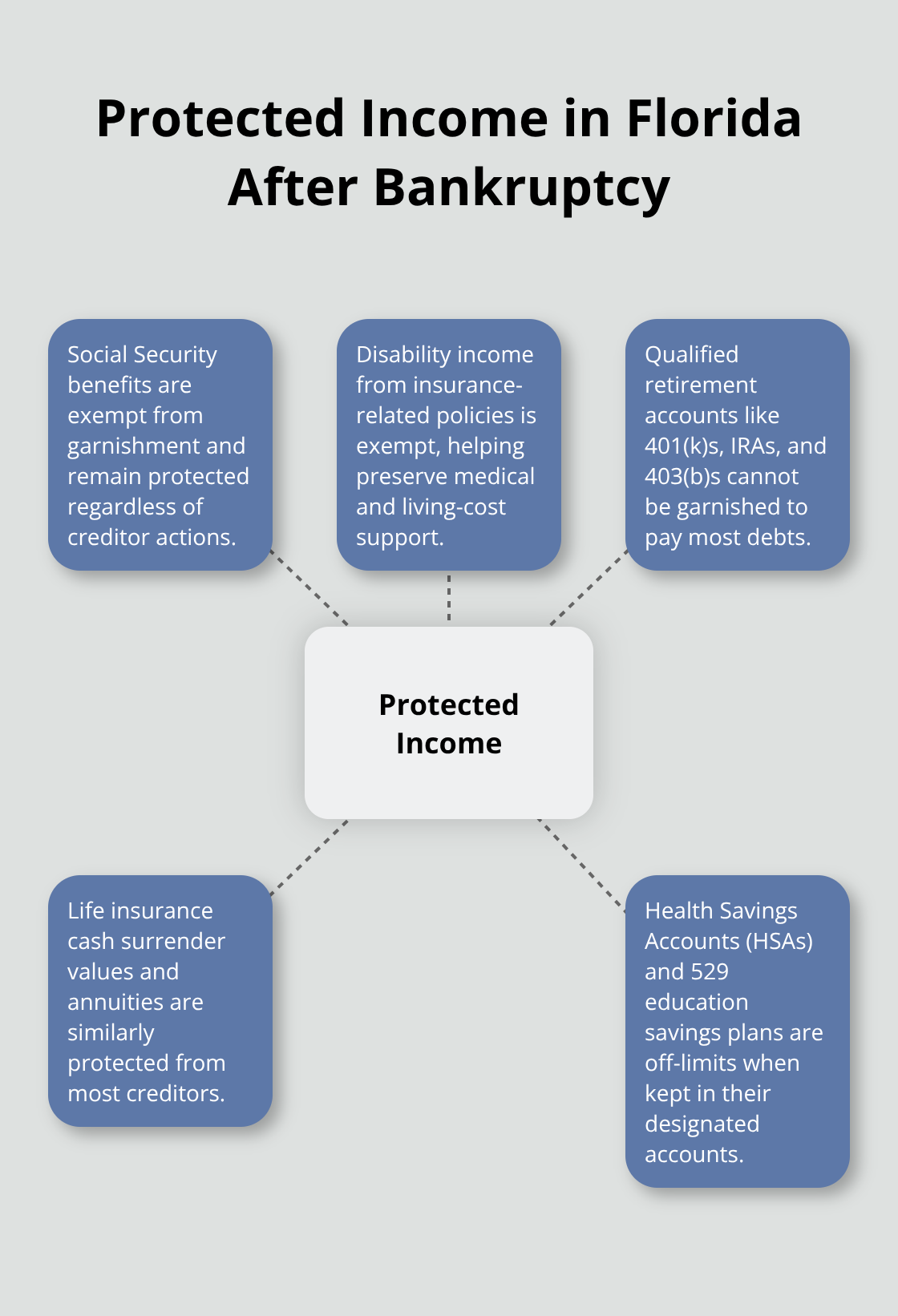
The key is keeping these funds in their designated accounts rather than transferring them to regular checking accounts, where they lose protection.
Maintaining Protected Income and Exemptions
Create separate accounts for protected income and keep them isolated from everyday spending to maintain clarity about what creditors cannot touch. If you receive a lump-sum settlement or inheritance after discharge, deposit those funds into protected accounts immediately rather than mixing them with regular income. The Florida Head of Household Exemption continues protecting your wages up to $750 per week if you provide more than half the support for a dependent, and this exemption survives even if new creditors obtain judgments. Verify your qualifying status annually because changes in dependent status can affect your protection level. Document your dependent support through tax returns and financial records so you can prove your exemption status if a creditor challenges it.
Building a Sustainable Budget Without Garnishment
A sustainable budget requires allocating your full paycheck toward essential expenses first, then debt repayment second, and savings third. Many people reverse this order and sacrifice necessities to pay old debts, which leads to new financial crisis. Rent, utilities, groceries, and transportation must come first because losing housing or transportation creates immediate hardship. Once essentials are covered, allocate thirty percent of remaining income toward debt repayment if you have new obligations, keeping payments manageable so you do not default again.
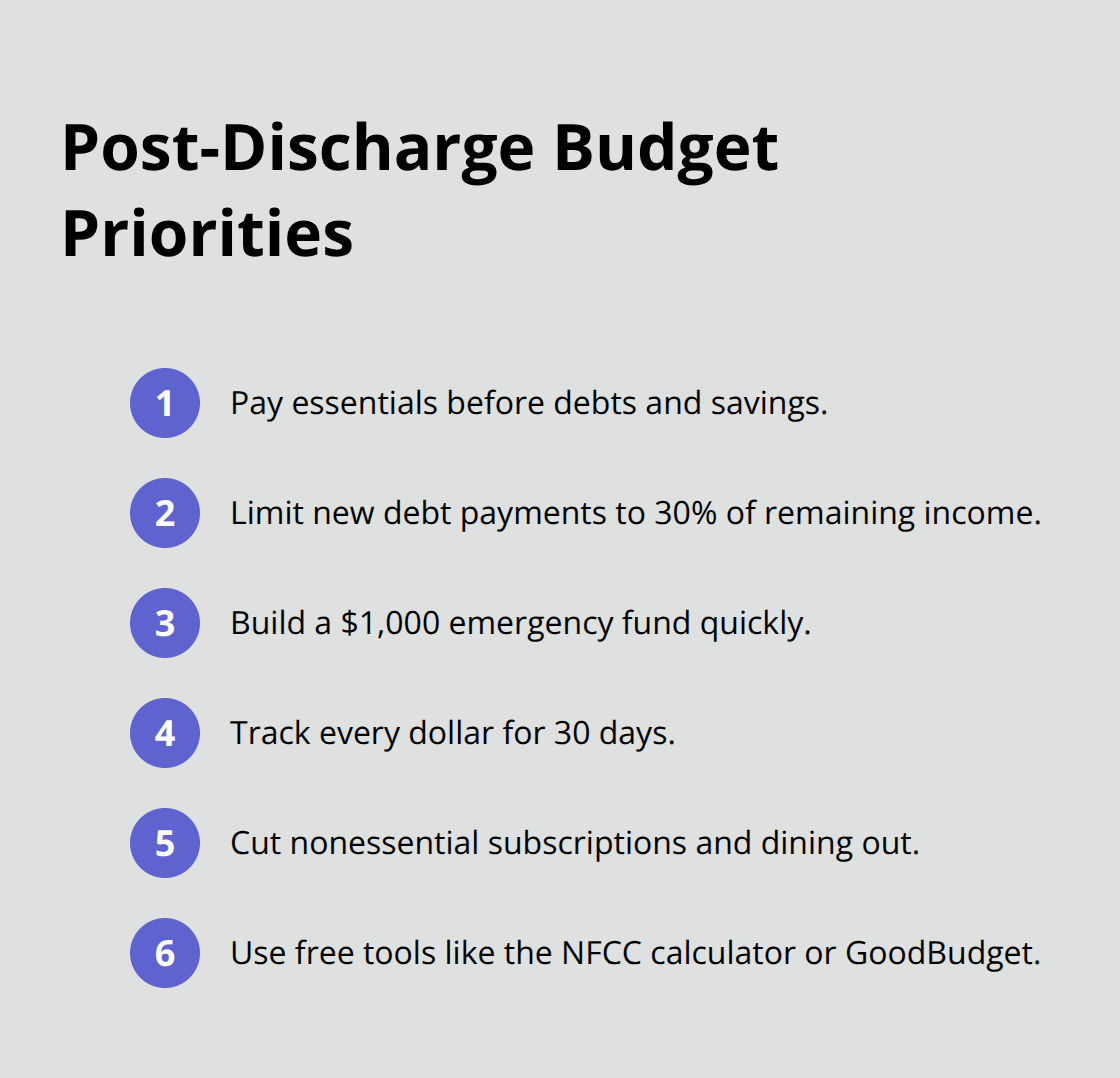
The remaining income should build an emergency fund of at least one thousand dollars to prevent relying on credit cards when unexpected expenses arise.
Without an emergency fund, a single car repair or medical bill triggers new debt, and new debt leads to new garnishment within eighteen to twenty-four months. Track your spending for thirty days to see where money actually goes, then eliminate expenses that do not support your essential needs or financial recovery. Subscription services, dining out, and discretionary purchases drain resources that should protect your fresh start. Use free budgeting tools like the NFCC’s budget calculator or apps like GoodBudget to monitor spending without cost.
Avoiding New Debt and Predatory Credit Offers
Avoid new debt by refusing credit offers in the months following discharge, even though creditors will aggressively target you. Your bankruptcy discharge makes you attractive to predatory lenders who charge high interest rates because they know you cannot discharge debt again for eight years. Accept no new credit cards, personal loans, or payday loans regardless of promotional rates. If you need credit for legitimate purposes like purchasing a car, wait at least six months after discharge and seek a secured credit card with a small deposit rather than unsecured debt. Pay that secured card in full every month to rebuild credit without accumulating balance.
Keep credit utilization below thirty percent if you do obtain credit, meaning if your limit is one thousand dollars, use no more than three hundred dollars monthly. Avoid cosigning loans for anyone because cosigning makes you liable if that person defaults, and that liability can lead to garnishment against your income. Set clear boundaries with family and friends about lending money after discharge because lending creates resentment if repayment fails, and informal loans can become formal judgments if relationships deteriorate.
Addressing Root Causes of Your Original Debt
The financial habits that led to garnishment before discharge will create the same outcome again if not changed. Identify the specific behaviors that caused your original debt: overspending, job loss, medical emergency, or poor financial planning. Address those root causes directly rather than assuming willpower alone prevents future problems. If overspending was your issue, remove access to credit and use cash envelopes for discretionary spending. If job loss caused your debt, build additional emergency savings and develop a side income source for stability. If medical debt triggered your financial crisis, research health insurance options and medical bill negotiation strategies to reduce future costs.
Final Thoughts
Chapter 7 bankruptcy stops wage garnishment relief in Florida by activating the automatic stay the moment you file, and discharge permanently eliminates the underlying debts so creditors lose all legal right to garnish your wages. Your case completes in ninety to 120 days, and the financial pressure that consumed your monthly budget disappears once the court approves your discharge. This relief extends beyond stopping deductions-it removes the judgment itself, halts accumulating interest, and prevents creditors from renewing collection efforts for another decade.
Your financial recovery requires intentional action after your Chapter 7 case closes. Stay current on all remaining obligations, respond immediately to any lawsuit notice, and keep protected accounts separate from everyday spending. Build an emergency fund to prevent new debt from triggering new garnishment, and address the financial habits that caused your original crisis so you do not repeat the same cycle.
We at Harnage Law, PLLC help Florida residents stop wage garnishments and rebuild their financial futures through Chapter 7 bankruptcy. If wage garnishment is draining your paycheck and you need immediate relief, contact us for a consultation to explore how Chapter 7 can provide the fresh start you deserve. Visit https://chapter7florida.com to learn more about our services and take the first step toward financial recovery.