
Filing Chapter 7 bankruptcy doesn’t mean losing everything you own. Florida bankruptcy exemptions protect a significant portion of your assets, and understanding what you can keep is the first step toward financial recovery.
We at Harnage Law, PLLC help clients navigate these protections every day. Many people are surprised to learn just how much property remains off-limits to creditors under Florida law.
How Florida Exemptions Actually Work in Chapter 7
The Legal Shield That Protects Your Assets
Exemptions form the legal shield that protects your assets during Chapter 7 bankruptcy. When you file, the court assigns a trustee to collect your non-exempt property and sell it to pay creditors. Exempt property stays with you. Florida law is straightforward on this point: if an asset falls under a Florida exemption, the trustee cannot touch it, period.
Why Florida Opted Out of Federal Exemptions
This matters enormously because Florida opted out of federal exemptions entirely. You cannot use federal bankruptcy exemptions in Florida-only Florida state exemptions apply. That single decision by Florida lawmakers fundamentally changes what you keep. Most states allow filers to choose between state and federal exemptions, picking whichever is more favorable. Florida removed that choice. Instead, the state legislature designed exemptions specifically for Florida residents, and the results are often more protective than federal alternatives, particularly for homeowners.
Meeting the Residency Requirement
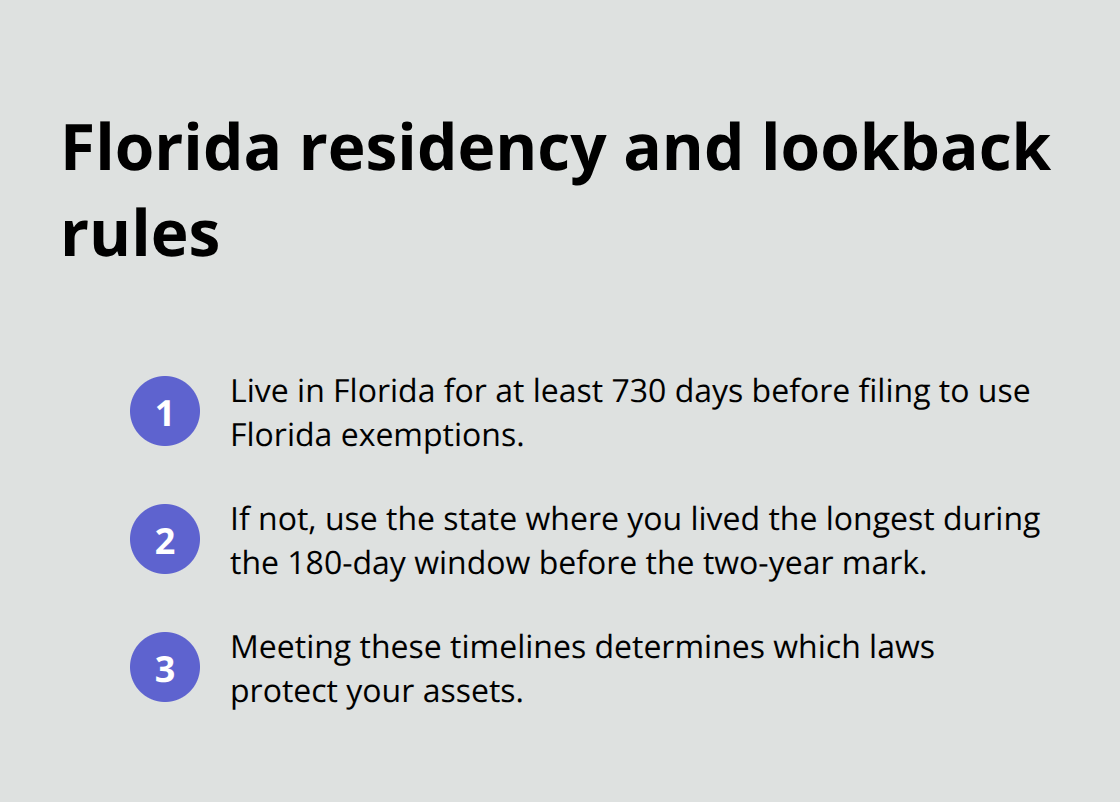
The residency requirement gates access to these protections. You must have lived in Florida for at least 730 days before filing to claim Florida exemptions. If you haven’t met that threshold, you fall back to exemptions from the state where you lived longest during the 180 days before the two-year mark preceding your filing. This timing determines which exemption laws shield your assets.
What You Actually Keep Under Florida Law
Once you qualify for Florida exemptions, you gain access to genuinely generous protections. The homestead exemption allows unlimited home equity if you owned the property for at least 1,215 days before filing. Even if you fall short of that ownership period, Florida still protects up to $170,350 in home equity. Vehicle exemptions protect up to $1,000 per vehicle, with an additional $4,000 wildcard exemption available if you skip the homestead exemption.
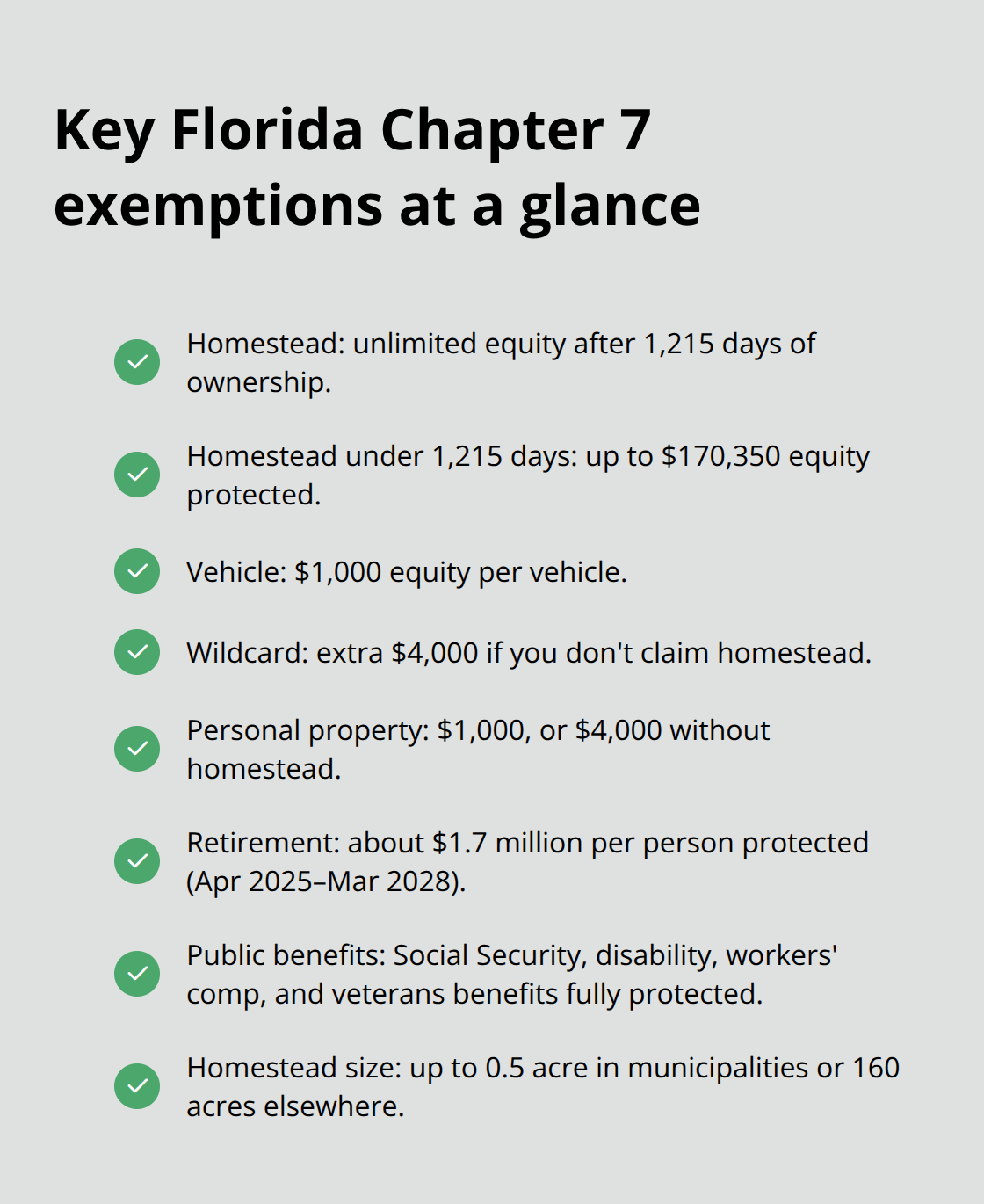
Retirement accounts receive near-total protection-401(k)s, IRAs, 403(b)s, pensions, and similar plans are essentially off-limits to creditors. Social Security, disability benefits, workers’ compensation, and veterans benefits remain fully protected. Personal property like furniture, electronics, and household goods stays yours up to $1,000, or $4,000 if you forgo homestead protection.
Real Numbers From Real Filers
These aren’t theoretical limits. They reflect what thousands of Florida filers actually keep each year when they discharge their debts. The specific assets you protect depend on your situation-your home equity, vehicle values, retirement savings, and income sources all factor into what the trustee can and cannot claim. Understanding which category your assets fall into requires careful analysis of your property against Florida’s exemption framework.
What Assets Stay Protected in Your Florida Chapter 7 Filing
Your Home Equity Receives Unlimited Protection
Your home represents the most powerful protection Florida offers. The homestead exemption allows unlimited equity protection if you own and occupy the property as your primary residence for at least 1,215 days before filing. A $500,000 home with $400,000 in equity stays completely yours, provided you meet the ownership timeline. If you fall short of 1,215 days, Florida still protects up to $170,350 in equity, which covers the majority of homeowners. The property must stay within size limits: half an acre in municipalities or 160 acres elsewhere. One critical detail most filers overlook: the homestead exemption only protects your primary residence, not vacation homes, rental properties, or investment real estate. Your mortgage payments continue regardless of bankruptcy, but the equity remains untouchable. Married couples filing jointly receive even stronger protection because both spouses can claim the exemption simultaneously on jointly owned property.
Vehicles and Transportation Assets
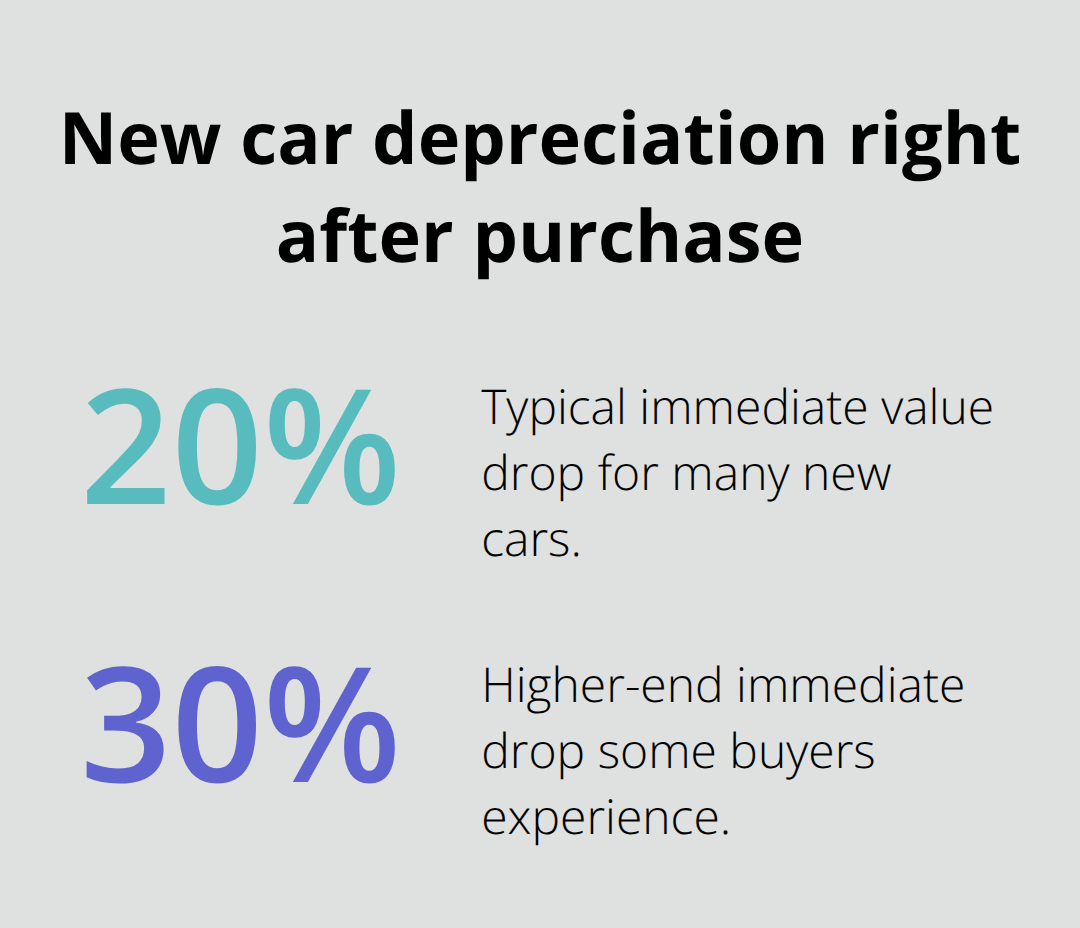
A single vehicle receives $1,000 in equity protection, with an additional $4,000 available through the wildcard exemption if you don’t claim homestead protection. Most financed vehicles have little equity anyway since new cars depreciate 20 to 30 percent immediately after purchase, meaning your car likely qualifies for full protection regardless. If you own multiple vehicles, each filer can claim separate exemptions for different cars, and married couples filing jointly double these protections for jointly owned vehicles.
Retirement Accounts and Income Benefits
Retirement accounts including 401(k)s, IRAs, 403(b)s, and pensions receive near-complete protection with a cap of approximately $1.7 million per person for cases filed between April 2025 and March 2028. Social Security, disability income, workers’ compensation, unemployment benefits, and veterans benefits remain entirely protected and cannot be touched. These income streams stay yours even after discharge, provided you keep them separate from non-exempt accounts.
Personal Property and Tools of Trade
Personal property such as furniture, appliances, electronics, clothing, and household goods stays protected up to $1,000 per category, or $4,000 if you skip the homestead exemption. Tools needed for your trade receive up to $1,000 protection, which matters significantly for self-employed filers. Life insurance cash surrender value and annuity proceeds remain exempt, along with health savings accounts and education savings plans.
Protecting Your Assets Through Proper Account Management
The key to maintaining these protections: keep exempt funds separate from non-exempt accounts. Commingling exempt benefits with other money can jeopardize their protected status, so maintain dedicated accounts for Social Security, disability payments, and workers’ compensation whenever possible. This separation becomes especially important during your bankruptcy filing and the months following discharge. Understanding which assets fall into which category requires careful analysis of your specific property against Florida’s exemption framework-analysis that determines what the trustee can and cannot claim from your estate.
Common Misconceptions About Florida Chapter 7 Exemptions
The False Belief That You Lose Everything
Most people walking into a bankruptcy filing fear the worst-case scenario: the court will seize their home, their car, their retirement savings, everything. This misconception stops many from filing when they desperately need relief. The reality differs sharply. Florida law protects far more than most filers realize, and the assets that remain yours often surprise people who finally understand the actual rules.
The homestead exemption alone shields unlimited home equity for owners who occupied the property for 1,215 days before filing. Your primary residence stays yours even if it’s worth $750,000 with $600,000 in equity. A car with minimal equity typically stays protected because most financed vehicles have little equity to begin with. Retirement accounts including 401(k)s and IRAs receive near-total protection with a cap around $1.7 million per person for filings between April 2025 and March 2028.
Social Security, disability benefits, workers’ compensation, and veterans benefits remain entirely yours. Personal property like furniture, electronics, and clothing stays protected up to $1,000 in value, or $4,000 if you forgo homestead protection. The trustee cannot touch these items. Thousands of Florida filers discharge their debts annually while keeping their homes, vehicles, retirement savings, and personal possessions intact.
Misidentifying Which Assets Actually Qualify for Protection
A widespread error involves misidentifying which assets actually qualify for protection. Filers often assume items have exemption coverage when they don’t, or conversely, believe something will be taken when Florida law explicitly shields it. A motorcycle worth $8,000 with a $3,000 loan presents a real example: the owner can protect $1,000 in equity, but the remaining $4,000 in non-exempt equity could theoretically be claimed by the trustee unless the wildcard exemption applies.
Many filers don’t know about the wildcard exemption available if they skip the homestead exemption, which allows an additional $4,000 in protection for any personal property. This single exemption can transform your filing strategy, especially for those with significant vehicle equity or valuable personal items beyond standard protections.
Timing Requirements That Trip Up Filers
Timing creates another layer of confusion. The 1,215-day ownership requirement for unlimited homestead protection trips up people who bought their home three years ago but didn’t maintain continuous Florida residency for the full period. Some filers also misunderstand the 730-day residency requirement needed to access Florida exemptions at all.
If you haven’t lived in Florida for at least 730 days before filing, you cannot use Florida’s protective framework and must rely on exemptions from your previous state, which may offer significantly weaker protections. These timing requirements aren’t negotiable, and getting them wrong means losing access to Florida’s generous exemption laws entirely. The difference between filing with proper exemption planning versus filing without understanding these rules can mean the difference between protecting $400,000 in home equity and losing it to the trustee.
Final Thoughts
Florida bankruptcy exemptions protect far more of your assets than most filers expect when they walk into a Chapter 7 filing. Your home equity receives unlimited protection if you meet the ownership timeline, your vehicles and retirement accounts remain off-limits to creditors, and your personal property stays yours within reasonable limits. These protections exist because Florida lawmakers designed exemptions to shield residents from financial devastation, not to punish them for seeking relief.
The gap between what people fear losing and what they actually keep represents the single biggest misconception about bankruptcy filing. Understanding this gap transforms the decision to file from terrifying to manageable, and you now know which assets qualify for protection, what timing requirements apply, and how to structure your accounts to maintain that protection. This knowledge determines whether you emerge from bankruptcy with your financial foundation intact or severely damaged.
We at Harnage Law, PLLC guide clients through exemption planning by analyzing your specific assets against Florida’s protective framework and help you identify which property qualifies for protection while ensuring you meet residency and ownership requirements. Contact us at https://chapter7florida.com to discuss how Florida bankruptcy exemptions apply to your specific circumstances and receive personalized guidance through every step of your Chapter 7 filing.