Chapter 7 bankruptcy offers a path to debt elimination for Florida residents struggling with overwhelming financial obligations. The process connects you with federal protections, state resources, and government assistance programs designed to support your recovery.
We at Harnage Law, PLLC understand that filing for bankruptcy feels overwhelming. This guide walks you through the government benefits available to you and how to maximize them during your case.
What Government Protections Activate When You File Chapter 7 in Florida
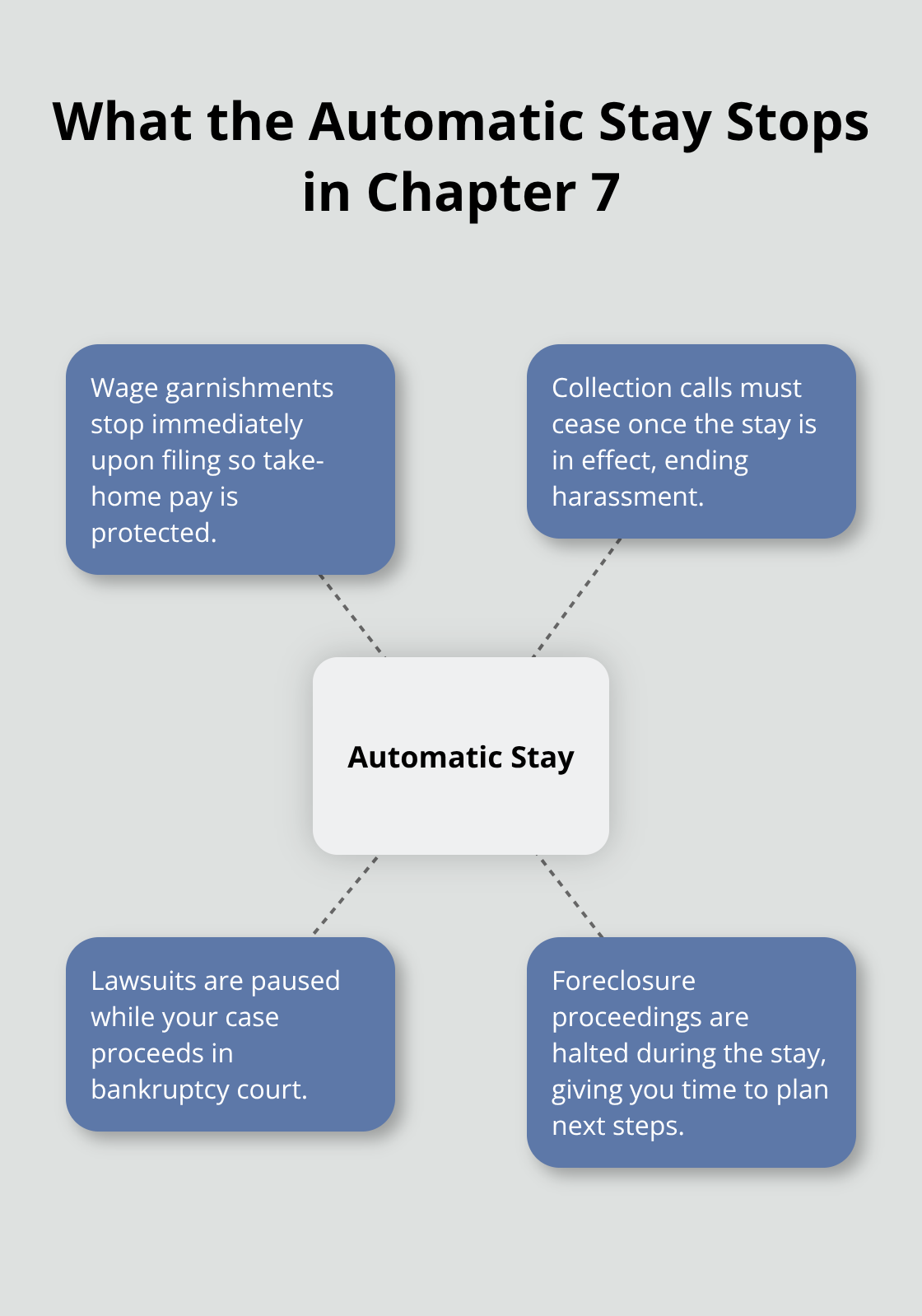
Filing Chapter 7 bankruptcy triggers immediate federal protections that stop creditors in their tracks. The automatic stay, a court order that takes effect the moment you file, halts wage garnishments, collection calls, lawsuits, and foreclosure proceedings. This protection applies to all unsecured debts like credit cards and medical bills, giving you breathing room to navigate the process.
Federal Exemptions Shield Your Essential Assets
Florida residents filing Chapter 7 gain access to federal exemptions that protect essential assets-your primary residence up to $27,900, vehicles up to $4,450, and household items up to $600 per item, according to current federal exemption limits. The trustee assigned to your case reviews your finances to identify nonexempt property, but many Florida filers find their assets fall within protected categories. If you own property exceeding exemption limits, you can negotiate with the trustee to retain it by paying cash or surrendering other nonexempt assets. The automatic stay remains in place throughout your case, typically lasting three to six months until discharge, which means creditors cannot pursue collection actions during this window.
Credit Counseling Establishes Your Financial Foundation
Before filing, you must complete credit counseling from an approved provider within six months of your petition date. This requirement provides practical training that identifies whether Chapter 7 truly fits your situation or whether Chapter 13 reorganization better serves your financial goals. The counseling covers budget management, debt negotiation alternatives, and realistic post-bankruptcy financial planning. After filing, you complete a financial management course to obtain your discharge, reinforcing habits that prevent future debt accumulation.
Government Resources and Nonprofit Support Remove Financial Barriers
Florida debtors who cannot afford private attorneys can access free or low-cost bankruptcy services through government-backed pro bono programs and nonprofit organizations. Upsolve, a 501(c)(3) legal aid organization, has helped over 400 individuals obtain Chapter 7 discharge at no cost. Their online platform guides you through the filing process, credit counseling requirements, and documentation needed for the trustee. State and local resources, including court-provided self-help materials and virtual bankruptcy clinics, offer guidance for those navigating the process independently or with limited legal support. These options (whether government-backed or nonprofit) ensure access to critical information regardless of your financial circumstances, setting the stage for understanding the specific filing requirements and documentation your case demands.
Filing, Means Testing, and the Trustee’s Role in Florida Chapter 7
Gathering Documentation for Your Petition
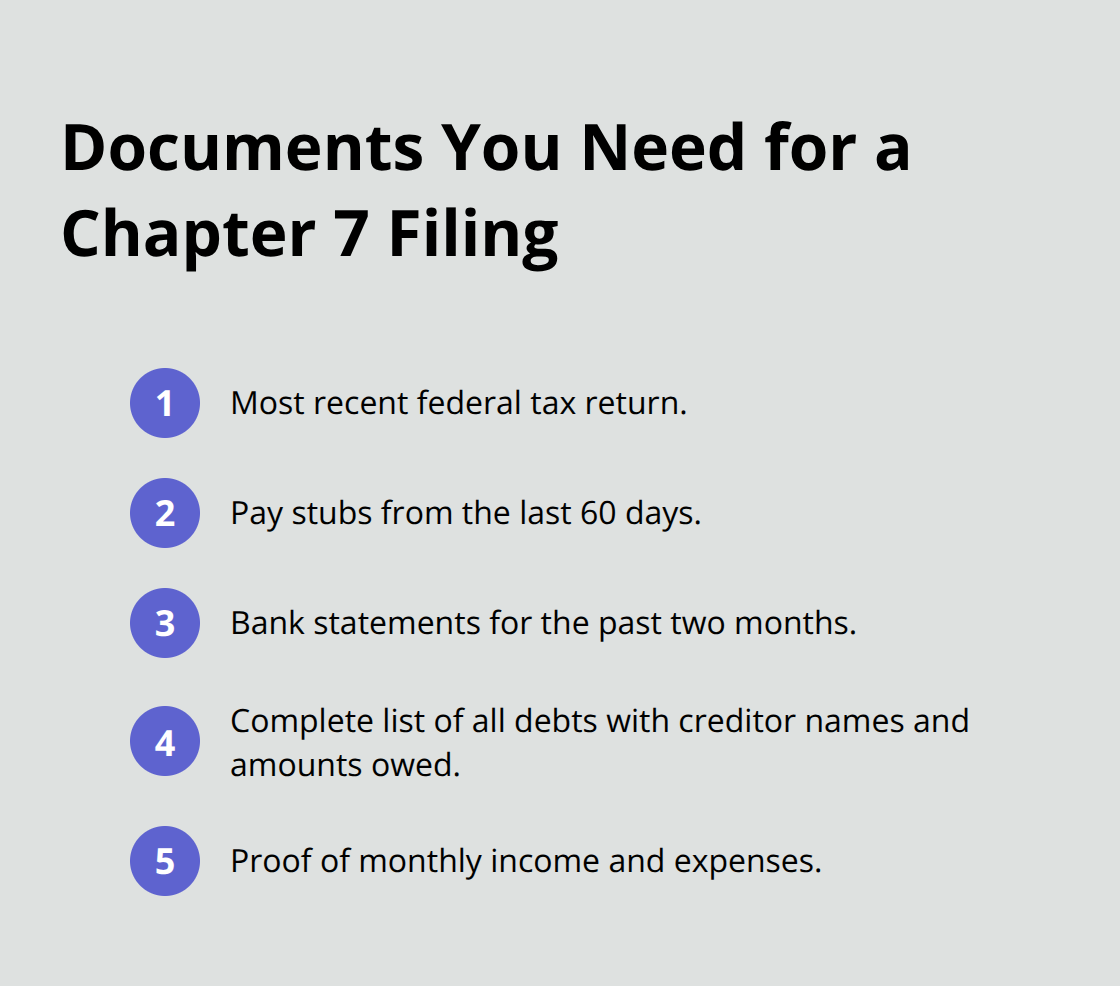
The Chapter 7 filing process demands specific documentation, and missing items delays your case or triggers dismissal. You need your most recent tax return, pay stubs from the last 60 days, bank statements covering the past two months, a list of all debts with creditor names and amounts owed, and proof of your monthly income and expenses. Start collecting these documents immediately after deciding to file-many filers underestimate how long this takes and submit incomplete petitions, which courts reject outright.
Understanding the Means Test and Income Thresholds
The court requires your financial information to calculate your means test, which determines whether your income falls below Florida’s median income threshold. For 2026, Florida’s median income sits at approximately $74,000 annually for a single filer and $96,000 for a family of four according to U.S. Trustee data. If your income exceeds these thresholds, the means test analyzes your expenses to determine whether you have disposable income; if you do, you may not qualify for Chapter 7 and Chapter 13 becomes your alternative.
Completing Your Petition Accurately
The petition itself contains multiple schedules detailing your assets, debts, income, and expenses-accuracy matters because false statements constitute fraud and can result in case dismissal or criminal charges. You must provide complete and truthful information on every page. Courts take petition accuracy seriously, and incomplete or misleading filings create serious legal consequences.
Meeting the Trustee and Attending the 341 Meeting
The trustee assigned to your case reviews your petition within days and schedules the 341 meeting, typically held within 21 to 35 days of filing. This meeting occurs under oath, and the trustee questions you about your finances, employment, assets, and debts. The meeting usually lasts 10 to 15 minutes, and creditors rarely attend despite having the legal right to do so.
The trustee’s role involves identifying nonexempt property to liquidate for creditors, but most Chapter 7 cases involve no asset recovery because filers’ possessions fall within Florida exemptions. If the trustee identifies nonexempt assets, you can negotiate to keep property by paying its value in cash or surrendering other items instead. Courts dismiss cases when filers fail to appear at the 341 meeting, skip credit counseling or financial management courses, or provide incomplete documentation.
Completing Your Course and Reaching Discharge
After the 341 meeting, you complete your financial management course, and the court typically discharges your case within three to six months total from filing. The trustee’s involvement ends once discharge occurs and your case closes, allowing you to move forward without collection actions on discharged debts. Self-filers using resources like Upsolve or court self-help clinics can navigate the process successfully if they follow procedures carefully, though working with a bankruptcy attorney prevents common pitfalls. Understanding what happens after discharge-including how to rebuild your credit and access hardship programs-shapes your financial recovery strategy moving forward.
Protecting Your Assets and Rebuilding After Discharge in Florida
Understanding Asset Protection Through Federal Exemptions
Florida Chapter 7 filers often misunderstand what happens to their assets during bankruptcy, which causes them to file late or avoid filing altogether. Federal exemptions protect your primary residence up to $27,900, vehicles up to $4,450, and household furnishings up to $600 per item according to current limits set by the U.S. Trustee. Florida also allows additional homestead exemptions that shield significant home equity, making your residence one of your strongest protected assets. The trustee identifies nonexempt property, but most Chapter 7 cases involve zero asset liquidation because filers’ possessions fall comfortably within exemption limits.
Negotiating to Keep Nonexempt Property
If the trustee identifies nonexempt assets-perhaps a second vehicle or valuable collectibles-you retain substantial negotiating power. You can pay the trustee the asset’s current value in cash to keep it, or you can surrender lower-value items instead and preserve what matters most. This negotiation happens before the 341 meeting, which gives you time to plan which assets you prioritize. Secured debts like mortgages and car loans work differently than unsecured debts; you can reaffirm these debts to keep the property, meaning you continue making payments after discharge. Reaffirmation requires a court hearing if you lack counsel, but courts examine these agreements carefully to prevent debtors from overextending themselves post-bankruptcy. Most filers mistakenly believe Chapter 7 strips all their possessions-this simply does not happen for most people filing in Florida.
Rebuilding Credit After Discharge
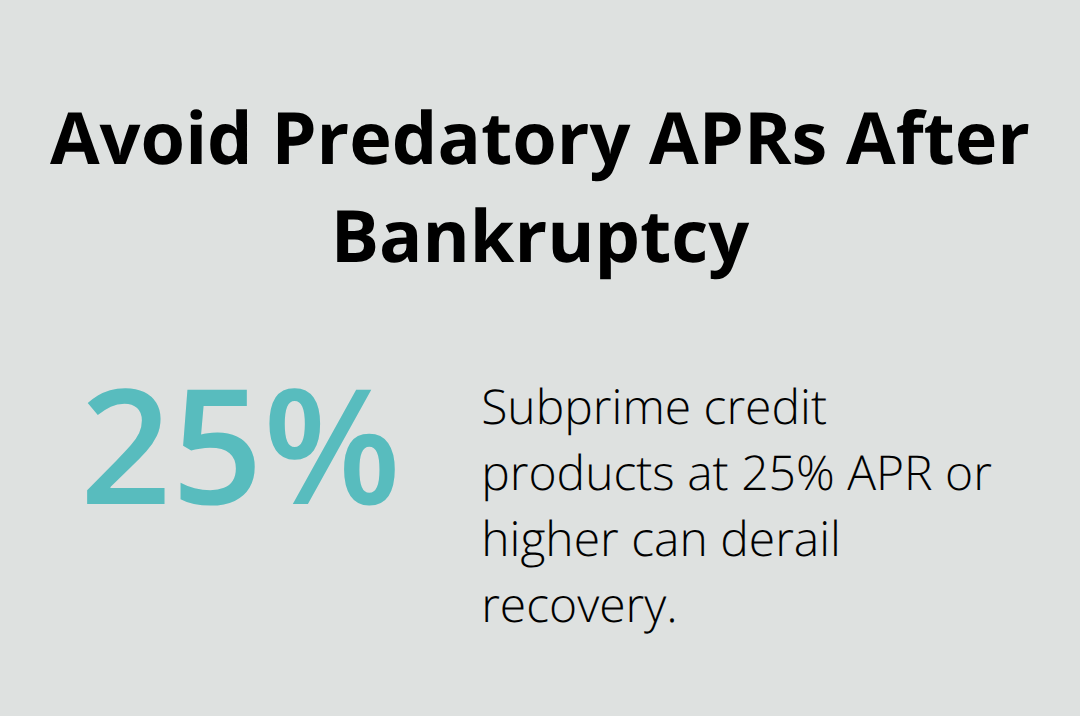
After discharge, your credit rebuilding starts immediately, and federal law prohibits creditors from pursuing discharged debts regardless of collection pressure. Credit scores typically drop 130 to 200 points upon discharge according to Fair Isaac Corporation data, but secured credit cards and authorized user accounts on healthy accounts accelerate recovery within 12 to 24 months. Avoid predatory lenders offering subprime credit products at 25 percent or higher interest rates; instead, apply for a secured card requiring a deposit equal to your credit limit, which builds credit history without excessive costs.
Your credit report shows the bankruptcy for seven to ten years, but lenders increasingly overlook older bankruptcies, particularly if you demonstrate consistent on-time payments afterward.
Accessing Hardship Programs and Loan Modifications
Some federal hardship programs allow mortgage modifications and loan forbearance for those struggling post-discharge, though these programs require documented financial hardship and timely applications. Contact your lender directly within 30 days of missing a payment to explore options before foreclosure proceedings begin. These programs (available through most major lenders) provide relief without additional debt accumulation. Your lender’s loss mitigation department handles these requests and can explain which options fit your situation.
Creating a Sustainable Financial Plan
Rebuilding means living within your means, eliminating unnecessary expenses, and creating a realistic budget that prevents future debt accumulation. The financial management course completed before discharge provides foundational skills, but discipline determines whether you maintain financial stability long-term. Track your spending monthly, adjust your budget as your income changes, and avoid the credit patterns that led to your initial financial crisis. Your fresh start after Chapter 7 discharge depends on the financial habits you establish in the months following your case closure.
Final Thoughts
Chapter 7 bankruptcy in Florida provides a legitimate pathway to debt elimination when you understand the process and leverage available resources. The automatic stay stops creditor harassment immediately, federal exemptions protect your essential assets, and government-backed programs remove financial barriers regardless of your income level. Your means test determines eligibility, the trustee reviews your finances fairly, and discharge typically arrives within three to six months of filing.
Credit counseling before filing clarifies whether Chapter 7 fits your situation or whether Chapter 13 reorganization serves you better. Financial management courses after filing establish habits that prevent future debt accumulation. Nonprofit organizations like Upsolve offer free online platforms for those who cannot afford private counsel, while court-provided self-help materials and virtual bankruptcy clinics guide independent filers through documentation and filing procedures.
Secured credit cards rebuild your credit score within 12 to 24 months without predatory interest rates, and mortgage modifications provide relief if you struggle after discharge. We at Harnage Law, PLLC guide Florida residents through every step of the Chapter 7 process, stopping creditor harassment and protecting your assets while you work toward discharge. Contact us today to discuss your options and begin your path toward financial recovery.