
Debt collectors in Florida use aggressive tactics-constant calls, threats of wage garnishment, and lawsuits-to pressure you into paying. These harassment campaigns can feel relentless and inescapable.
Chapter 7 bankruptcy offers real Chapter Seven creditor protection by stopping collection activities immediately. At Harnage Law, PLLC, we help Florida residents use this legal tool to reclaim their financial stability and peace of mind.
How Creditors Harass Debtors in Florida
The Profit Motive Behind Relentless Contact
Debt collectors in Florida operate with calculated aggression because the financial incentives are substantial. When a debt goes unpaid, third-party collectors purchase it for pennies on the dollar and keep everything they recover, creating a profit motive for relentless contact. The Florida Consumer Collection Practices Act prohibits calls before 8 a.m. or after 9 p.m., yet collectors routinely violate this rule because the penalties-up to $1,000 per violation under Florida law-feel negligible compared to successful collections.
Multiple Daily Contacts and Autodialer Tactics
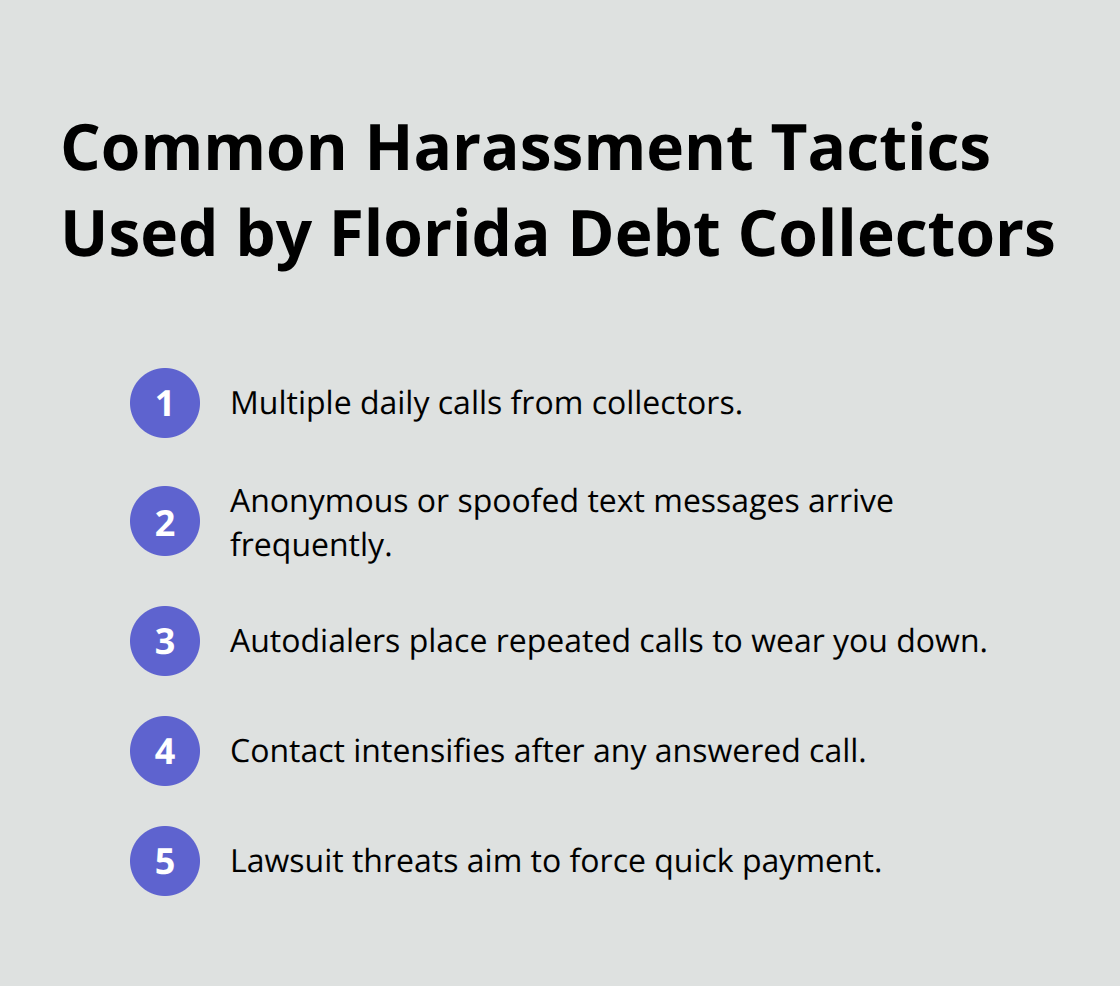
Phone calls escalate quickly into multiple daily contacts. Text messages arrive without warning, often from unknown numbers designed to bypass your instinct to ignore them. Collectors use autodialer technology to contact you repeatedly, knowing that persistence wears down resistance. If you answer once, they log it as a successful contact and intensify their efforts.
Pressure Through Third-Party Contact
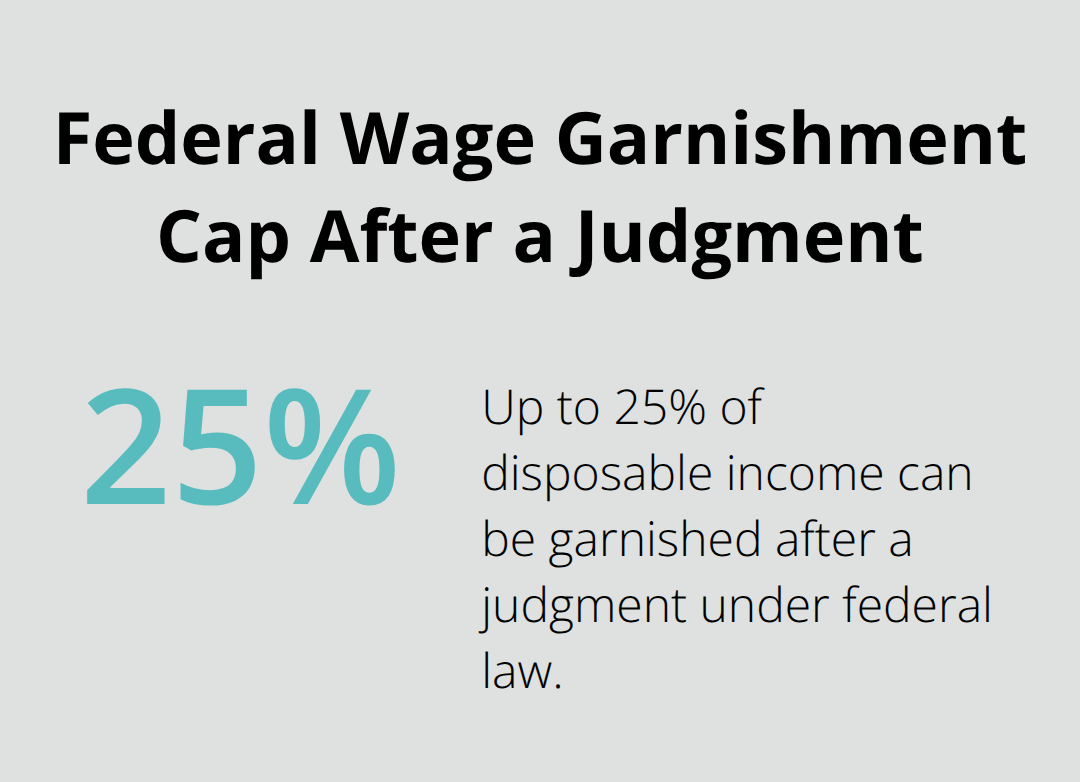
Many collectors deliberately contact your employer, neighbors, or family members to create social pressure, even though Florida law restricts this practice. They threaten wage garnishment aggressively, claiming they can seize 25 percent of your paycheck immediately-a threat that feels credible because it’s partially true under federal law, which caps garnishment at 25 percent of disposable income or the amount exceeding 30 times the federal minimum wage, whichever is lower.
Lawsuits and Default Judgments
Lawsuits arrive as official-looking documents designed to intimidate. Collectors file in small claims or civil court knowing that many debtors won’t respond, allowing them to win by default and then pursue wage garnishment or asset seizure. The threat of losing your home or car feels imminent and real because, without legal intervention, it can happen.
Why Collectors Calculate Risk as Acceptable
Collectors operate in a gray zone where violations are common but consequences are rare. They know most debtors won’t hire an attorney to fight back, so they calculate the risk as acceptable. Florida residents facing this pressure often feel trapped between impossible choices: pay debts they cannot afford or watch their wages and assets disappear. The aggression intensifies when economic conditions tighten, as collectors recognize desperation and exploit it. Understanding these tactics reveals that you possess legal defenses available-including protections that stop creditor harassment instantly through Chapter 7 bankruptcy.
How Chapter 7 Stops Creditor Harassment Instantly
The Automatic Stay Creates Immediate Legal Protection
Filing Chapter 7 bankruptcy triggers an automatic stay under 11 U.S.C. §362, which halts all collection activities the moment your case reaches the court. This is not a request or negotiation-it is a federal court order that creditors must obey immediately. Phone calls stop. Letters stop. Lawsuits stop. Wage garnishments stop. Asset seizures stop. Collectors who violate the automatic stay face penalties of actual damages, statutory damages up to $1,000 per violation, and your attorney’s fees. This legal mechanism transforms your position from powerless debtor to protected filer within hours, not days or weeks. The stay applies to third-party collectors, original creditors, and even government agencies pursuing certain debts, creating comprehensive protection across all fronts of collection pressure.
Halting Lawsuits and Post-Judgment Collection
The automatic stay also halts pending lawsuits where collectors pursue judgments against you. If a lawsuit is already filed and a default judgment has been entered, filing Chapter 7 stops post-judgment collection efforts like wage garnishment and bank levies. This protection proves particularly valuable because once a judgment exists, collectors can seize 25 percent of your disposable income or the amount exceeding 30 times the federal minimum wage, whichever is lower, without additional court hearings. Chapter 7 filing interrupts this trajectory entirely.
Debt Discharge Eliminates Collection Rights
Debts that qualify for discharge under Chapter 7 are eliminated completely, meaning creditors lose their legal right to collect those amounts. Unsecured debts like credit cards, medical bills, personal loans, and collection accounts typically discharge in four to six months. Secured debts like mortgages and car loans may be handled through redemption or surrender, depending on your situation.
Asset Protection Preserves Your Financial Foundation
Protected assets including your primary residence (up to the homestead exemption amount), retirement accounts like 401k and IRA funds, essential personal property, and tools of your trade remain in your possession even as debts are eliminated. Florida law provides generous exemptions that allow you to retain your home equity and other critical assets while discharging qualifying debts. This combination of debt elimination and asset protection makes Chapter 7 a realistic path to financial recovery rather than complete loss. Understanding how these protections work together reveals why filing Chapter 7 represents a turning point-one that shifts control back to you and away from aggressive collectors pursuing relentless collection tactics.
How Chapter 7 Stops Creditor Harassment
The Automatic Stay Becomes Federal Law
The moment you file Chapter 7 bankruptcy in Florida, the automatic stay under 11 U.S.C. §362 becomes a federal court order that creditors must obey immediately. This is not a suggestion or a negotiation tactic-it is enforceable law. Creditors who violate the automatic stay face actual damages, statutory damages up to $1,000 per violation, and your attorney’s fees. A debt collector calling you after receiving notice of your bankruptcy filing commits a federal violation. The same applies to collectors attempting wage garnishment, pursuing lawsuits, or seizing bank accounts.
Dual Protection Under Federal and Florida Law
Florida law under the Florida Consumer Collection Practices Act adds another layer of protection, allowing you to sue violators for up to $1,000 in statutory damages plus actual damages and attorney’s fees within two years of the violation. This dual protection-federal and state-makes the automatic stay one of the most powerful legal tools available to stop harassment. Collectors operating in Florida know this law exists, which is why many immediately cease contact once they receive formal notice of your bankruptcy filing from the court.
All Collection Activities Stop Simultaneously
The practical reality is that creditors must stop all collection activities once your case is filed, regardless of whether they have an outstanding judgment against you. If a lawsuit is pending, it pauses. If a wage garnishment is active, it stops. If bank levies are threatened, they cannot proceed.
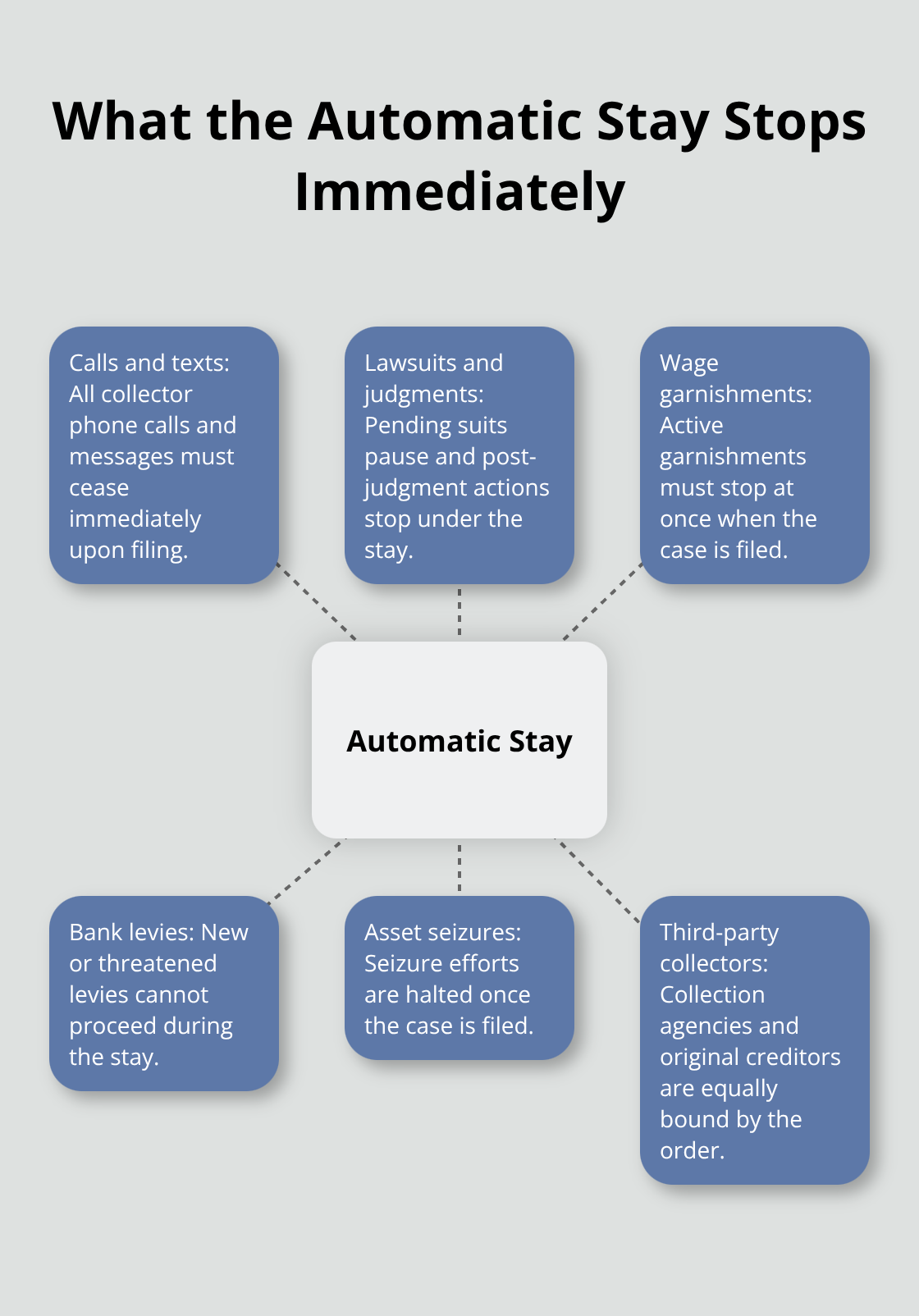
The automatic stay halts everything simultaneously across all creditors and collection agencies pursuing you (including third-party collectors, original creditors, and certain government agencies).
Professional Management of Creditor Communications
When you work with a bankruptcy attorney, that attorney handles all communication with creditors on your behalf, which means you no longer field harassing calls or threatening letters. Instead, creditors direct their inquiries to your legal representative, and your attorney manages the legal process while you focus on rebuilding your financial foundation. This shift eliminates the stress of direct confrontation and ensures that every creditor interaction follows proper legal procedures.
Permanent Elimination of Qualifying Debts
Debts that qualify for discharge are eliminated completely within four to six months, meaning creditors permanently lose their right to collect those amounts. Unsecured debts like credit cards, medical bills, personal loans, and collection accounts typically qualify for discharge. This combination of immediate harassment cessation and eventual debt elimination transforms your financial position from one of desperation to one of legal protection and recovery.
Final Thoughts
Chapter 7 bankruptcy stops all collection activities immediately through the automatic stay, and qualifying debts disappear within months. This combination of instant legal protection and permanent debt discharge transforms your financial position from desperation to stability. Florida residents facing aggressive collectors possess legitimate options that prevent further financial damage from accumulating month after month.
Taking action now halts the downward spiral that intensifies when collection efforts continue unchecked. Each delay means additional calls, potential wage garnishments, asset seizures, and mounting stress that compounds your situation. Chapter Seven creditor protection through bankruptcy provides a realistic path forward that stops harassment and protects your essential assets.
We at Harnage Law, PLLC help individuals and families overcome financial challenges through the Chapter 7 process. Contact us for a free consultation to discuss your situation and determine whether Chapter 7 bankruptcy fits your circumstances. Visit Harnage Law, PLLC to learn more about how we can help you reclaim your financial future.
