At Harnage Law, PLLC, we often hear the question: “How bad is it to file for bankruptcy?” The truth is, bankruptcy in Florida isn’t as dire as many people think.
This blog post will challenge common misconceptions, highlight the potential benefits, and show you how bankruptcy can offer a fresh start for Floridians facing financial hardship.
We’ll also explore life after bankruptcy and why it might be a smart choice for your financial future.
Busting Bankruptcy Myths in Florida
Bankruptcy in Florida often sparks fear and hesitation due to widespread misconceptions. Let’s clear up some common myths and reveal the realities of filing for bankruptcy in the Sunshine State.
The Truth About Credit Scores
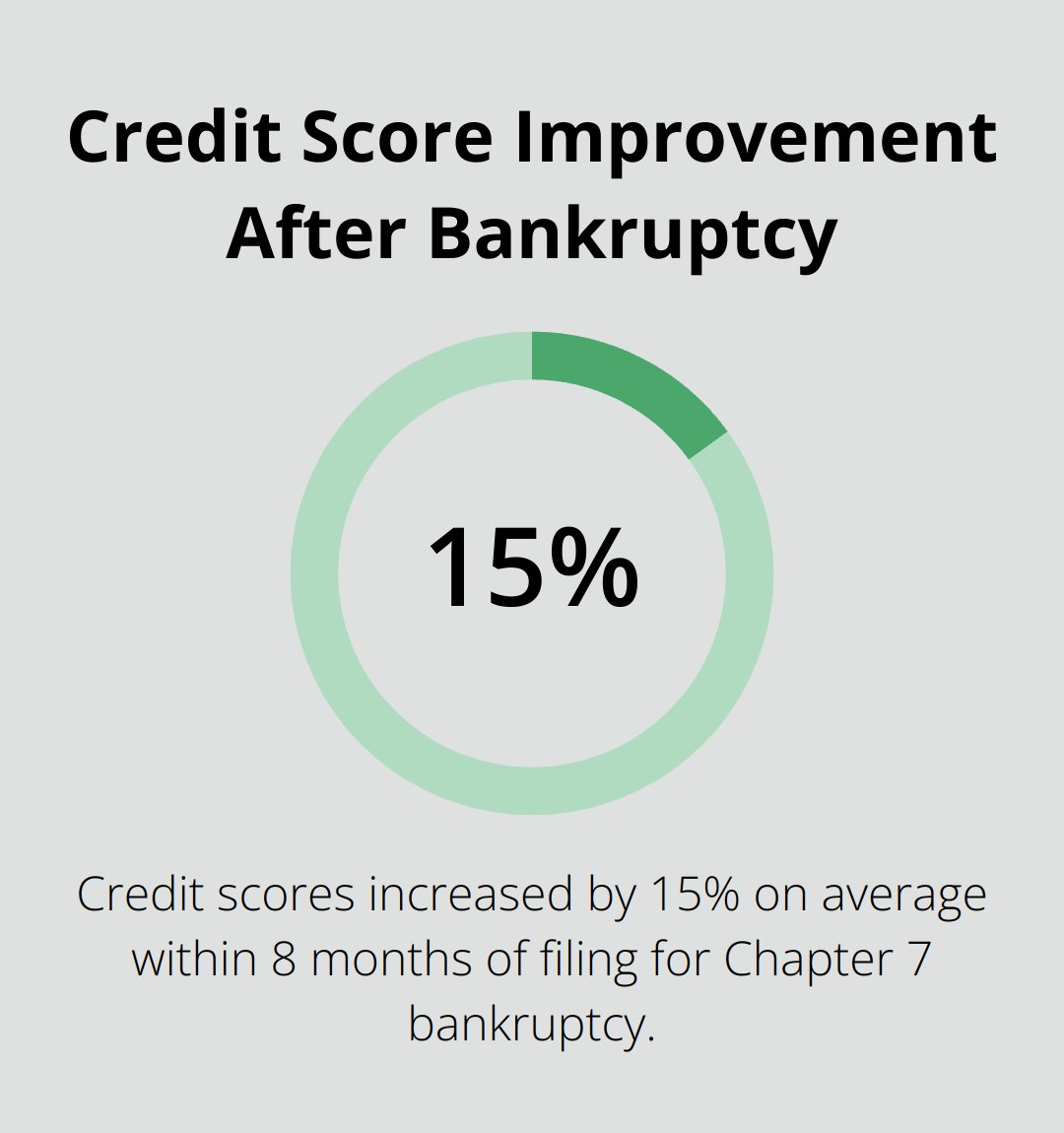
Many Floridians believe bankruptcy will permanently ruin their credit. However, this fear is largely unfounded. The U.S. Federal Reserve Bank of Philadelphia discovered that the average credit score for Chapter 7 bankruptcy filers increased from 538.2 to 620.3 within just eight months of filing. This rapid improvement demonstrates that credit recovery can start sooner than most people expect.
Asset Protection in Florida
Florida’s bankruptcy laws offer more generous asset protection compared to many other states. The state’s unlimited homestead exemption (a unique feature of Florida’s bankruptcy code) allows many filers to keep their primary residence, regardless of its value. This significant advantage sets Florida apart from states with limited homestead exemptions.
Life After Bankruptcy
Contrary to popular belief, life after bankruptcy can lead to financial stability and even prosperity. Many individuals who file for bankruptcy obtain credit cards, car loans, and mortgages within a few years of filing. The key lies in using the fresh start wisely and rebuilding credit responsibly.
The Bankruptcy Process
Another common myth is that the bankruptcy process is long and complicated. In reality, Chapter 7 bankruptcy (the most common type for individuals) typically takes only 3-4 months from filing to discharge. With proper guidance, the process can be straightforward and relatively quick.
The Impact on Employment
Many people worry that filing for bankruptcy will cost them their job or prevent future employment. However, the U.S. Bankruptcy Code prohibits employers from discriminating against individuals solely because they filed for bankruptcy. This protection helps ensure that bankruptcy filers can continue their careers without undue prejudice.
Bankruptcy laws aim to give honest debtors a fresh start, not to punish them. Understanding these realities can help you make an informed decision about your financial future. As we move forward, let’s explore the positive aspects of filing for bankruptcy in Florida and how it can provide a path to financial recovery.
How Bankruptcy Can Benefit You in Florida
Filing for bankruptcy in Florida offers powerful tools for financial recovery. Let’s explore the advantages that make bankruptcy a viable option for many Floridians.
Immediate Debt Relief
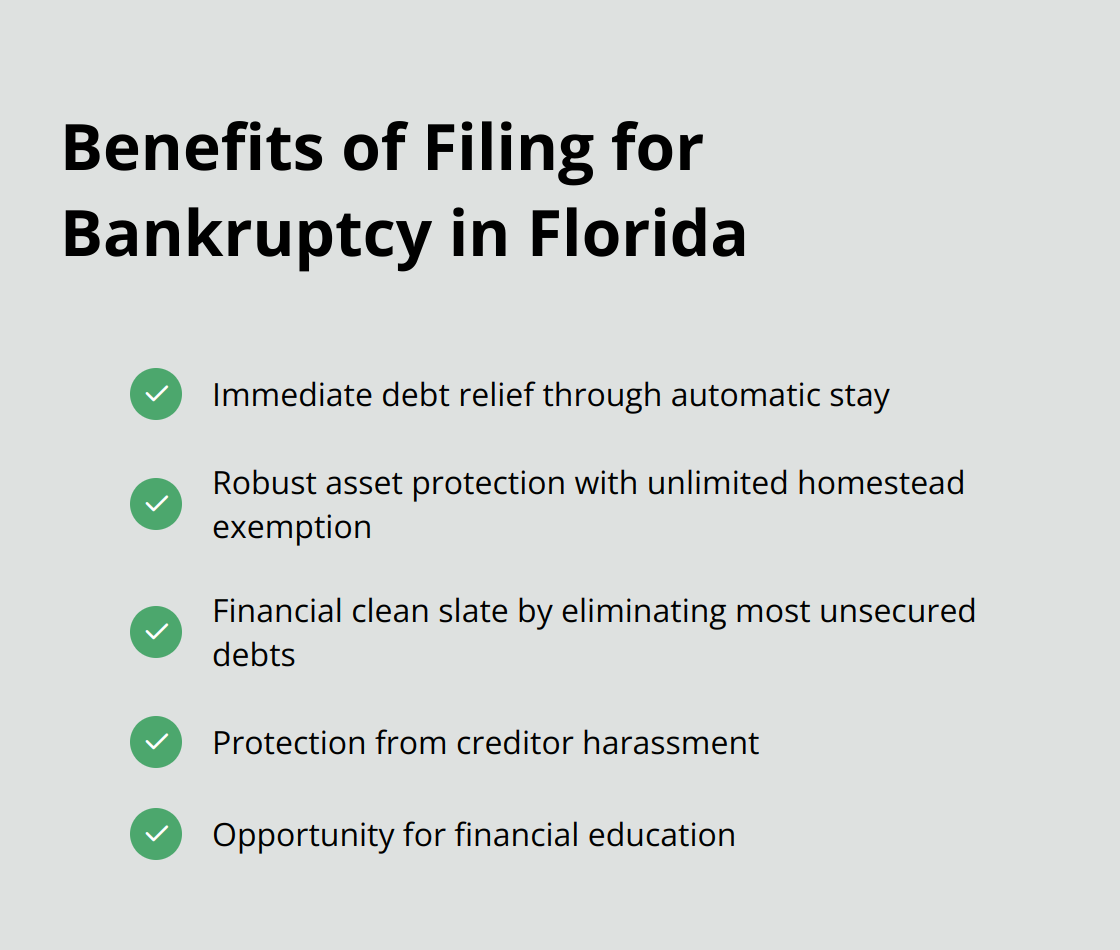
The moment you file for bankruptcy, an automatic stay takes effect. This legal protection stops most collection activities, including foreclosures, repossessions, and wage garnishments. The U.S. Bankruptcy Court confirms that this stay provides instant relief, allowing you to focus on your financial future without constant pressure from creditors.
Robust Asset Protection
Florida’s bankruptcy laws stand out for their generous asset protection. The state’s unlimited homestead exemption (a unique feature) allows you to keep your home, regardless of its value, if you’ve owned it for at least 1,215 days before filing. Florida also permits you to retain up to $1,000 in personal property and $1,000 in vehicle equity. These exemptions can significantly impact your post-bankruptcy life.
Financial Clean Slate
Chapter 7 bankruptcy can eliminate most unsecured debts in as little as 3-4 months. This includes credit card balances, medical bills, and personal loans. The Federal Reserve Bank of New York reported that the average American household carried $5,315 in credit card debt in 2023. Imagine this burden lifted, freeing up your income for savings and future financial goals.
Protection from Creditor Harassment
Bankruptcy puts an end to creditor harassment. Once you file, creditors must cease all communication with you. This protection extends to phone calls, letters, and any other form of contact. The peace of mind this brings can be invaluable as you work to rebuild your financial life.
Opportunity for Financial Education
Many bankruptcy courts require debtors to complete financial management courses. While this might seem like a burden, it’s actually a valuable opportunity. These courses teach essential skills for budgeting, managing credit, and avoiding future financial pitfalls. The knowledge gained can set you up for long-term financial success.
As we move forward, let’s examine how life after bankruptcy in Florida can lead to new opportunities and financial stability. The fresh start provided by bankruptcy often serves as a springboard for rebuilding credit and achieving long-term financial goals.
Life After Bankruptcy in Florida: A New Financial Beginning
Rapid Credit Score Recovery
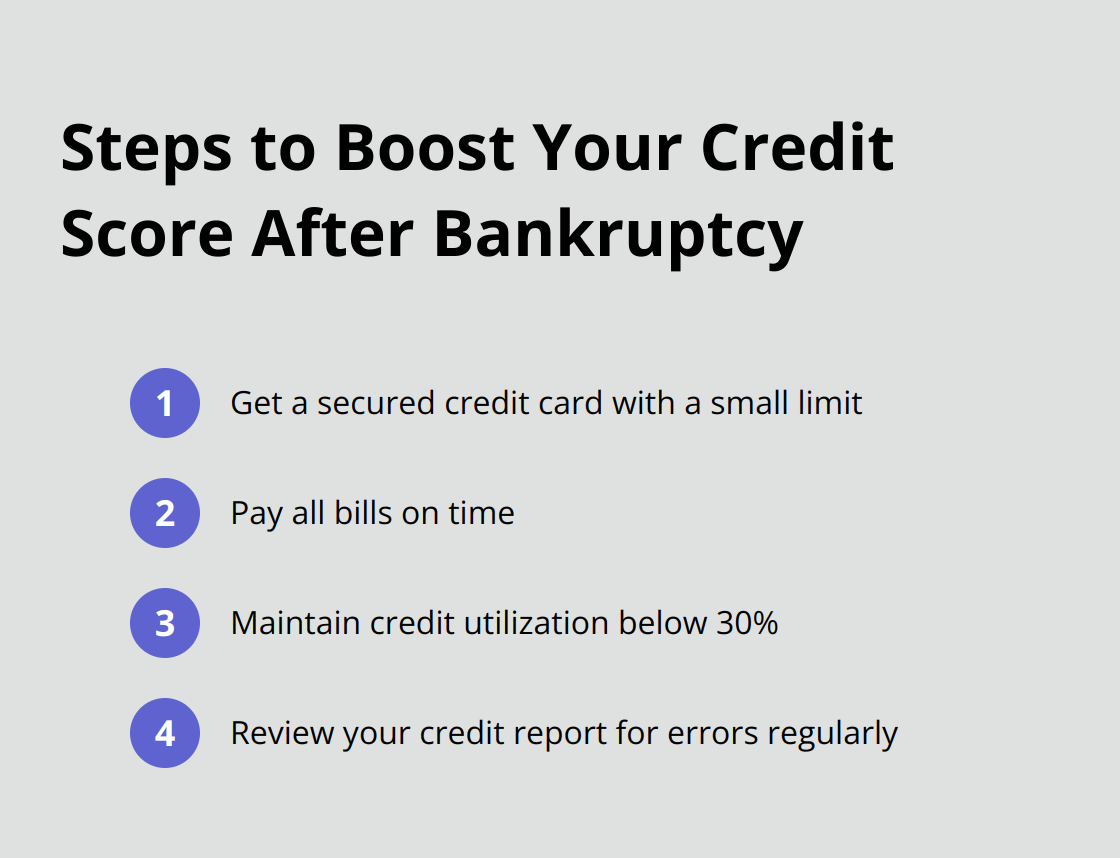
Bankruptcy in Florida doesn’t spell doom for your credit score. The Federal Reserve Bank of New York’s study reveals that bankruptcy filers’ credit scores increase by an average of 80 points within six months of filing. To boost your credit score:
Financial Education for Long-Term Success
Florida bankruptcy courts require debtors to complete financial management courses. These courses prove invaluable for your future. The U.S. Trustee Program reports that 97% of participants find these courses helpful in managing their post-bankruptcy finances.
The Florida Financial Literacy Council offers free workshops and online tools to help you budget, save, and invest wisely. Take advantage of these resources to solidify your financial foundation.
Exploring New Career Paths
Bankruptcy can open doors to unexpected career opportunities. The Small Business Administration (SBA) notes that many successful entrepreneurs started their businesses after filing for bankruptcy. Florida’s business-friendly environment makes it an ideal place for a fresh start.
Florida’s growing industries like healthcare, technology, and tourism offer promising prospects for those looking to rebuild their finances post-bankruptcy. These sectors often welcome individuals with diverse backgrounds and experiences.
Asset Protection and Future Planning
Florida’s generous bankruptcy exemptions (including the unlimited homestead exemption) allow many filers to retain significant assets. This protection provides a solid foundation for future financial planning.
Use this opportunity to reassess your financial goals and create a sustainable long-term plan. Consider consulting with a financial advisor to maximize your post-bankruptcy financial potential.
Embracing a Debt-Free Lifestyle
Life after bankruptcy offers a chance to adopt new financial habits. Many individuals find that the absence of overwhelming debt allows them to focus on saving and investing for the future.
Try to build an emergency fund, contribute to retirement accounts, and explore low-risk investment options. These steps can help secure your financial future and prevent future financial distress.
Final Thoughts
Filing for bankruptcy in Florida offers more advantages than many people realize. The state’s generous exemptions, including the unlimited homestead exemption, provide significant asset protection. The automatic stay offers immediate relief from creditor harassment, while the discharge of qualifying debts creates a fresh financial slate.
Life after bankruptcy in Florida can lead to rapid credit score recovery and new career opportunities. Many Floridians find that bankruptcy serves as a springboard for rebuilding credit and achieving future financial goals. The required financial management courses equip individuals with valuable skills for long-term financial success.
How bad is it to file for bankruptcy? The answer depends on individual circumstances, but for many, it’s not as detrimental as they fear. At Harnage Law, PLLC, we provide compassionate legal services to those facing financial hardship (specializing in Chapter 7 bankruptcy). We help protect your assets, stop creditor harassment, and rebuild your financial future.