Many Florida homeowners wonder “will I lose my home if I file bankruptcy?” The answer depends on understanding your state’s powerful homestead protection laws.
Florida offers some of the strongest home protection benefits in the nation. We at Harnage Law, PLLC see clients successfully keep their homes through Chapter 7 bankruptcy when they follow the right strategies.
What Makes Florida’s Homestead Exemption So Powerful
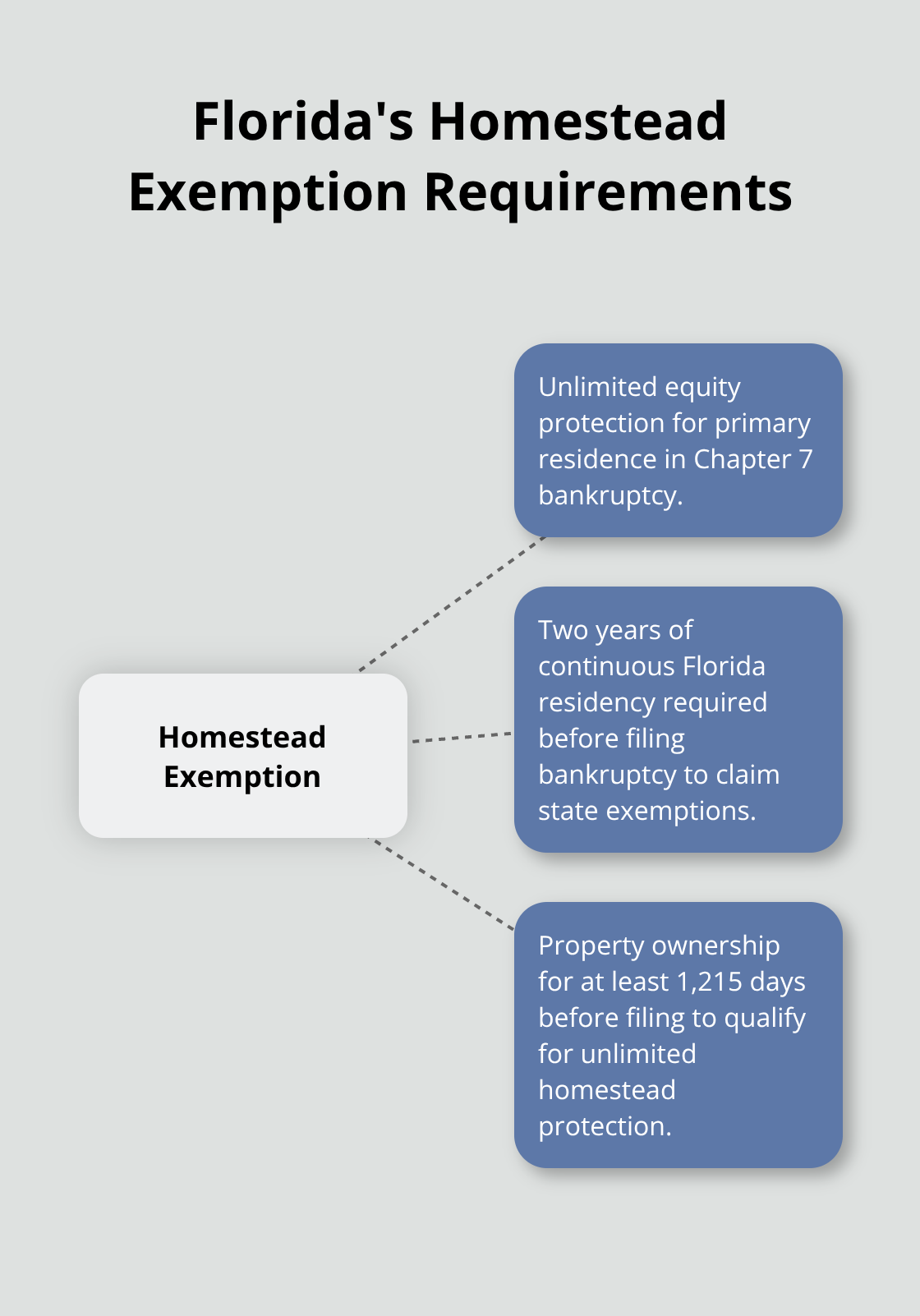
Florida homestead exemption stands as one of the most protective laws in America. This law allows homeowners to shield unlimited equity in their primary residence during Chapter 7 bankruptcy. A homeowner with $500,000 in equity receives the same protection as someone with $50,000 in equity. The law applies to properties up to half an acre in municipalities or 160 acres in rural areas, with no dollar limit on the exemption amount according to Florida Statutes Section 222.01.
Meeting the Residency and Ownership Requirements
Florida requires two years of continuous residency before you file bankruptcy to claim state exemptions. Additionally, homeowners must own their property for at least 1,215 days before they file to qualify for unlimited homestead protection. Those who owned their home for less than 1,215 days can still protect up to $170,350 in equity. The property must serve as your primary residence, not a vacation home or investment property. You must use federal exemptions if you file bankruptcy without these requirements (which cap homestead protection at much lower amounts).
How Chapter 7 Trustees Handle Homestead Properties
Chapter 7 trustees cannot liquidate properly exempted homestead property, which makes Florida one of the most debtor-friendly states for homeowners. The trustee will verify your exemption claim when they review property records, tax documents, and residency proof. Properties with equity below exemption limits typically receive no trustee attention. However, trustees will scrutinize recent transfers or attempts to convert non-exempt assets into homestead equity within the four years before you file. Most Florida homeowners in Chapter 7 cases keep their homes when they stay current on mortgage payments and properly claim their exemptions on Schedule C.
Common Homestead Protection Pitfalls
Several factors can undermine your homestead protection despite Florida’s generous laws. Recent property purchases within 1,215 days before you file limit your exemption to $170,350 regardless of actual equity. Property transfers between spouses or family members within two years of bankruptcy face trustee scrutiny for fraudulent conveyance. Mixed-use properties that combine residential and business purposes may lose partial homestead protection. These complications require careful planning to protect your home effectively while you prepare for the next phase of asset protection strategies.
How Can You Actively Protect Your Home During Bankruptcy
Mortgage Reaffirmation Secures Your Payment Path
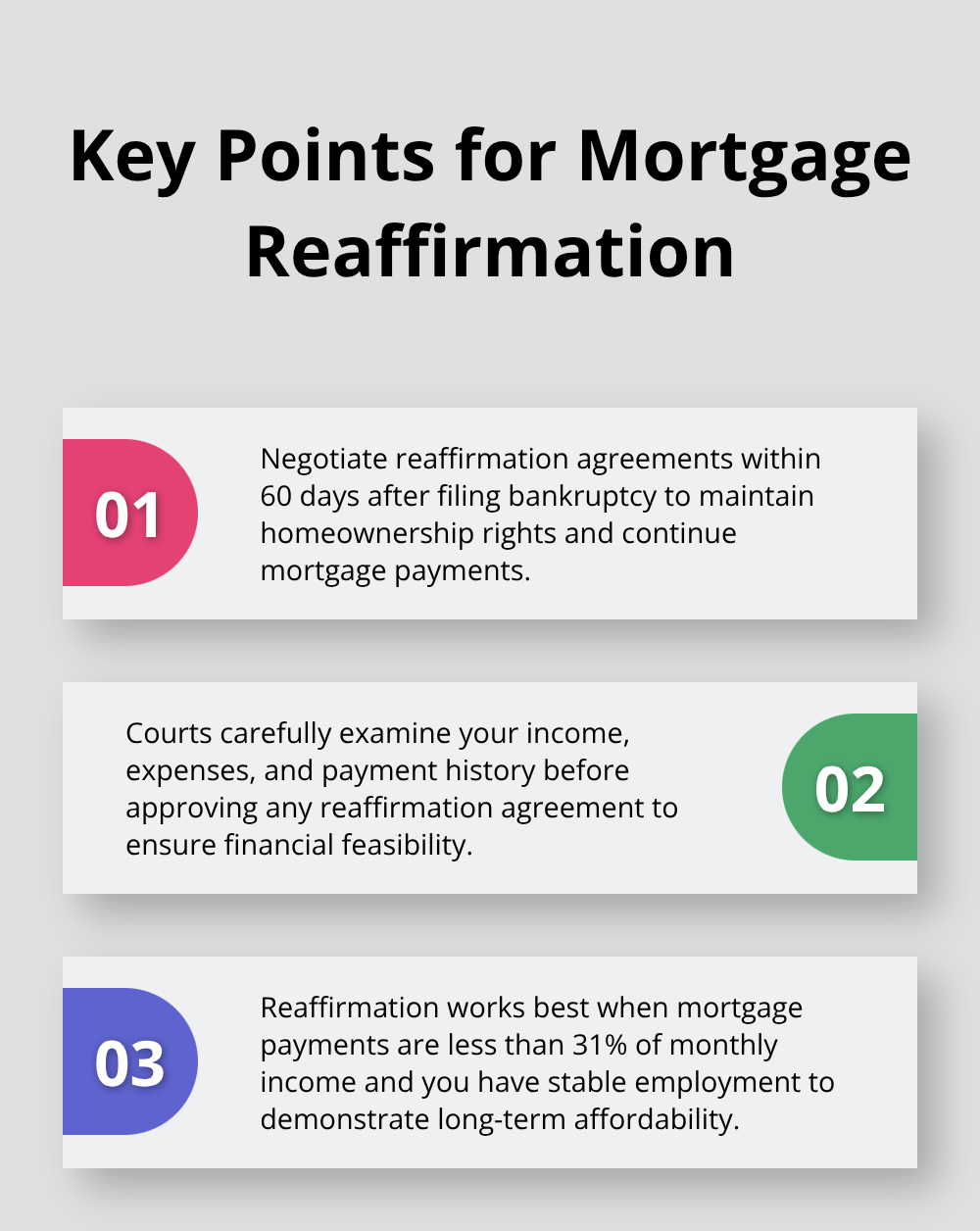
Mortgage reaffirmation agreements represent the most direct strategy to maintain homeownership through Chapter 7 bankruptcy. These legal contracts allow you to keep your mortgage debt active after discharge, which means you continue monthly payments and retain all ownership rights. Florida homeowners who stay current on payments can typically negotiate reaffirmation terms with their lender within 60 days after they file. The agreement must pass court approval based on your ability to afford payments without financial hardship.
Reaffirmation works best when your mortgage payment represents less than 31% of your monthly income and you have stable employment. Without reaffirmation, lenders can foreclose even if you make payments, since the debt gets discharged and no legal obligation remains. Courts examine your income, expenses, and payment history before they approve any reaffirmation agreement.
Strategic Asset Conversion Maximizes Homestead Protection
Florida law permits homeowners to use cash, investment accounts, or other liquid assets to pay down mortgage principal before they file bankruptcy. This strategy converts non-exempt assets into protected homestead equity, but requires careful documentation to avoid fraudulent transfer claims. The conversion must serve legitimate purposes beyond bankruptcy planning to withstand court challenges.
Home improvements that increase property value also convert non-exempt cash into protected equity, though luxury upgrades may trigger trustee objections. Transactions within 1,215 days face intense trustee scrutiny under Florida’s lookback provisions. Complete major asset conversions at least 18 months before you file to establish clear intent and avoid preference payment issues.
Optimal Timing Strategies for Maximum Protection
Tax refunds, bonuses, or asset sales create opportunities to redirect funds toward mortgage reduction rather than lose them to creditors. Florida homeowners can time their bankruptcy filing around these windfalls to maximize homestead protection. The four-year lookback period allows strategic planning, but recent transactions draw trustee attention.
Property transfers between spouses or family members within two years of bankruptcy face scrutiny for fraudulent conveyance. Mixed-use properties that combine residential and business purposes may lose partial homestead protection. These timing considerations become even more important when you face potential challenges that could jeopardize your home entirely.
What Mistakes Could Cost You Your Home in Florida Bankruptcy
Residency Requirements Destroy Homestead Protection
Residency mistakes eliminate homestead protection for countless Florida homeowners each year. You must live in Florida for 730 consecutive days before you file bankruptcy to claim state exemptions. Property ownership must span 1,215 days for unlimited homestead protection.
A move from another state 18 months before you file limits your homestead exemption to $170,350 under federal caps. Property purchases within the 1,215-day window create the same limitation regardless of your equity amount. Documentation gaps in residency proof allow trustees to challenge your exemption claims and force you into less protective federal exemptions that could cost you your home.
Payment Disruptions Create Foreclosure Risk
Missed mortgage payments during bankruptcy proceedings give lenders grounds for immediate foreclosure action, even with active homestead exemptions. Florida courts require current mortgage status when they approve reaffirmation agreements. Payment gaps of 60 days or more typically result in automatic rejection.
Lenders can file motions for relief from automatic stay when payments fall behind, which removes bankruptcy protection from your property. The automatic stay pauses foreclosure temporarily but does not eliminate your payment obligations or cure defaults. Mortgage servicers track payment history throughout your case, and inconsistent payments signal financial instability that courts consider when they evaluate your ability to maintain homeownership post-discharge.
Property Valuation Errors Trigger Trustee Action
Undervalued homes on bankruptcy schedules create fraudulent concealment that can result in exemption denial and criminal charges. Florida trustees compare your stated values against recent tax assessments, comparable sales data, and automated valuation models from multiple sources.
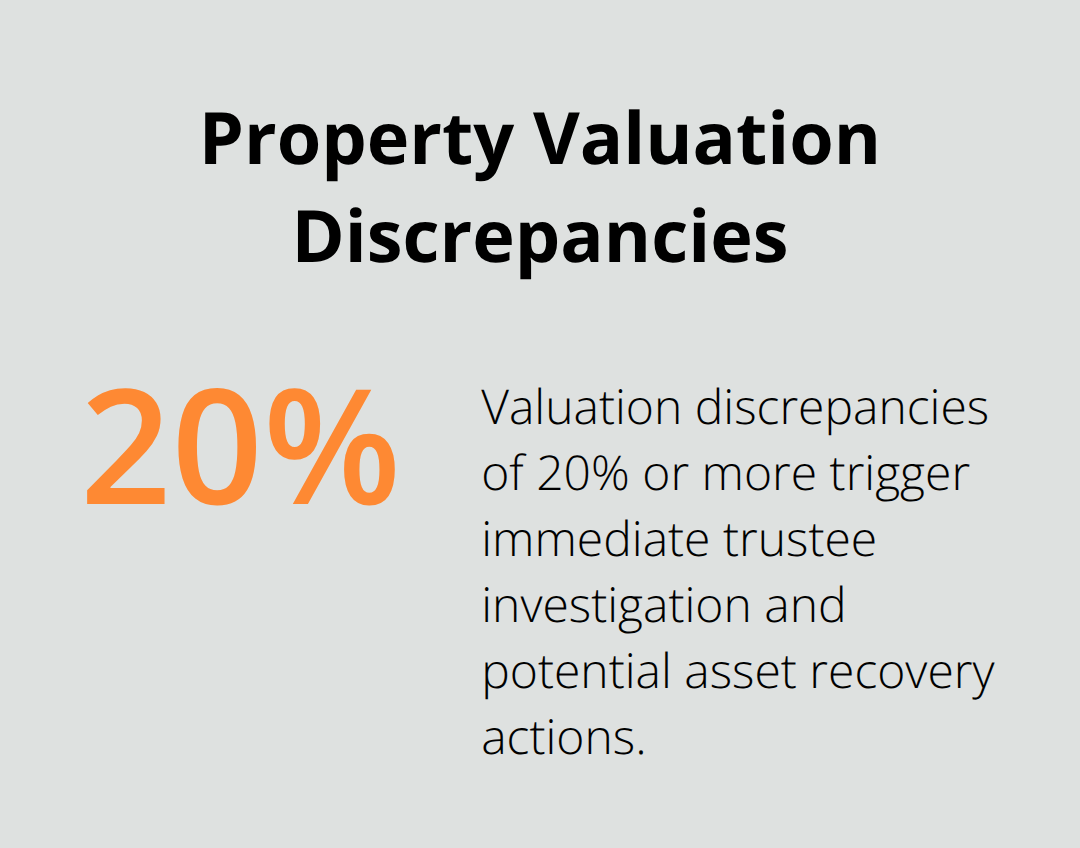
Valuation discrepancies that exceed 20% prompt immediate trustee investigation and potential asset recovery actions. Overvalued property wastes exemption amounts but poses less legal risk than undervaluation. Professional appraisals provide court-acceptable documentation, though trustees may still challenge values that seem inconsistent with market conditions or recent sales activity in your neighborhood (particularly in volatile real estate markets).
Final Thoughts
Florida homeowners who ask “will I lose my home if I file bankruptcy” can find reassurance in the state’s powerful homestead exemption laws. The unlimited equity protection, combined with proper mortgage reaffirmation and strategic planning, allows most homeowners to keep their properties through Chapter 7 bankruptcy. Success depends on meeting residency requirements, maintaining current mortgage payments, and accurately valuing your property on bankruptcy schedules.
The 730-day residency rule and 1,215-day ownership requirement form the foundation of your protection strategy. Proper legal guidance becomes essential when you navigate these complex requirements (especially with Florida’s specific timing rules). We at Harnage Law, PLLC help Florida families protect their homes while they discharge qualifying debts through the Chapter 7 process.
Homeowners who consider bankruptcy should act quickly to address timing issues and asset protection strategies. Professional legal assistance maximizes your chances of keeping your home while you achieve the fresh financial start that Chapter 7 bankruptcy provides. The combination of Florida’s protective laws and proper legal strategy creates the best outcome for families facing financial difficulties.