
Filing for Chapter 7 bankruptcy is a major financial decision, and credit counseling before filing isn’t optional-it’s required by law. At Harnage Law, PLLC, we see firsthand how credit counseling chapter seven preparation helps people understand their true financial picture and explore all available options.
This counseling session can reveal whether Chapter 7 is actually the right path for you, or if another solution makes more sense for your situation. Understanding what happens during credit counseling and how it prepares you for bankruptcy filing removes confusion and builds confidence in your next steps.
What Happens During Your Credit Counseling Session
Preparing Your Documents and Financial Records
You’ll need to bring specific documents to your credit counseling session to give the counselor a complete picture of your finances. Gather two months of pay stubs, last year’s tax returns, recent statements for all credit cards and loans, and documentation of your monthly expenses like utilities, rent, and groceries.
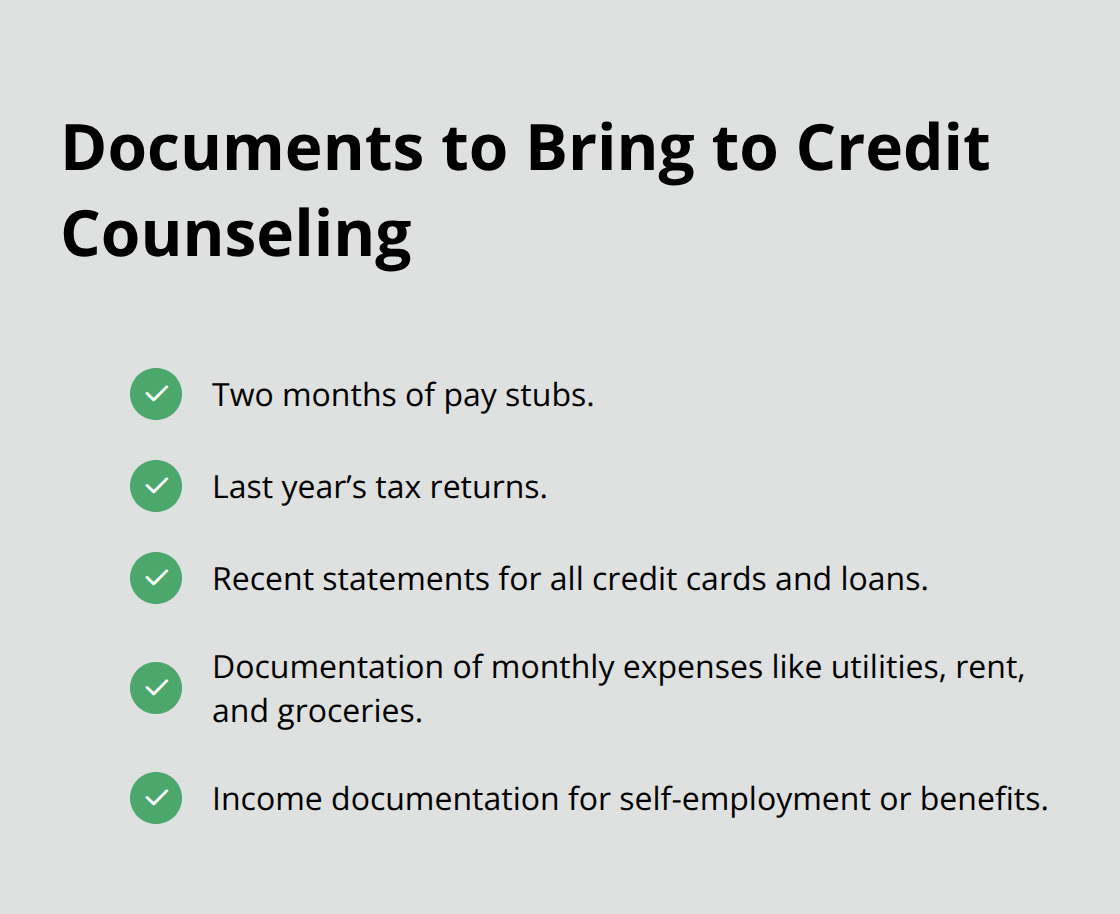
If you’re self-employed or receive benefits, bring income documentation for those sources as well. The counselor analyzes your income against your essential expenses to create an accurate budget, then discusses whether a debt management plan, creditor negotiation, or other alternatives might work before you consider Chapter 7.
Exploring Your Options Beyond Bankruptcy
This isn’t about judgment-it’s about examining whether bankruptcy is truly your best option or if another path could resolve your situation. The counselor walks through how different bankruptcy chapters work, what debts Chapter 7 can and cannot discharge, and what happens to your credit after filing. Many people discover during this session that they have options they hadn’t considered, and some find that adjusting their budget or negotiating with creditors could avoid bankruptcy altogether.
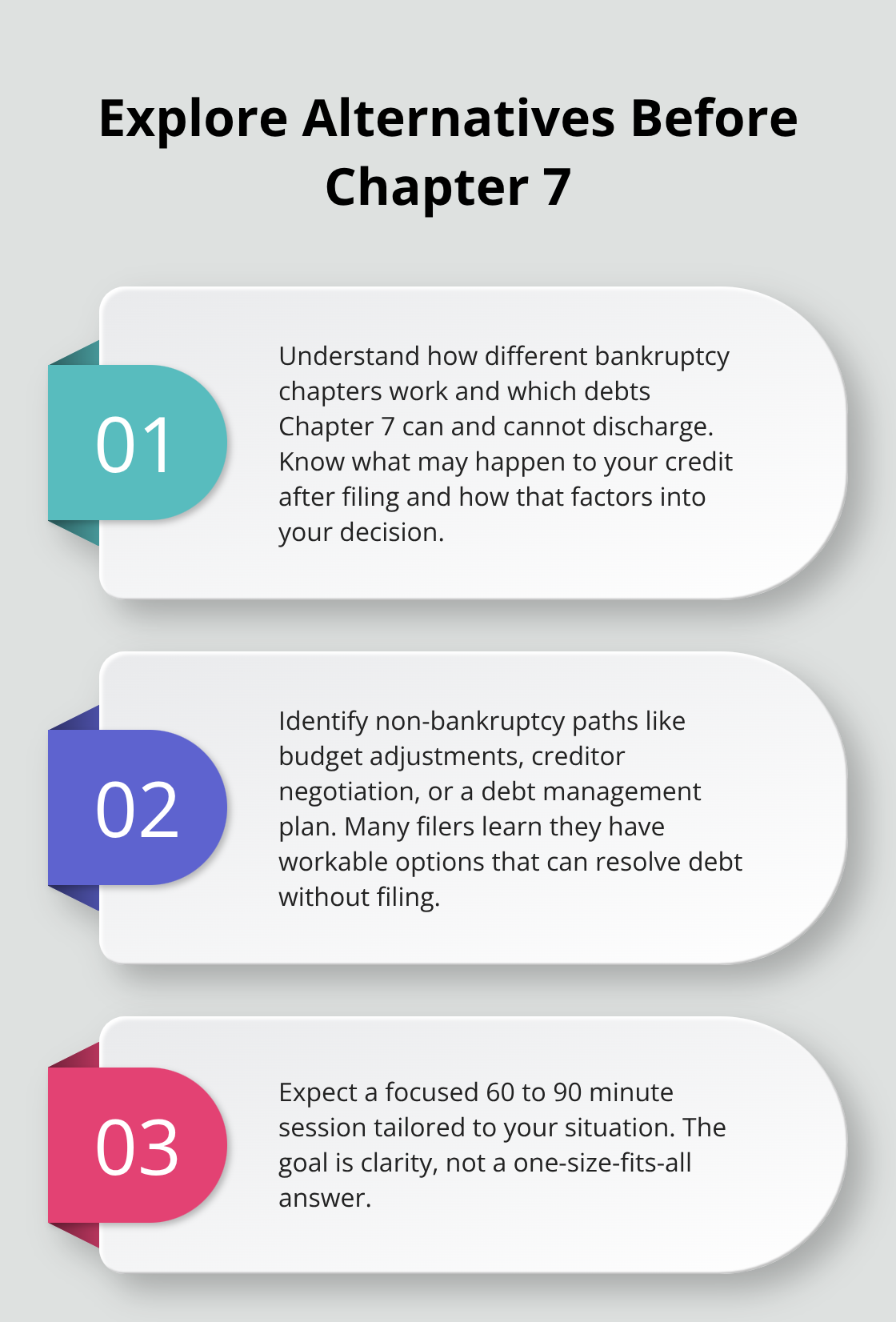
The session typically lasts 60 to 90 minutes and focuses on your specific circumstances rather than a one-size-fits-all approach.
Accessing Counseling and Obtaining Your Certificate
Federal law requires this counseling through an approved agency before you file, and the U.S. Trustee Program maintains the official list of approved providers organized by state and district. You can complete counseling online, over the phone, or in person depending on what works for your schedule. Fees are capped at $50 unless hardship applies, and households at or below 150% of the poverty level can request a fee waiver or reduction. After you finish, you’ll receive a certificate of completion within 24 hours for online sessions or one business day for in-person counseling. This certificate is valid for 180 days and must be attached to your bankruptcy petition when you file-without it, your case will be automatically dismissed.
With your certificate in hand, you now understand your finances, have realistic expectations about bankruptcy, and know you’ve explored every reasonable alternative. The next step involves understanding what happens after you file and how the bankruptcy process itself unfolds.
Why Credit Counseling Is a Legal Requirement
Federal bankruptcy law requires credit counseling before you file Chapter 7, and this isn’t bureaucratic red tape-it’s a protection built into the system. Under 11 U.S.C. § 109(h), you cannot file your bankruptcy petition without proof that you completed counseling through a U.S. Trustee Program-approved agency. If you skip this step or use an unapproved provider, the court will automatically dismiss your case, forcing you to start over, pay additional filing fees, and lose months of time. The court takes this requirement seriously because credit counseling serves a specific purpose: it forces you to pause, examine your finances objectively, and confirm that Chapter 7 is actually the right choice for your situation.
Why Desperation Leads to Bad Decisions
Many people filing for bankruptcy are desperate to escape their debt, but desperation leads to bad decisions. Credit counseling introduces a neutral third party who has no stake in whether you file or not. This counselor reviews your income, expenses, and debts with fresh eyes and can identify whether a debt management plan, creditor negotiation, or budget adjustment might solve your problem without bankruptcy. Some people discover during this session that they have more options than they realized, while others confirm that Chapter 7 is genuinely their best path forward. Either way, you move forward knowing you made an informed decision rather than a panicked one.
How the Approval System Protects You
Only agencies approved by the U.S. Trustee Program can issue certificates that courts will accept, and this approval system exists because bankruptcy counseling is serious business. Unapproved agencies cannot provide valid certificates, which means using one wastes your money and delays your case indefinitely. The U.S. Trustee Program maintains state-by-state and district-by-district lists of approved providers, and you can search these lists to verify that your chosen agency is legitimate before you spend a dollar.
Fees are capped at $50 unless hardship applies, and if your household income falls at or below 150% of the poverty level, you can request a fee waiver or reduction. Well-known approved providers like Cambridge Credit Counseling, GreenPath, and Money Management International operate across multiple states and offer flexible delivery methods-online, phone, or in-person counseling depending on your preference.
What the Counselor Will and Won’t Tell You
The counselor cannot tell you whether to file for bankruptcy, but they will explain what Chapter 7 can and cannot discharge, what happens to your credit, and what alternatives exist. After the session, you receive a certificate that remains valid for 180 days, giving you a window to gather documents, hire an attorney, and file your petition without rushing. With this certificate in hand, you’re ready to move forward with the next critical step: understanding how Chapter 7 actually works and what happens after you file.
How Credit Counseling Reveals Your True Financial Picture
Identifying Which Debts Discharge and Which Ones Don’t
Credit counseling forces you to confront specific numbers about which debts vanish in Chapter 7 and which ones follow you after discharge. The counselor walks through your debt list item by item, explaining that credit card balances, medical bills, and personal loans typically discharge, while student loans, child support, alimony, and recent tax debts do not. This distinction matters enormously because many people file for Chapter 7 expecting total debt relief, only to discover afterward that they still owe $15,000 in student loans or $8,000 in back taxes. During counseling, you see exactly which debts survive bankruptcy and plan accordingly.
The counselor also addresses secured debts like mortgages and car loans, explaining that Chapter 7 does not eliminate these obligations but does give you options to keep the property, surrender it, or work out different arrangements. You leave the session with a clear list of dischargeable versus non-dischargeable debts, removing the guesswork from your filing decision. This clarity prevents costly surprises after discharge and forces you to build a realistic financial plan that accounts for debts you will actually need to repay.
Building a Post-Bankruptcy Budget That Works
The counselor then helps you construct a post-bankruptcy budget that reflects your actual income and essential expenses going forward. You discuss monthly expenses like housing, utilities, food, insurance, and transportation, and the counselor identifies where your current spending goes and where adjustments are necessary. Many people discover during this conversation that they have spent far more than they realized on non-essentials, and small changes in discretionary spending can prevent future financial crisis.
The counselor also explains how Chapter 7 affects your credit score, which typically drops 130 to 200 points immediately after filing but begins recovering within 12 to 24 months as you rebuild credit through on-time payments and responsible credit use. Credit counseling agencies provide concrete strategies for rebuilding credit after discharge, including how to use secured credit cards, when to apply for new credit, and how to monitor your credit report for errors.
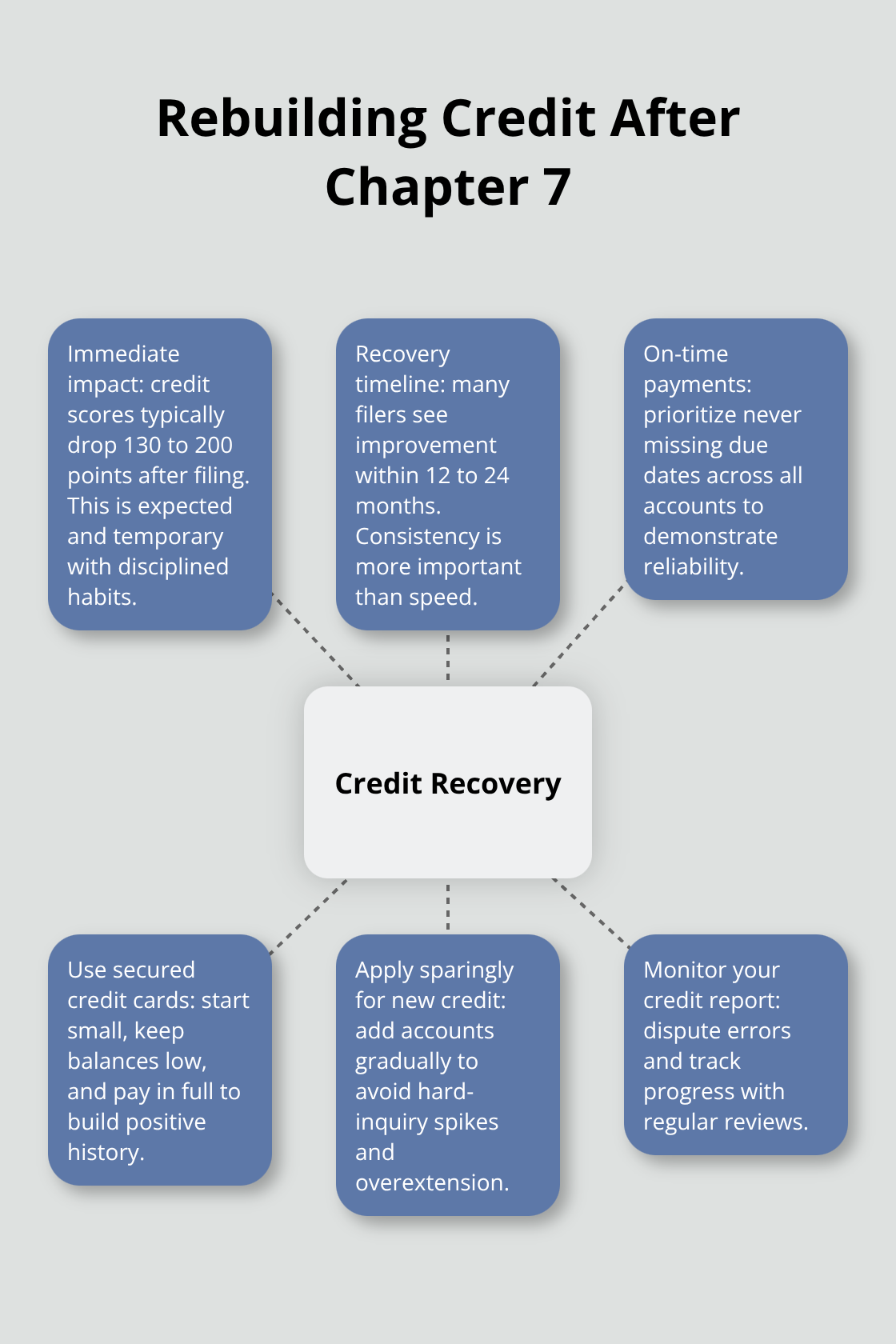
Understanding Your Credit Recovery Timeline
You learn that bankruptcy is not permanent damage but rather a reset that requires disciplined financial behavior moving forward. The counselor explains the realistic timeline for credit recovery and what actions accelerate or slow that process. With this information in hand, you move into the bankruptcy process itself with realistic expectations about your debts, your credit timeline, and your obligations both before and after discharge.
Final Thoughts
Credit counseling before Chapter 7 filing transforms bankruptcy from a desperate escape into a deliberate financial reset. The counseling session forces you to examine your debts honestly, understand which ones actually discharge, and build a realistic budget for life after bankruptcy. You leave with a certificate, a clear picture of your finances, and confirmation that you’ve explored every reasonable alternative before filing.
Moving forward after counseling means you’re ready to take the next critical step: filing your petition with an attorney who understands your specific situation. At Harnage Law, PLLC, we guide clients through every phase of Chapter 7 bankruptcy, from the initial credit counseling chapter seven requirement through discharge and beyond. Our Florida-based firm focuses on helping you discharge qualifying debts, stop creditor harassment, and prevent wage garnishments so you can rebuild your financial future with confidence.
The bankruptcy process itself typically takes four to six months from filing to discharge, and your counseling certificate remains valid for 180 days, giving you a reasonable window to organize your documents, hire representation, and file without rushing. Contact Harnage Law, PLLC to discuss your Chapter 7 options and take the next step toward financial recovery.