
Wage garnishment can drain your paycheck before you even see it. If creditors are taking money directly from your earnings, you need to know that relief is possible.
Chapter 7 bankruptcy stops garnishments immediately through what’s called an automatic stay. We at Harnage Law, PLLC help Florida residents use this powerful tool to reclaim their income and rebuild their financial stability.
How Wage Garnishment Works in Florida
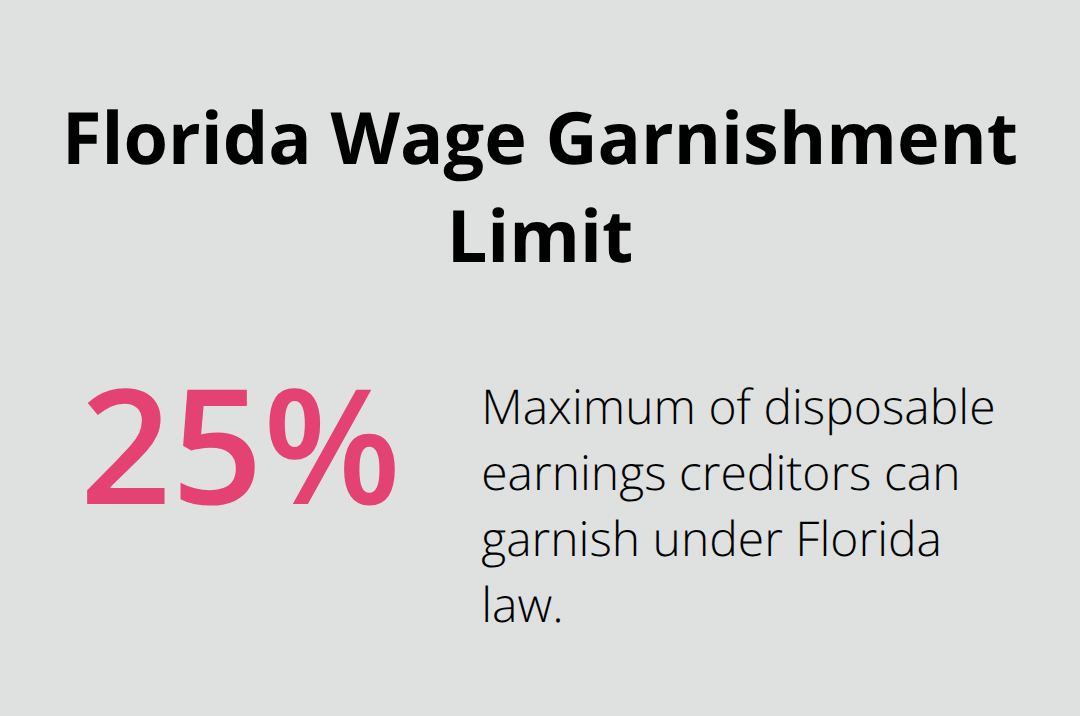
Wage garnishment in Florida starts after a creditor wins a court judgment against you. Once the judgment is final, the creditor files a writ of garnishment with the court, which then directs your employer to withhold a portion of your wages. Under Florida law, creditors can garnish up to 25% of your disposable earnings after taxes, and your employer must comply within the timeframe specified in the writ. The process moves quickly-your employer receives the order and begins deducting funds from your paycheck, sending that money to the creditor until the debt is satisfied.
Tax Garnishments Require No Court Order
Some creditors don’t even need a court judgment first. The IRS and Florida Department of Revenue can issue levies without going to court for unpaid taxes, making tax garnishment one of the most aggressive collection tools available. According to IRS data for 2024, there were nearly 314,000 levy requests nationwide, showing how commonly this happens. When a wage garnishment starts, the impact on your finances is immediate and painful. If you earn $3,000 per month and face a 25% garnishment, you lose $750 each month-money that would go toward rent, utilities, food, or other essentials. Over a year, that’s $9,000 gone. Your employer also deducts administrative fees of up to $5 for the first wage deduction and up to $2 for each subsequent deduction, which further reduces your take-home pay.
The Real Cost of Garnishment on Your Budget
Most people don’t realize how much damage garnishment does until they see their first reduced paycheck. A single garnishment can push a household from financially stable to struggling within weeks. If you have dependents, you may qualify for the Head of Household Exemption in Florida, which protects a significant portion of your wages from garnishment. However, claiming this exemption requires filing a Claim of Exemption and Request for Hearing within 20 days of receiving the writ-miss this deadline and you lose the protection. Many people don’t know about this option until it’s too late.
Protected Income Sources Still Need Action
Other income sources face garnishment too. Social Security benefits, unemployment payments, workers’ compensation, and veterans’ benefits are generally exempt from garnishment, but only if you take action to protect them. If garnished funds are mistakenly taken from these protected sources, you must file a claim to recover them.
Multiple Creditors Create Multiple Garnishments
Once one creditor obtains a garnishment order, others often follow. If you owe credit card companies, medical providers, or personal loan lenders, each can pursue separate garnishments. Florida law allows creditors to issue continuing writs of garnishment against your wages, meaning the withholding continues until the entire debt is paid. If you face multiple garnishments simultaneously, your paycheck can shrink by 50% or more, leaving you unable to cover basic living expenses. This financial crisis is where Chapter 7 bankruptcy becomes a realistic solution rather than a last resort.
Chapter 7 Stops Wage Garnishment in Florida
The Automatic Stay Halts Garnishments Immediately
Filing Chapter 7 bankruptcy triggers an automatic stay that halts wage garnishment the moment the court receives your petition. This is not a request or a negotiation-it is a court order that immediately freezes most collection activity, including wage withholding. Your employer must stop deducting money from your paycheck within one to two weeks of receiving notice, though the exact timing depends on administrative processing at your employer’s payroll department. If you are paid weekly and file on a Tuesday, your next paycheck may still be garnished if it processes before your employer receives the court notice, but those funds must be returned to you.
The automatic stay applies to garnishments from credit cards, medical debt, personal loans, and other unsecured debts. Tax garnishments operate differently-the IRS and Florida Department of Revenue can continue collection efforts in some cases, but the stay still provides temporary relief and stops wage withholding during your bankruptcy case.
What This Means for Your Monthly Income
This immediate halt means you regain access to the 25% of disposable income that creditors were taking. For someone earning $3,000 monthly facing a garnishment, that is $750 per month restored to your household budget. This money returns to your paycheck and allows you to cover rent, utilities, food, and other essentials that garnishment made impossible to afford.
Debt Discharge Eliminates Future Garnishment Risk
Chapter 7 eliminates garnishment risk because it discharges the underlying debts entirely. Once your Chapter 7 case closes-typically within 90 to 120 days-the court issues a discharge order that legally eliminates qualifying unsecured debts. After discharge, creditors cannot pursue wage garnishment for those debts because the debts no longer exist.
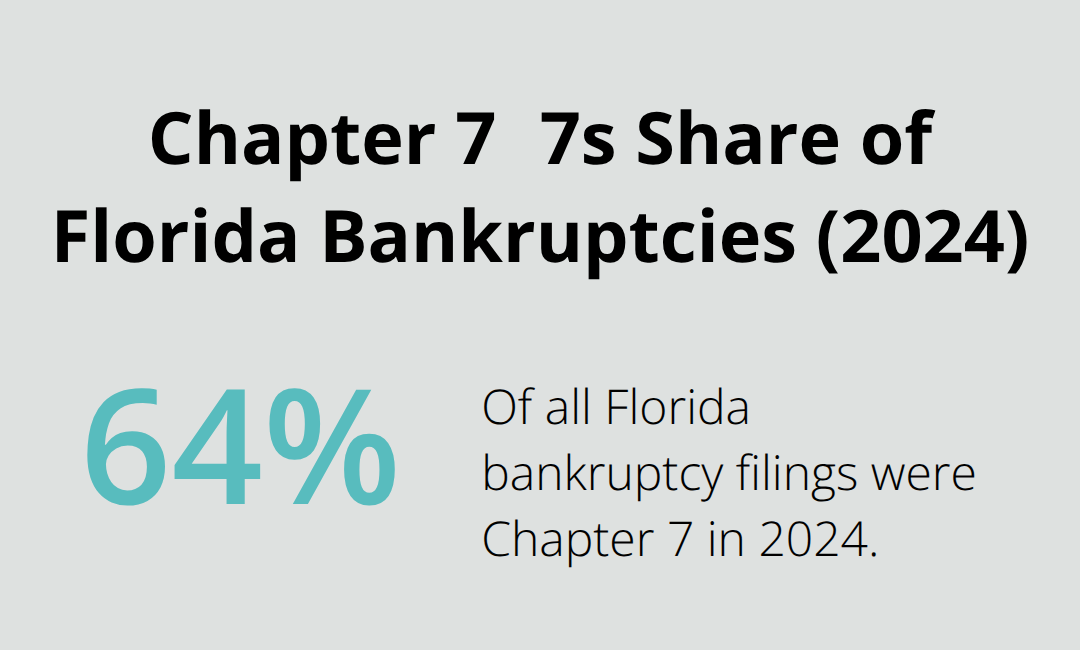
This differs fundamentally from other garnishment relief options. If you claim a Head of Household Exemption or negotiate a payment plan, the debt remains and creditors can attempt collection again. Chapter 7 provides permanent elimination. Florida Chapter 7 cases have a high success rate for no-asset outcomes, meaning the bankruptcy trustee does not liquidate your property, allowing you to keep your assets while debts are erased. According to 2024 Florida bankruptcy data, Chapter 7 filings accounted for approximately 64% of all bankruptcies statewide, reflecting its widespread use as a debt relief tool.
Asset Protection Through Florida Exemptions
Florida exemptions rank among the most generous in the United States. Your wages and income receive protection during the case through these exemptions, and after discharge, future garnishment attempts for those debts become impossible because the creditor has no legal claim against you. The bankruptcy process maximizes asset protection so you emerge from Chapter 7 with your essential property intact and your income restored.
Understanding how Chapter 7 stops garnishment is one thing-knowing what happens next in the filing process is another. The actual steps you take from petition to discharge determine whether you receive full relief or encounter delays.
From Filing to Discharge: What Happens in Your Chapter 7 Case
Gather Your Documents and File
Chapter 7 in Florida requires specific documentation, and the faster you assemble it, the sooner you stop garnishment. You need six months of pay stubs, two months of bank statements, a list of all creditors with account balances, proof of income from all sources, and your most recent tax return. The court also requires you to list all assets, debts, and monthly expenses on official bankruptcy forms. Most people can assemble everything within one to two weeks if they stay focused.
The filing fee is $338, though you can request a fee waiver if your income falls below 150% of the federal poverty line. Once you file, the automatic stay takes effect immediately, and your employer stops garnishing your wages within days. The court assigns a bankruptcy trustee to your case, and this person reviews your assets and determines whether anything can be sold to pay creditors.
Protect Your Assets Through Florida Exemptions
Florida exemptions rank among the most generous in the United States and protect most household items and personal property up to $1,000. You can increase this protection to $4,000 for an individual or $8,000 for a married couple by waiving your homestead exemption. Many Chapter 7 cases result in no-asset outcomes, meaning the trustee finds nothing to liquidate and creditors receive nothing from asset sales. Your wages and income receive protection during the case through these exemptions.
The Meeting of Creditors and Trustee Review
Your case moves through three critical stages. First comes the Meeting of Creditors, which typically occurs 21 to 40 days after filing. Despite its name, creditors rarely attend this meeting.
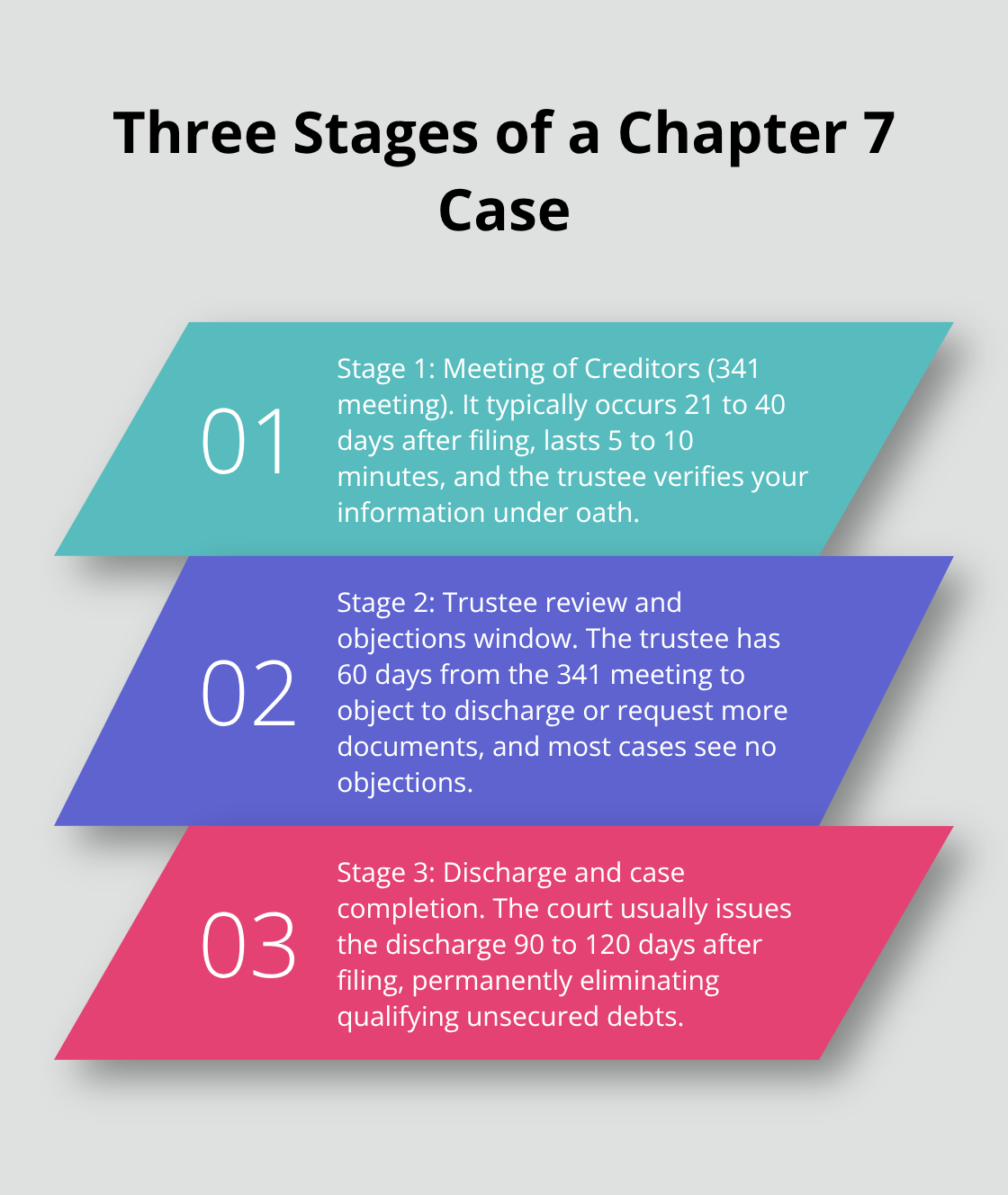
Instead, the trustee asks you questions about your income, expenses, and assets under oath to verify the information on your forms. The meeting usually lasts 5 to 10 minutes, and you must attend in person unless the court grants an exception.
Second, the trustee has 60 days from the Meeting of Creditors to object to your discharge or request additional information. Most cases see no objections, allowing the process to continue smoothly.
Discharge Order and Permanent Debt Elimination
Third, the court issues your discharge order, typically 90 to 120 days after filing. This discharge order eliminates qualifying unsecured debts permanently, meaning creditors cannot pursue wage garnishment, lawsuits, or collection calls for those debts. Once discharged, a debt collector attempting garnishment violates the discharge injunction and faces potential sanctions.
From the moment you file to the moment you receive your discharge order, the automatic stay protects you, so garnishments cannot resume even if delays occur. Many Florida residents complete their Chapter 7 cases without complications, and the timeline rarely extends beyond four months. Accurate information and prompt responses to trustee requests keep your case moving forward smoothly.
Final Thoughts
Chapter 7 bankruptcy delivers permanent garnishment relief Florida residents need to reclaim their financial stability. Unlike temporary solutions such as claiming exemptions or negotiating payment plans, Chapter 7 eliminates the underlying debts entirely. Once your discharge order arrives, typically within 90 to 120 days of filing, creditors lose all legal right to garnish your wages for those debts.
The automatic stay stops garnishments immediately upon filing, restoring the 25% of disposable income that creditors were taking from your paycheck. For someone earning $3,000 monthly, that means $750 returns to your household budget each month, allowing you to cover rent, utilities, and food without financial crisis. Each month of delay costs you hundreds of dollars in lost income and pushes your financial situation deeper into crisis.
Chapter 7 stops collection calls, prevents lawsuits, and shields your assets through Florida’s generous exemptions. The sooner you file, the sooner the automatic stay takes effect and garnishments cease. Contact Harnage Law, PLLC to discuss how Chapter 7 can provide the garnishment relief you need and guide you through every step of the bankruptcy process toward a fresh financial start.