A Chapter 7 dismissal can derail your fresh start before it truly begins. Understanding chapter 7 dismissal timelines and what triggers a case dismissal helps you avoid costly mistakes.
At Harnage Law, PLLC, we’ve seen dismissals happen for preventable reasons-missed deadlines, incomplete paperwork, and procedural oversights. This guide walks you through the common dismissal triggers, how long the process takes, and what steps to take if your case gets dismissed.
What Actually Gets Your Chapter 7 Case Dismissed in Florida
Credit Counseling Failures Cost You Time and Your Case
Credit counseling failures represent the easiest dismissal to prevent, yet they happen constantly. You must complete an approved credit counseling course within 180 days before filing your petition. The court requires your Certificate of Credit Counseling filed with your initial paperwork or within 14 days after filing-miss that 14-day deadline and the court will dismiss your case without hesitation. The U.S. Trustee maintains the official list of approved providers, and choosing an unapproved agency wastes your time and money. Many filers skip this step thinking they can handle it later, only to watch their cases get closed.
Income Verification and the Means Test Determine Your Eligibility
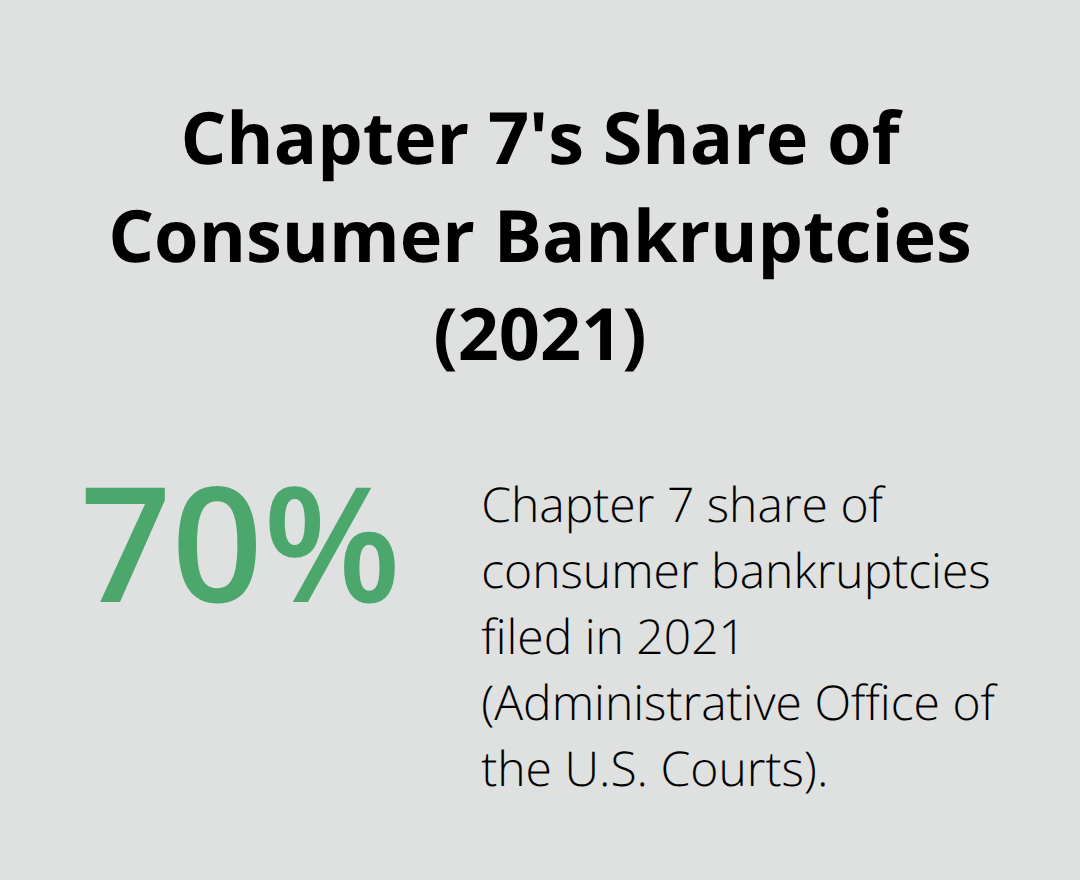
The income means test determines whether you even qualify for Chapter 7 in the first place. If your current monthly income over the past six months exceeds your state’s median income, you must pass the means test calculation on Form B22A. Failing this test doesn’t automatically kill your case-the court may dismiss it or convert you to Chapter 13 instead-but it creates unnecessary complications and delays your discharge. According to the Administrative Office of the U.S. Courts, about 70% of consumer bankruptcies filed in 2021 were Chapter 7 cases, meaning most filers do qualify, but income verification remains non-negotiable.
Missing Documents and Incomplete Filings Trigger Automatic Dismissal
Missing or incomplete required documents cause preventable dismissals most often. You must file your complete list of creditors in TXT format as a separate mailing matrix, all schedules of assets and liabilities, your statement of financial affairs, your most recent federal tax return, and pay stubs or a Certification of no payment advices if you’re unemployed. The deadline is 14 days after filing. Providing incomplete financial disclosures gets treated seriously-courts view this as either negligence or dishonesty, and either way your case gets dismissed. Local Rule 5005-1(C) governs deficient petitions, and the court gives you a notice of missing documents, but you must respond quickly to avoid automatic dismissal.
The Statement of Intention Protects Your Property Rights
For secured debts like car loans or mortgages, you must file a Statement of Intention within 30 days after filing, indicating whether you’ll surrender or retain the collateral. This document directly affects your ability to keep property, and filing it late or not at all gives the court grounds to dismiss. Failure to file timely documents accounts for a significant portion of dismissals in Florida federal courts. The procedural violations that follow-missing hearings, ignoring trustee requests, and providing inaccurate information-compound these filing failures and accelerate dismissal motions.
How Procedural Missteps Destroy Your Chapter 7 Case in Florida
Attendance at the Meeting of Creditors Is Non-Negotiable
Skipping the Meeting of Creditors or arriving unprepared ranks among the fastest ways to get your case dismissed. This hearing, technically called the Section 341 meeting, occurs 20 to 40 days after you file and is non-negotiable. You must attend with a valid photo ID and your completed schedules, under oath, ready to answer questions from the trustee and creditors. If you fail to show up, the trustee files a motion to dismiss, and the court grants it immediately.
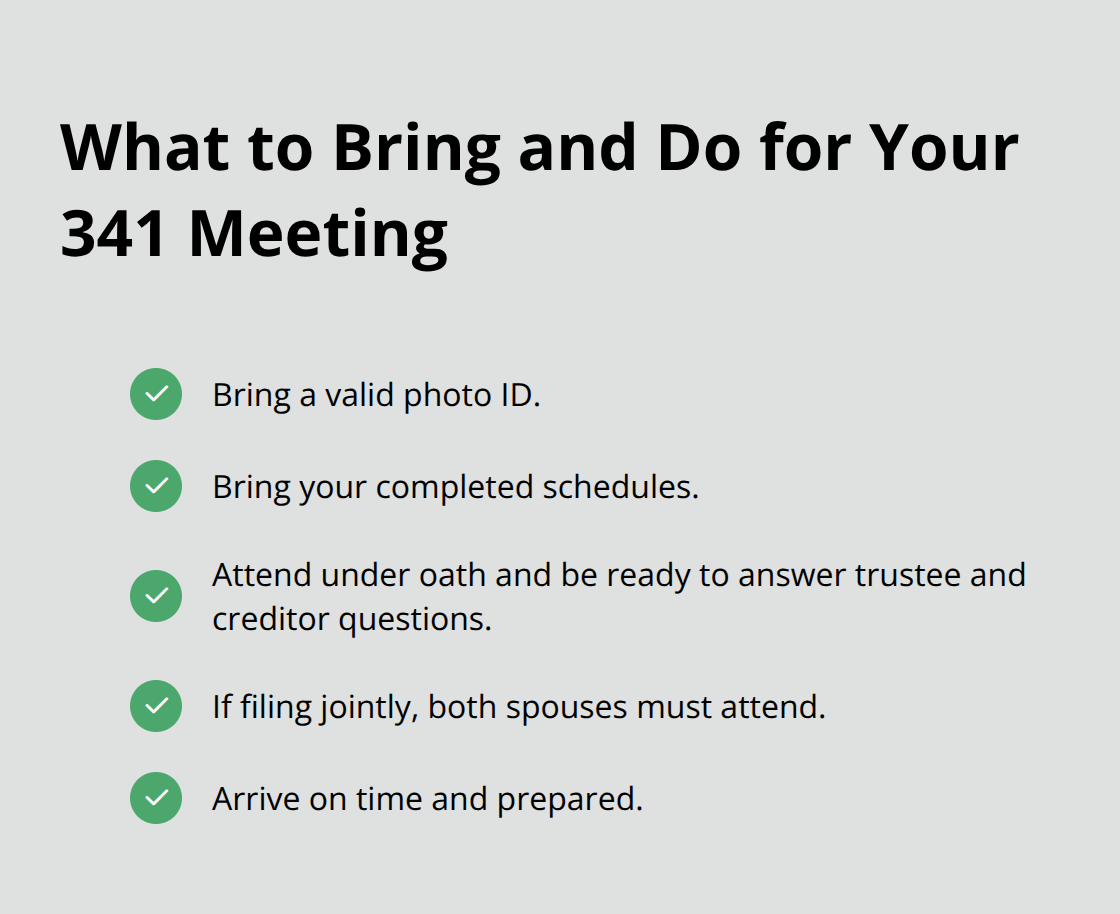
If you filed jointly with a spouse, both of you must attend-sending one person alone will not work. According to 2021 data from the Administrative Office of the U.S. Courts, roughly 321,521 Chapter 7 cases closed that year, and the overwhelming majority of those that succeeded had debtors who showed up prepared.
What the Trustee Examines at Your Meeting
The trustee uses this meeting to verify your financial information, examine your assets, and confirm that your schedules match your testimony. Lying under oath at this meeting is not just grounds for dismissal; it can trigger fraud charges and criminal prosecution. Bring documents that support your claims about income, expenses, and asset values. The trustee will ask detailed questions about your financial situation, and vague or evasive answers signal dishonesty to the court.
Responding to Trustee Requests Requires Speed and Accuracy
Your trustee’s requests for documents and information are not optional suggestions. When the trustee asks for tax returns, pay stubs, bank statements, or additional financial records, you have a strict deadline to comply-usually within 7 to 14 days, depending on the specific request. Ignoring these requests or providing incomplete responses gives the trustee grounds to file a motion to dismiss for failure to cooperate. Courts treat trustee non-compliance seriously because the trustee’s role is to protect creditors and verify that you’ve disclosed all assets and income accurately. If you claim you lost documents or cannot locate records, provide written explanation and work with your attorney to obtain duplicates from your financial institutions. The trustee will not accept excuses; they will accept action.
Financial Disclosure Errors Carry Serious Consequences
Inaccurate or misleading financial disclosures are treated as fraud, even if you made the errors unintentionally. Overstating expenses, understating income, hiding assets, or omitting creditors from your mailing matrix creates a dismissal-level offense. The court assumes that anyone filing for bankruptcy knows their own financial situation, so claiming ignorance will not save your case. If you discover you made errors after filing, correct them immediately through an amended filing. Delaying corrections suggests intentional concealment. Courts view honesty and cooperation as non-negotiable, and procedural violations that stem from dishonesty or evasion accelerate dismissal motions faster than almost any other factor. These filing mistakes and procedural failures set the stage for what happens next-understanding the actual timeline from dismissal motion to court decision helps you grasp how quickly your case can close.
How Fast Does Dismissal Happen in Florida
Early Dismissals Strike Within Days of Filing
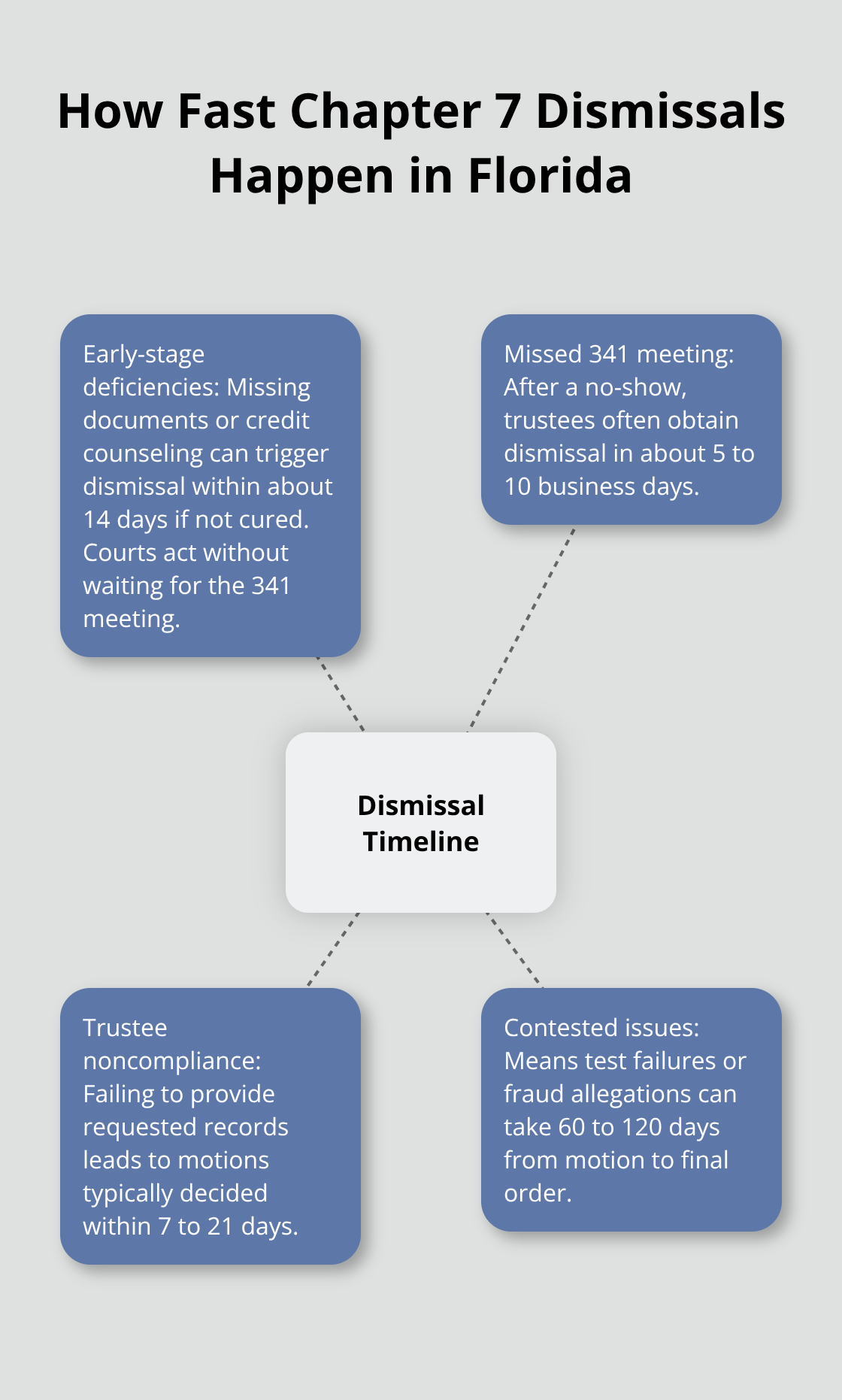
Dismissal timelines in Florida vary dramatically depending on which violation triggers the court’s action. Early-stage dismissals occur within days of filing if you fail to submit required documents or credit counseling certificates. The court will not wait for your Meeting of Creditors to close a case with missing paperwork. If you file your petition on a Monday without the required mailing matrix in proper TXT format or your Certificate of Credit Counseling, the trustee’s office flags this immediately. Local Rule 5005-1(C) requires you to cure deficient filings, but the court issues a notice of missing documents and sets a deadline-typically 14 days. Miss that deadline and dismissal occurs without a hearing. You receive no second chance or phone call. The dismissal order enters, your automatic stay lifts, and creditors resume collection actions. This process from filing to dismissal can take as little as two weeks if you completely ignore the deficiency notice.
Mid-Case Dismissals Develop During Active Administration
Mid-case dismissals take longer because they require the trustee or court to identify violations during active case administration. If you skip your Section 341 Meeting of Creditors scheduled 20 to 40 days after filing, the trustee files a motion to dismiss for failure to appear. The court typically grants this motion within 5 to 10 business days without requiring a hearing. If you ignore trustee requests for documents or tax returns after the 341 meeting, the trustee files a motion to dismiss for failure to cooperate. The court’s response timeline depends on whether you file an opposition and request a hearing. Courts in Florida generally rule on these motions within 7 to 21 days.
Training Course Deadlines Create Another Dismissal Window
If you fail to complete the mandatory financial management training course within 60 days of the first date set for your Meeting of Creditors, the court issues a notice of deficiency. You then have a short window to complete the course and file Form B423 before dismissal enters. The Administrative Office of the U.S. Courts reported that the median time from filing to closing for Chapter 7 cases in 2021 was 113 days, but this includes successful cases. Dismissals occur much faster-often within 30 to 90 days depending on when the violation surfaces.
Contested Dismissals Extend the Timeline
If your case survives the initial filing stage and the 341 meeting, dismissals triggered by means test failures or fraudulent disclosures take longer because they require a contested motion and potentially a hearing where you can present evidence or arguments. These contested dismissals can stretch 60 to 120 days from motion filing to final order. The speed of dismissal ultimately depends on how quickly the court or trustee identifies your violation and whether you contest the motion (the earlier the violation surfaces, the faster dismissal occurs).
Final Thoughts on Chapter 7 Dismissal Timelines in Florida
A dismissed Chapter 7 case feels like a setback, but it’s not the end of your financial recovery. Understanding what happens after dismissal and how to move forward prevents repeated mistakes and positions you for success on your next attempt. Appeals of dismissal orders are rare and succeed only when the court made a clear legal error, not when you simply missed a deadline or failed to comply with requirements-the appellate process takes months and costs significant attorney fees, making appeals impractical for most filers.
Refiling after dismissal requires addressing whatever caused the original dismissal. If you missed credit counseling, complete it before refiling. If documents were incomplete, gather everything meticulously this time. If you failed to appear at your 341 meeting, mark your calendar and set phone reminders. If your income exceeded the means test, you may need to wait several months for your income to drop below the threshold, or you may qualify for Chapter 13 instead. Filing again with the same mistakes guarantees another dismissal.
We at Harnage Law, PLLC help Florida residents navigate these complex situations and prevent dismissals before they happen. Contact Harnage Law, PLLC to discuss your situation and develop a plan that works for your financial recovery.