Credit counseling for Chapter 7 bankruptcy isn’t just a legal requirement-it’s your roadmap to financial stability. Before you file, this mandatory course reveals spending patterns you might not see and shows you alternatives you may not have considered.
At Harnage Law, PLLC, we’ve seen how proper preparation transforms the bankruptcy process. Taking credit counseling seriously now means better financial decisions for years after your discharge.
What You Must Know About Florida’s Credit Counseling Requirement
Federal law requires you to complete credit counseling before filing Chapter 7 in Florida, and this requirement applies regardless of your financial situation. Under 11 U.S.C. § 109(h), the 2005 Bankruptcy Law changes made this a non-negotiable step, and failing to complete it results in automatic case dismissal. The counseling must come from an agency approved by the U.S. Trustee Program, and using an unapproved provider will render your certificate invalid and delay your filing by months. You need to complete this course within 180 days before you file your petition, which means scheduling it at least one week before your intended filing date to allow time for document issues or delays. The cost runs approximately $35 per session, though many approved agencies offer fee waivers for low-income filers.
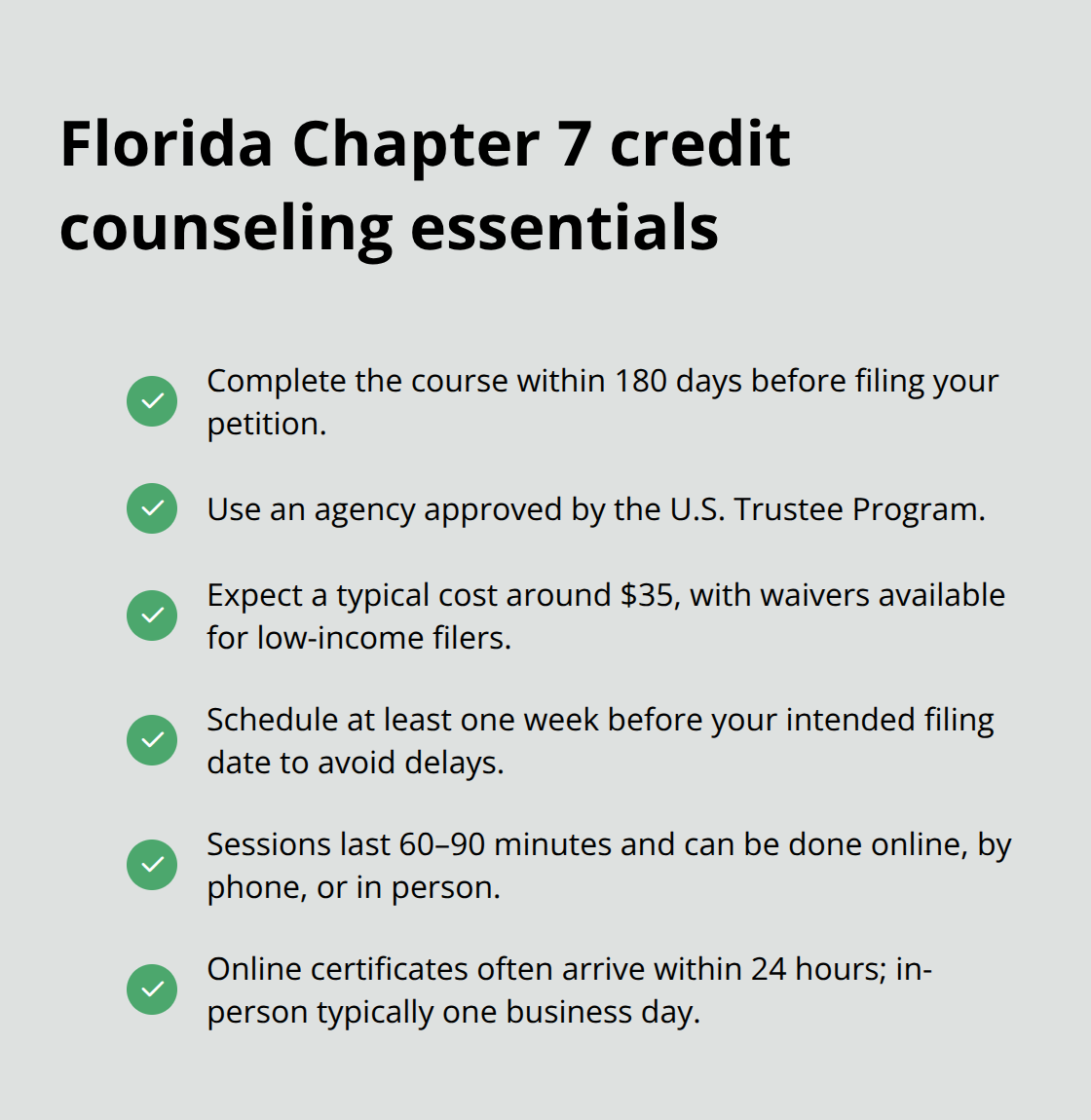
Most sessions last 60 to 90 minutes and can be completed online, by phone, or in person, with online sessions often yielding faster certificates within 24 hours compared to in-person sessions that typically take one business day.
Finding an Approved Agency in Your Florida District
The U.S. Trustee Program maintains an official list of approved credit counseling agencies organized by state and federal district. For Florida, you’ll find agencies listed separately for the Northern, Middle, Southern, and Eastern Districts, and you must verify the agency name matches exactly on the official list before enrolling. Well-known approved providers operating in Florida include Cambridge Credit Counseling, GreenPath, Money Management International, and American Consumer Credit Counseling, with online sessions typically costing $20–$50.
What Happens During Your Counseling Session
A live counselor will review your income and expenses line-by-line, analyze your household budget, and discuss alternatives to bankruptcy including debt management plans, negotiated settlements, and budget adjustments. The counselor cannot tell you whether to file for bankruptcy, but they will help you understand what Chapter 7 involves and what happens after discharge. You’ll receive your certificate via email within hours if completing online or phone counseling, and most approved agencies automatically send it to both you and your attorney to streamline the filing process. With your certificate in hand, you move forward to the next critical step in your Chapter 7 journey.
How Credit Counseling Reveals Your Real Financial Picture
Confronting Your Actual Spending
The credit counseling session forces you to confront numbers you’ve probably been avoiding. Your counselor will ask for two recent pay stubs, your last year’s tax return, and documentation of every debt you carry, then walk through your actual spending line-by-line using utility bills, rent or mortgage statements, and grocery receipts from the past 30 days. This isn’t theoretical budgeting-it’s examining where your money actually goes.
Most people discover they’re spending 15 to 25 percent more than they thought in discretionary categories like dining out, subscriptions, or impulse purchases. The 60 to 90 minute session typically reveals that your deficit is larger than you estimated, which matters because it shapes whether Chapter 7 or Chapter 13 makes sense for your situation.
Evaluating Alternatives Before Filing
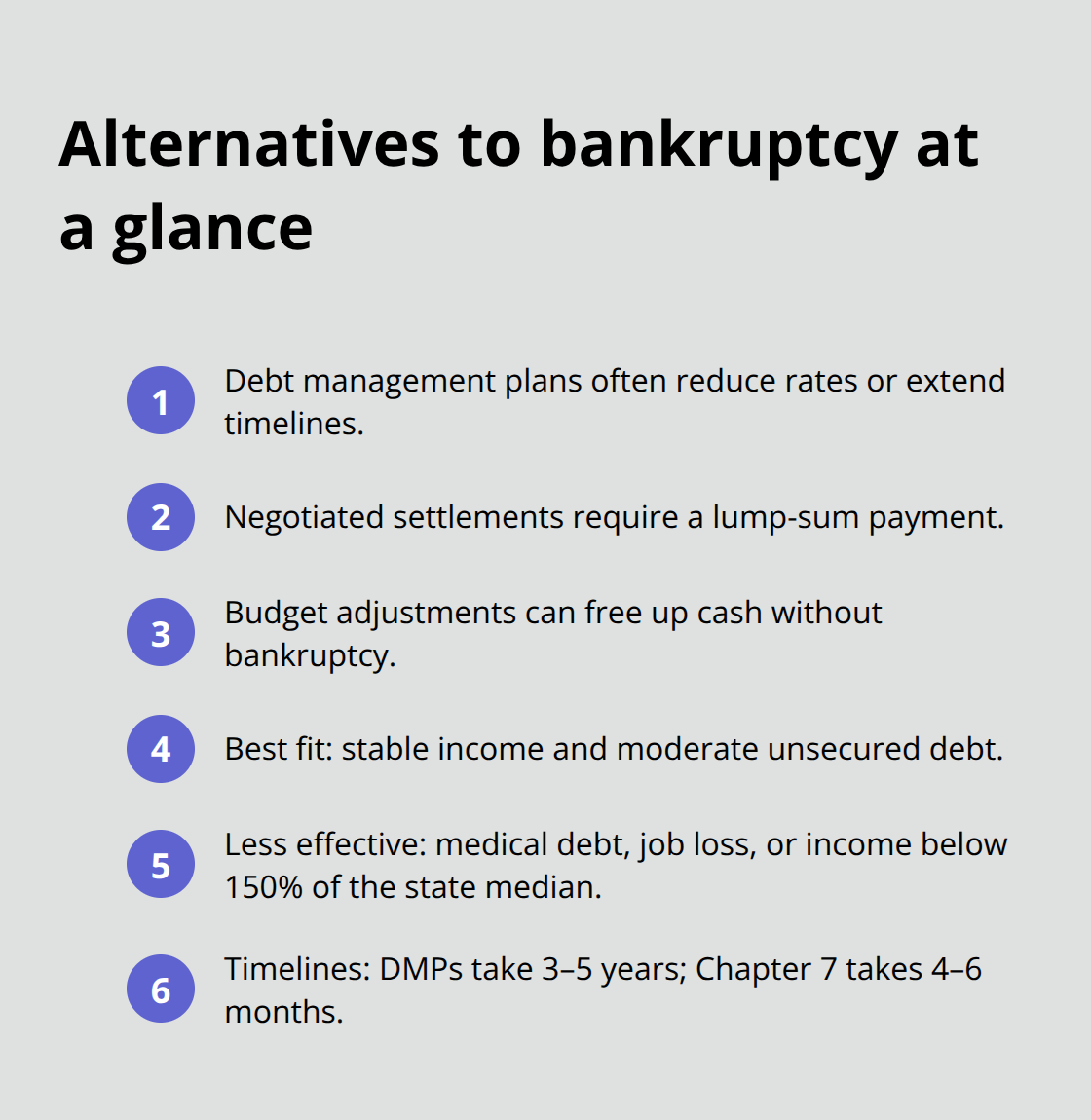
Your counselor will present debt management alternatives including formal debt management plans where creditors may lower your interest rate or extend your payment timeline, negotiated settlements where you pay a lump sum to resolve accounts, and budget adjustments that might free up cash without bankruptcy. These alternatives rarely work for people with medical debt, job loss, or income below 150 percent of the state median, but for those with stable income and moderate unsecured debt, a debt management plan can take three to five years versus the four to six months Chapter 7 typically requires.
Planning Your Post-Discharge Financial Life
Understanding what happens after discharge is equally practical. The counselor covers credit rebuilding strategies including secured credit cards that require a deposit but report to all three credit bureaus, becoming an authorized user on someone else’s account with good payment history, and waiting six months before applying for new credit. You’ll learn that your credit score typically recovers to the 650 range within two to three years after discharge if you avoid new debt and pay all bills on time.
Avoiding Common Post-Bankruptcy Mistakes
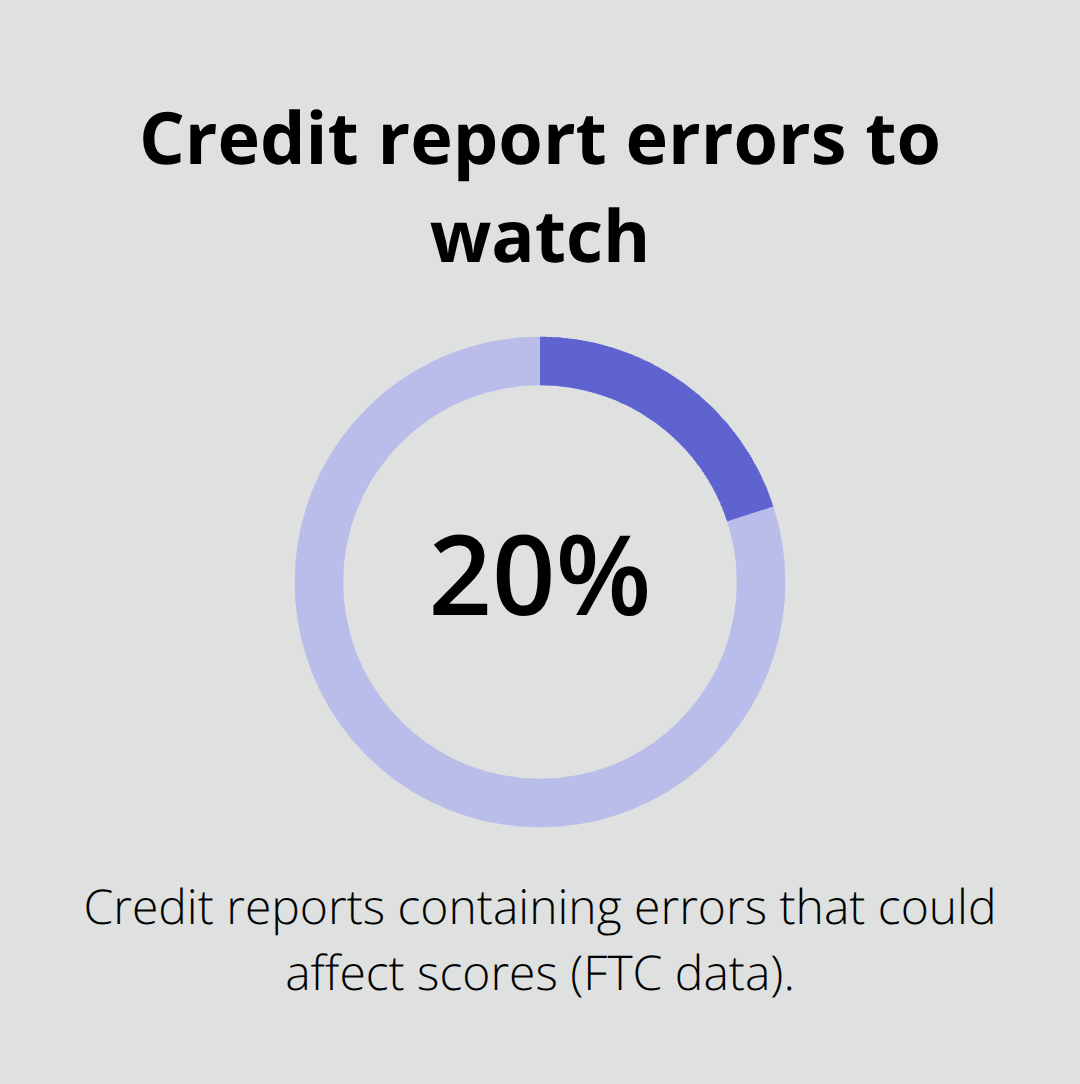
The session also addresses common post-bankruptcy mistakes like co-signing loans for family members, taking on high-interest debt to rebuild credit quickly, or ignoring your credit report for errors. Federal Trade Commission data shows that roughly 20 percent of credit reports contain errors that could affect your score, so the counselor will recommend obtaining your free annual credit reports from Equifax, Experian, and TransUnion and disputing inaccuracies before filing. This foundation prevents the cycle where people discharge debts only to repeat the same spending patterns within five years-and it positions you to move forward with confidence into the filing process itself.
What Mistakes Derail Your Chapter 7 Filing in Florida
Treating Credit Counseling as a Checkbox
The most damaging mistake is treating credit counseling as a checkbox rather than a planning tool. Many people rush through the session in under an hour, provide incomplete financial information, or postpone it until days before filing, which forces them to scramble for a rushed appointment that yields a certificate but no real insight. Federal bankruptcy law under 11 U.S.C. § 109(h) is unforgiving: if your certificate is missing, incomplete, or from an unapproved agency, the court automatically dismisses your case with no warning. You then face a months-long delay before refiling, during which creditors continue calling, wage garnishments proceed, and lawsuits move forward.
The Western District of Florida has documented that missing or invalid credit counseling certificates account for a significant portion of case dismissals, and each dismissal resets your timeline entirely. Completing the counseling at least one week before your intended filing date prevents this trap.
Skipping the Real Financial Analysis
More importantly, using that 60 to 90 minute session to examine your finances genuinely means you enter the bankruptcy process with clarity rather than desperation. Your counselor will present alternatives like debt management plans, which require stable income and take three to five years, or negotiated settlements for lump-sum payoffs. These options only work if you understand your actual monthly deficit first.
People who rush skip this analysis and later regret filing Chapter 7 when a managed debt plan could have worked. Others discover too late that their income was too low for alternatives and Chapter 7 was their only viable path. The difference between these outcomes hinges on whether you engaged fully during counseling or mentally checked out halfway through.
Ignoring Post-Discharge Credit Repair
The post-discharge phase is where the real cost of poor preparation appears. Federal Trade Commission data indicates roughly 20 percent of credit reports contain errors, and people who ignored this during counseling discover inaccurate accounts still reporting years after discharge. Secured credit cards, which require a deposit but report to all three bureaus, are the fastest way to rebuild, yet many people skip this step and instead take on high-interest predatory loans thinking they need to borrow to repair credit.
Within five years, roughly one-third of bankruptcy filers return to the same debt levels they discharged, a cycle that begins with insufficient post-discharge planning during the initial counseling session. Your counselor covers these strategies explicitly-credit rebuilding timelines, authorized user accounts, and dispute procedures for inaccurate reporting-but only if you engage fully rather than passively listening.
Final Thoughts
Credit counseling for Chapter 7 in Florida transforms bankruptcy from a desperate last resort into a deliberate financial reset. The 60 to 90 minute session reveals your actual spending, presents realistic alternatives, and equips you with post-discharge strategies that matter far more than the filing itself. When you engage fully during counseling, you enter Chapter 7 with clarity about why you’re filing and what comes next.
The mistakes that derail people happen before filing-missing your certificate because you scheduled counseling too late, using an unapproved agency, or mentally checking out during the session all trigger automatic case dismissal under federal law. But the deeper cost appears years later when people who ignored post-discharge planning find themselves back in debt because they never learned to identify spending patterns or use secured credit cards to rebuild. Your credit counseling Chapter 7 session is where you gain control and confront numbers you’ve been avoiding.
We at Harnage Law, PLLC help clients navigate every step of Chapter 7 bankruptcy in Florida, from credit counseling through discharge and beyond. If you’re ready to move forward after completing your counseling course, contact us to discuss your filing strategy and next steps toward financial stability.