Chapter 7 bankruptcy wipes out many debts, but not all of them. Some obligations stick around even after discharge, and understanding which debts are not discharged in Chapter 7 bankruptcy in Florida is critical to your financial recovery.
At Harnage Law, PLLC, we help clients navigate these remaining obligations so they can move forward with confidence.
Debts That Survive Chapter 7 Discharge in Florida
Child Support and Alimony Obligations
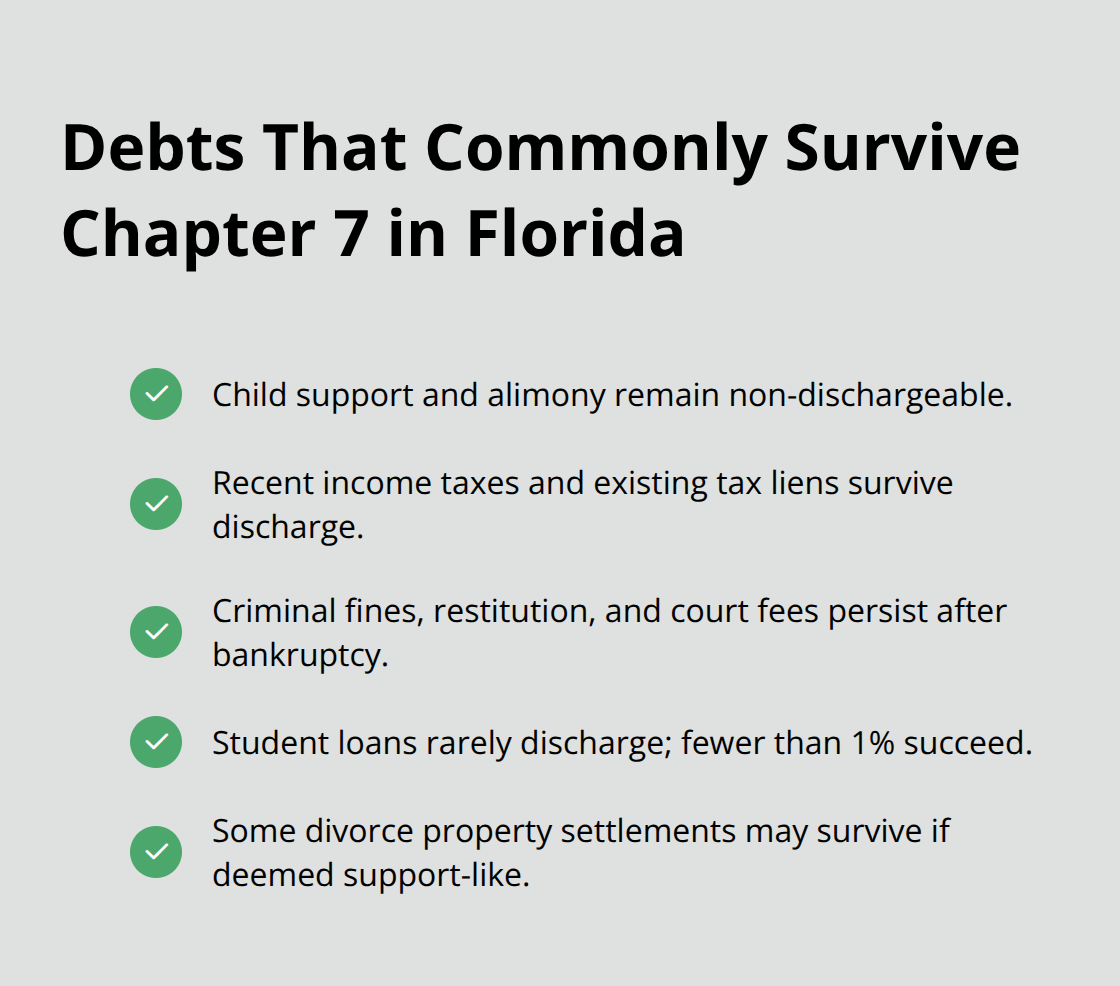
Child support and alimony obligations rank among the most stubborn debts in bankruptcy. Federal bankruptcy law under 11 U.S.C. § 523(a)(5) explicitly shields these from discharge, and Florida courts enforce this protection rigorously. Back child support follows you through Chapter 7 and beyond. The same applies to alimony obligations ordered by a Florida divorce decree. Courts prioritize the financial security of dependent children and former spouses over your fresh start, making these debts non-negotiable.
Student Loans and Educational Debt
Student loans present another significant barrier to discharge. Section 523(a)(8) makes educational debt essentially permanent unless you can prove undue hardship-a legal standard so restrictive that fewer than 1% of borrowers succeed in discharging student loans through bankruptcy. Courts interpret undue hardship narrowly, requiring evidence that repaying the loan would prevent you from maintaining a minimal standard of living. Most borrowers should assume their student debt will remain after Chapter 7 closes.
Tax Debts and Tax Liens
Income taxes within three years of your filing date cannot be discharged under 11 U.S.C. § 523(a)(1). Tax liens attached to your property also survive discharge, meaning the government continues collection efforts against your assets. These debts serve public policy goals that bankruptcy law respects, so the government maintains its right to collect.
Criminal Fines, Restitution, and Court Fees
Criminal fines, restitution orders, and court-imposed fees all persist after Chapter 7 concludes. If you face wage garnishment for unpaid criminal restitution or owe court fees related to criminal proceedings, Chapter 7 will not eliminate those obligations. The government maintains its right to collect these debts as part of the criminal justice system’s enforcement mechanisms.
Property Settlement Agreements from Divorce
Property settlement agreements from divorce decrees may also survive if a court determines that discharging them would unfairly harm your former spouse. The key distinction is whether the obligation functions as alimony or support versus a property division; courts examine each case individually. Understanding which debts will remain after discharge allows you to plan your post-bankruptcy financial strategy more effectively. This knowledge also helps you avoid false expectations about your obligations and prepares you to address the specific steps needed to handle these remaining debts.
Why Non-Dischargeable Debts Stick Around
Congress Prioritizes Certain Creditors Over Fresh Starts
The bankruptcy code carves out specific debts from discharge because Congress decided certain obligations deserve stronger protection than a fresh financial start. Child support and alimony exist to keep dependent children and former spouses from falling into poverty when a debtor files Chapter 7. Federal law recognizes that a parent’s bankruptcy filing should never eliminate their responsibility to feed, clothe, and educate their children. Courts treat these family obligations as fundamentally different from commercial debt, which is why they remain non-dischargeable under 11 U.S.C. § 523(a)(5).
Government Revenue and Public Services
Government entities receive similar protection because tax revenue funds public services that benefit society broadly. When you owe income taxes within three years of filing, the government retains the right to collect under § 523(a)(1) because tax obligations fund schools, roads, and emergency services. Criminal restitution survives discharge for a stark reason: victims deserve compensation regardless of whether an offender files bankruptcy. These priorities reflect a deliberate policy choice that certain creditors matter more than others in the bankruptcy hierarchy.
How Creditors Enforce Non-Dischargeable Debts
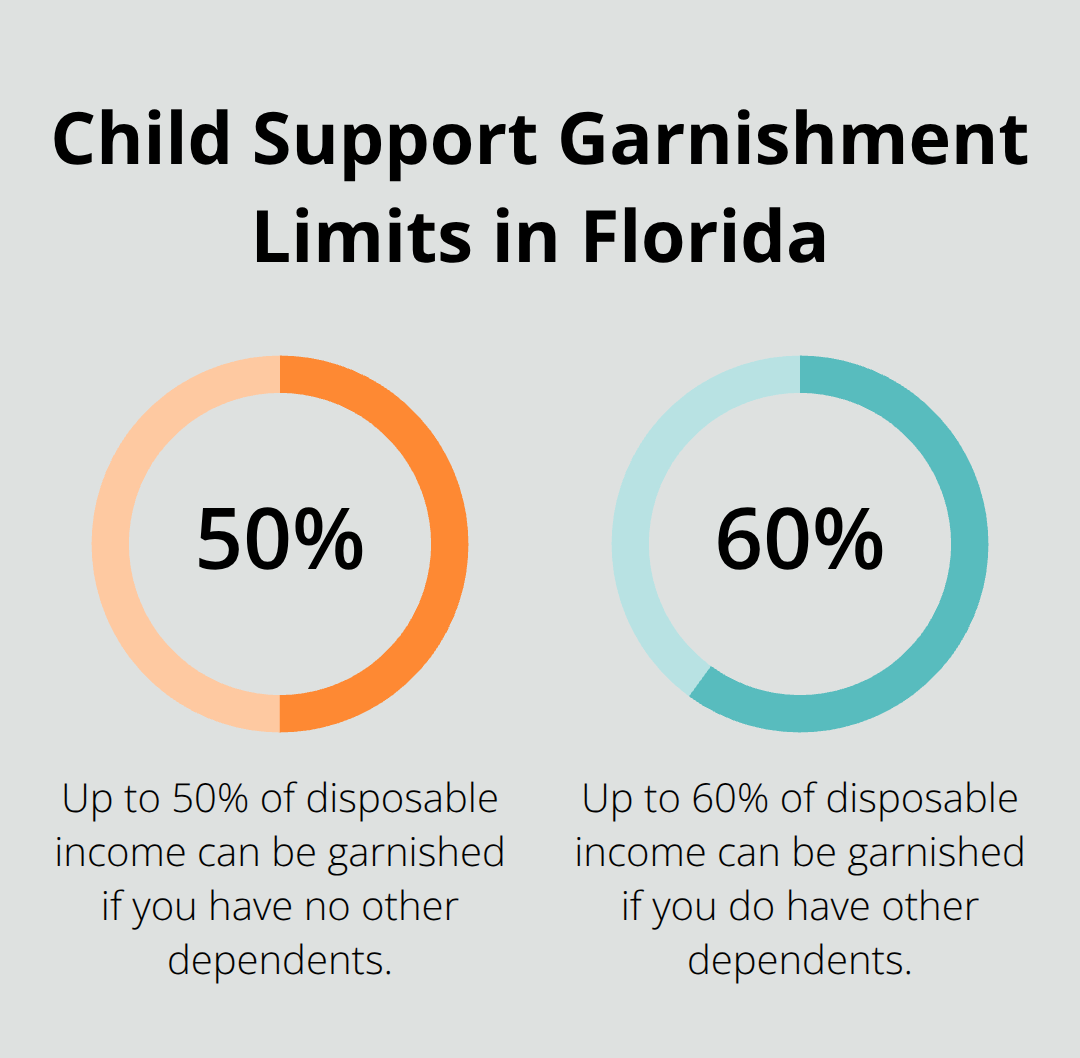
Non-dischargeable debts don’t disappear after your Chapter 7 case closes-they simply continue as personal obligations you must address. A creditor holding a non-dischargeable debt can still pursue wage garnishment, bank levies, and property liens once your bankruptcy discharge becomes final. If you owe back child support, the Florida Department of Revenue can garnish up to 50% of your disposable income if you have no other dependents, or up to 60% if you do. Tax liens attached to your property before you filed bankruptcy survive the discharge and remain enforceable against future income or asset sales.
Planning Your Post-Discharge Budget
Understanding which debts fall into the non-dischargeable category helps you prioritize your post-discharge budget and negotiate repayment arrangements with creditors holding non-dischargeable claims. You can develop realistic strategies for managing these obligations so you can rebuild credit and financial stability despite debts that bankruptcy cannot eliminate. The specific debts you carry after discharge will shape your financial recovery plan, which is why knowing how to handle them matters significantly. Your next step involves exploring concrete options for addressing these remaining obligations and working with creditors to establish manageable payment schedules.
Managing Non-Dischargeable Debts After Chapter 7
Contact Creditors Immediately After Discharge
Once your Chapter 7 discharge becomes final, non-dischargeable debts shift from your bankruptcy estate to personal obligations you must manage directly. Creditors holding these debts can resume collection efforts immediately after discharge, so waiting to address them creates unnecessary financial stress. Your first action should involve contacting each creditor holding a non-dischargeable claim and requesting a detailed accounting of what you owe. Ask specifically about current interest rates, any penalties that have accumulated, and whether the creditor will negotiate a payment arrangement.
Many creditors prefer receiving regular payments over pursuing costly collection actions, so they may agree to reduce interest rates or accept smaller monthly payments if you demonstrate commitment to repayment. Providing documentation of your current income and reasonable living expenses helps justify your proposed payment amount. Most creditors understand that Chapter 7 filers have limited resources and appreciate transparency about what you can actually afford.
Establish Payment Plans with Government Entities
Child support obligations follow different rules than other non-dischargeable debts because the Florida Department of Revenue tracks these cases and can enforce collection without waiting for you to miss payments. If you owe back child support, contact the Florida Department of Revenue’s Child Support Enforcement office immediately to establish a payment plan. The department can garnish up to 50% of your disposable income without your agreement, but proposing a voluntary payment arrangement often results in lower withholding percentages and more favorable terms.
For tax debts, the IRS and Florida Department of Revenue both offer established payment plan programs that allow you to spread repayment over several years. The IRS offers short-term plans for debts under $10,000 and long-term installment agreements for larger amounts, with monthly payments as low as $25 depending on your income and expenses.
Prioritize Debts Based on Enforcement Risk
Prioritize non-dischargeable debts strategically based on enforcement risk and consequences. Child support and criminal restitution carry the most aggressive enforcement mechanisms, including wage garnishment and potential incarceration for willful non-payment, so these should receive first priority in your post-discharge budget. Tax debts rank second because the government can place liens on your property, seize tax refunds, and garnish wages without court intervention.
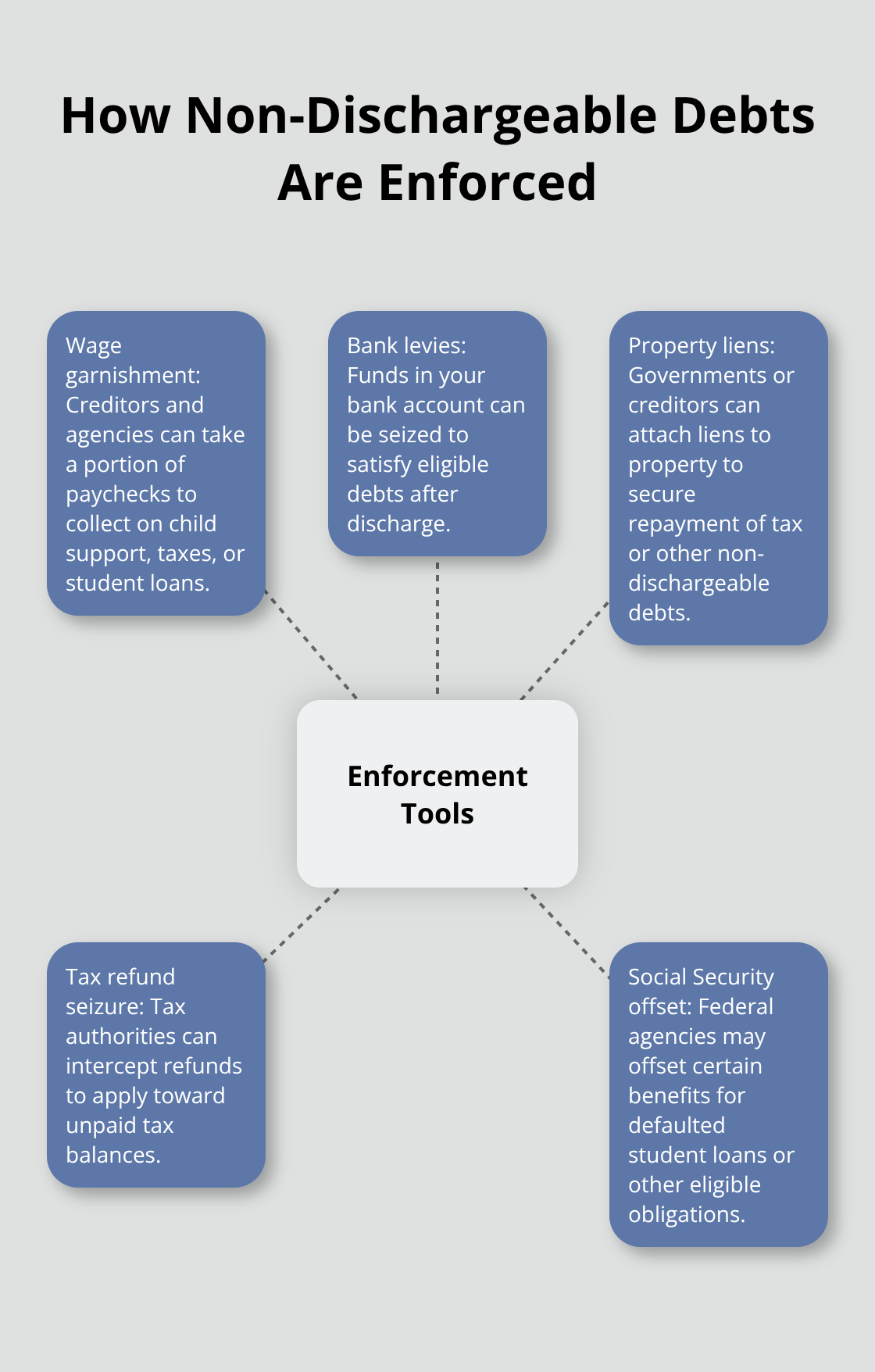
Student loans present less immediate enforcement pressure but can trigger wage garnishment and Social Security offset if left unpaid for extended periods, according to federal student loan servicer policies. This hierarchy helps you allocate limited resources to the debts that pose the greatest financial and legal consequences.
Address Incorrectly Classified Debts
If a creditor refuses to work with you, you may need to consult with a bankruptcy attorney to explore whether any debts were incorrectly classified as non-dischargeable or whether your circumstances have changed enough to pursue additional legal remedies. Some debts that creditors claim are non-dischargeable may actually qualify for discharge under specific circumstances, and a thorough review of your case can identify these opportunities.
The key to managing non-dischargeable debts successfully involves treating them as ongoing obligations that require active management and communication rather than debts you can ignore.
Final Thoughts
Chapter 7 bankruptcy eliminates many debts, but understanding what debts are not discharged in Chapter 7 bankruptcy in Florida shapes your entire financial recovery. Child support, alimony, recent income taxes, criminal restitution, and student loans all survive discharge and require active management after your case closes. These non-dischargeable obligations transform into personal debts you must address through direct negotiation with creditors and government agencies.
Your post-discharge strategy should start immediately after your discharge becomes final. Contact creditors holding non-dischargeable claims to establish payment arrangements before they pursue collection actions. The Florida Department of Revenue, IRS, and other government entities offer structured payment plans that spread your obligations across months or years, making them manageable within your post-bankruptcy budget.
We at Harnage Law, PLLC understand that Chapter 7 discharge represents a fresh start, but non-dischargeable debts require careful planning to avoid derailing your financial recovery. If you’re uncertain about which debts will follow you after Chapter 7 or need help negotiating with creditors, contact us to discuss your specific situation and explore your options for rebuilding financial stability.