Creditors call relentlessly. They text, email, and send letters demanding payment, often crossing legal lines in the process. If you’re drowning in debt and harassment, Chapter 7 bankruptcy offers immediate relief.
We at Harnage Law, PLLC know that stopping creditor harassment in Florida starts the moment you file. This guide shows you exactly how the automatic stay works and what happens after your debts are discharged.
What Creditors Actually Do to Collect Debts in Florida
Harassment Tactics Debt Collectors Use
Creditors in Florida use specific tactics designed to wear you down financially and emotionally. Debt collectors make repeated calls, often multiple times per day, targeting you at home, work, and on your cell phone. The Federal Trade Commission reports that consumers received over 2.7 billion robocalls in 2023, with debt collection calls representing a significant portion. Under the Fair Debt Collection Practices Act, collectors cannot call before 8 a.m. or after 9 p.m., but many ignore this rule. They also cannot contact you at work if your employer prohibits such calls, yet this violation happens regularly in Florida.
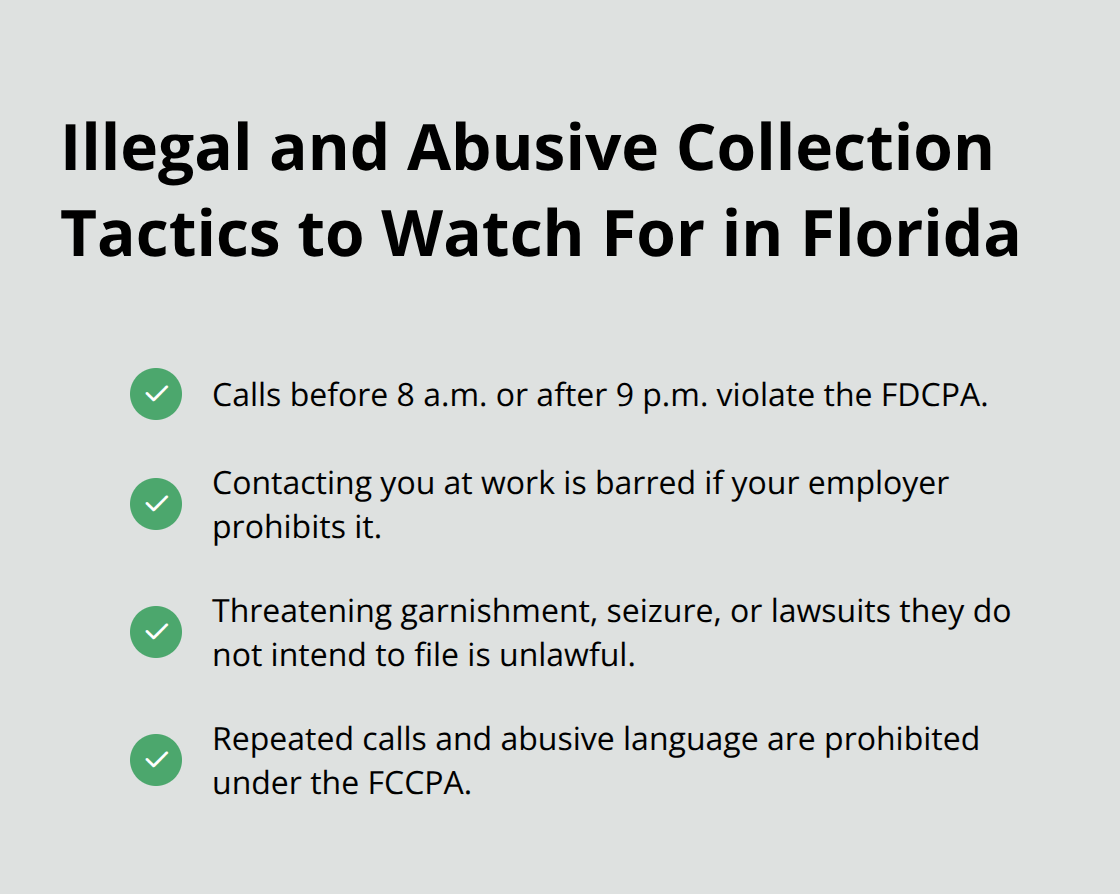
Some collectors use threats, claiming they will garnish wages, seize property, or file lawsuits they have no intention of pursuing. Text messages and emails pile up with increasingly aggressive language designed to frighten you into paying. Florida’s own statute, the Florida Consumer Collection Practices Act, prohibits abusive collection tactics and repeated calls at unusual hours, yet violations continue because many debtors don’t know their rights or how to document them.
The Real Cost of Constant Contact
Constant contact causes stress, anxiety, and sleep disruption that affects your work performance and health. Many people avoid answering their phones entirely, missing important calls from employers, doctors, and family. Research on debt-related stress shows it contributes to depression and physical illness. The psychological toll extends far beyond annoying phone calls-it infiltrates your daily life and relationships.
Two Paths to Stop the Harassment
In Florida, you have two immediate options. First, you can send a written cease-and-desist letter via certified mail, which forces collectors to stop contacting you except to confirm receipt or notify you of legal action. Second, and far more effective, filing Chapter 7 bankruptcy triggers the automatic stay, which halts all collection calls the moment your case is filed with the court.
The automatic stay is not a suggestion or a negotiation tactic-it is a court order with real enforcement power. Creditors who violate it face sanctions and potential liability for damages. This is why Chapter 7 works so fast: you stop the harassment before you even attend your first creditor meeting. The moment the court receives your petition, the machinery of protection shifts into motion, and collectors must cease their efforts immediately.
How the Automatic Stay Stops Creditor Calls
What the Automatic Stay Does Immediately
Filing Chapter 7 triggers the automatic stay, a federal court order that halts collection activity the moment your petition reaches the bankruptcy court. Under 11 U.S.C. §362, the automatic stay activates immediately and applies to nearly all creditors, regardless of whether they received formal notice. This means phone calls stop, lawsuits pause, wage garnishments freeze, and bank levies cease before your case even appears on the court docket. The stay covers original creditors, debt collection agencies, and third-party collectors attempting to pursue you in Florida. Creditors cannot contact you directly about the debt once the stay takes effect; instead, they must work through the bankruptcy process and communicate only with your attorney or the court.
How Fast Relief Arrives
The speed of relief matters tremendously because you stop the harassment before attending your §341 meeting with creditors, which typically occurs 21 to 40 days after filing. Many debtors report that the psychological weight lifts within days of filing, as the relentless phone calls and letters simply stop. Your attorney’s involvement creates an additional barrier-when collectors call after filing and learn you have filed for bankruptcy, they must immediately cease contact or face legal consequences.
What Happens When Creditors Violate the Stay
Courts take automatic stay violations seriously. Under 11 U.S.C. §362(k), creditors who willfully violate the stay face sanctions and liability for actual damages, attorney fees, and costs. A creditor that calls you after the stay takes effect has violated a federal court order, and documenting these violations strengthens your position considerably. Creditors occasionally attempt to contact debtors after a stay is in place, betting that many people do not understand their rights; this gamble backfires when violations are documented and reported.
How Long the Stay Protects You
In Chapter 13 cases, the automatic stay also protects you during your repayment plan, typically lasting three to five years, preventing direct creditor contact throughout that period. The stay does have limits: it does not stop criminal proceedings, certain tax actions, or proceedings to establish paternity or child support obligations. Additionally, if a creditor files a motion for relief from the stay and the court grants it, collection efforts may resume on that specific debt. However, the vast majority of unsecured debts-credit cards, medical bills, personal loans-remain protected throughout your case (meaning creditors cannot pursue you directly while your bankruptcy proceeds).
Once the automatic stay halts the immediate harassment, your focus shifts to what happens next in the bankruptcy process and how Chapter 7 eliminates the debts driving those calls in the first place.
What Gets Eliminated in Chapter 7 and What Comes After
Unsecured Debts Vanish Through Discharge
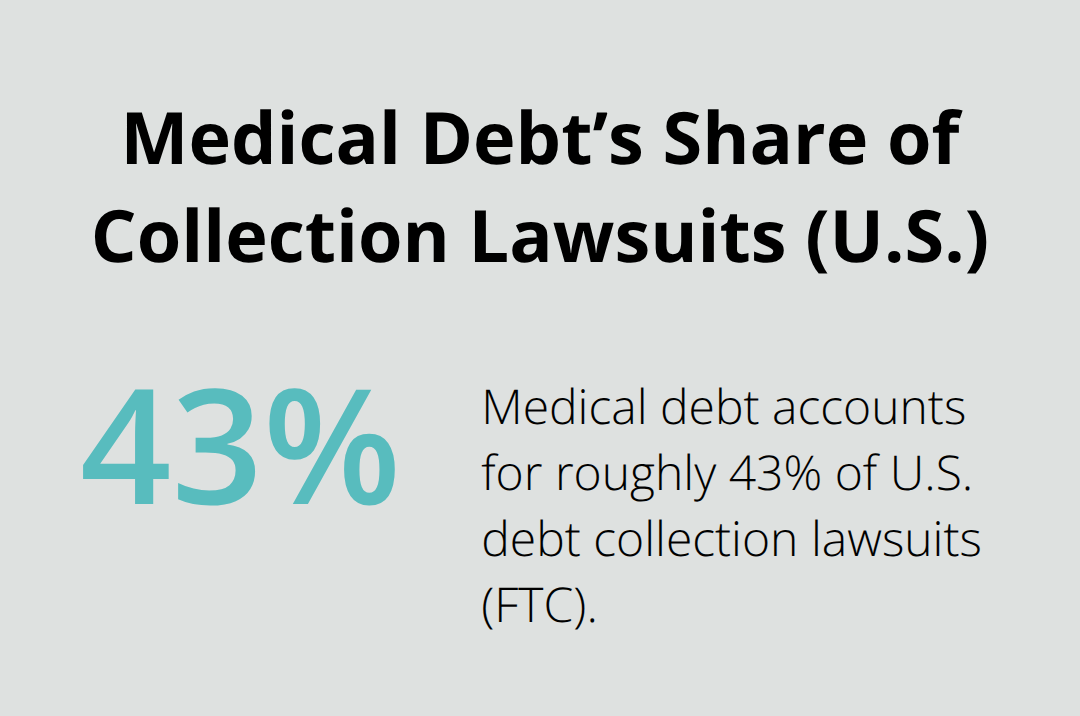
Chapter 7 bankruptcy eliminates qualifying unsecured debts entirely, which is why creditors stop calling once your discharge is finalized. Credit card balances, medical bills, personal loans, payday loans, and collection accounts disappear through the discharge order issued by the bankruptcy court, typically four to six months after you file. The Federal Trade Commission reports that medical debt accounts for roughly 43 percent of all debt collection lawsuits in the United States, meaning many Florida debtors filing Chapter 7 carry substantial medical balances that simply vanish. Once the discharge is entered, creditors have no legal right to pursue you for those debts, and attempting to collect violates federal law.
This finality matters tremendously: you are not restructuring or repaying these obligations through a plan, you are eliminating them entirely. Secured debts like mortgages and car loans follow different rules in Chapter 7, but unsecured debts that drove the harassment are gone permanently.
The Discharge Order Becomes Your Legal Shield
The discharge order prevents any creditor from calling, suing, or reporting the debt to credit bureaus for collection purposes after the discharge date. Creditors who violate this protection face serious legal consequences. Your attorney can pursue claims against collectors who attempt contact after discharge, and courts award damages for these violations. The discharge order is not a suggestion-it is a final judgment that ends the creditor’s right to collect.
Credit Scores Recover Faster Than Expected
After your discharge is finalized, your credit score starts recovering within months despite the bankruptcy filing. Credit reporting agencies must remove discharged debts from your report within 30 days of the discharge order, which eliminates negative trade lines and stops the damage to your score. Many people see their credit scores climb 50 to 100 points within the first year after discharge because the debt-to-income ratio improves dramatically and the constant negative reporting stops. Secured credit cards with deposits between $300 and $1,000 become your first tool for rebuilding; companies like Capital One and Discover offer cards specifically designed for post-bankruptcy rebuilding with approval odds that favor recent bankruptcy filers.
Rebuilding Your Payment History
Utility payments, rent payments, and on-time payments on any remaining debts rebuild your payment history faster than most people expect. The Fair Credit Reporting Act allows you to dispute inaccurate information on your credit report for free, and creditors occasionally fail to update their records after discharge, so monitoring your credit report matters. Within two to three years of consistent on-time payments post-discharge, your credit score typically reaches the 620 to 650 range, making you eligible for conventional financing on homes and vehicles at reasonable rates.
Three Immediate Actions After Discharge
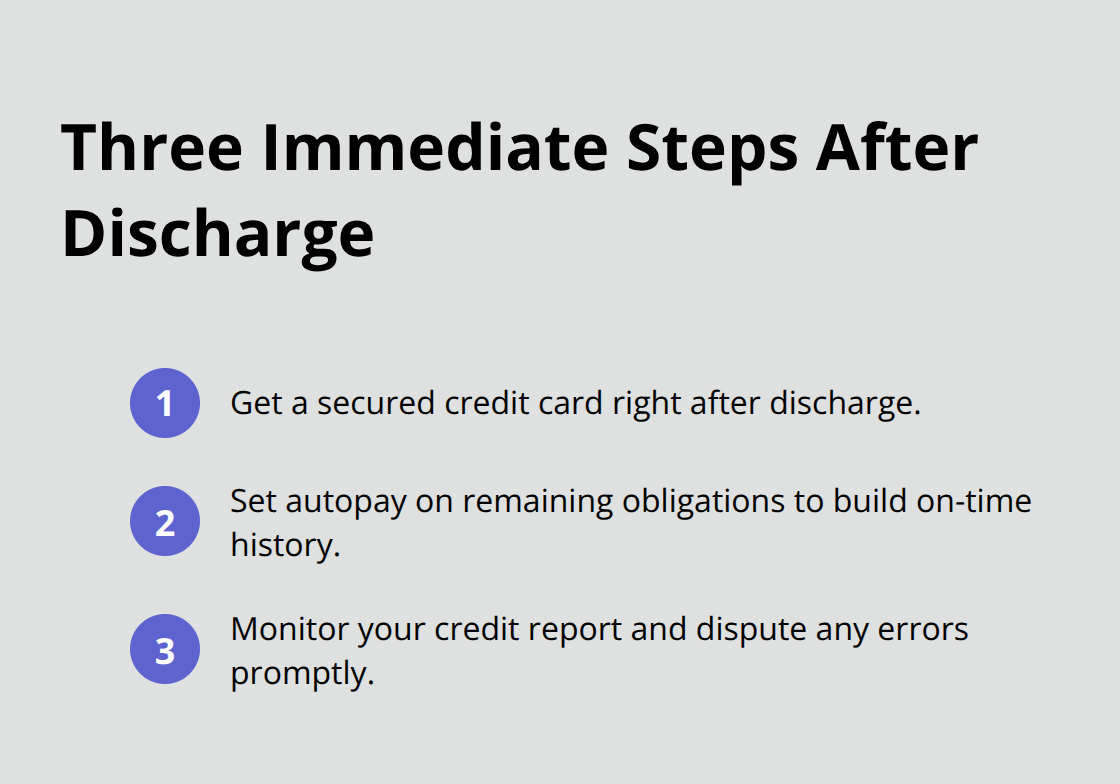
Focus on three things immediately after discharge: obtain a secured credit card, set up automatic payments on remaining obligations, and monitor your credit report for errors or violations. These steps accelerate your financial recovery and establish the foundation for long-term stability. Creditors occasionally fail to update their records after discharge, so vigilance protects your credit profile and prevents future collection attempts based on discharged debts.
Your Fresh Start After Chapter 7 in Florida
Your Chapter 7 case closes when the discharge order arrives, typically four to six months after filing, and the debts vanish permanently. At that moment, stop creditor harassment Florida becomes your past, not your present, and you shift your focus to rebuilding credit immediately. Obtain a secured credit card with a deposit between $300 and $1,000 from companies like Capital One or Discover, which actively approve recent bankruptcy filers, then set up automatic payments on small recurring charges like a streaming service and pay the full balance monthly.
Monitor your credit report every three months using AnnualCreditReport.com to catch errors before they damage your recovery, since creditors occasionally fail to update their records after discharge and old debts may reappear on your report. Dispute any inaccurate information immediately through the Fair Credit Reporting Act’s dispute process, which costs nothing and resolves within roughly 30 days. Build an emergency fund of $500 to $1,000 within the first year after discharge to stop small unexpected expenses from becoming new debts, and track your spending for 60 days to create a realistic budget that accounts for your income and essential expenses.
Avoid taking on new debt beyond the secured credit card for at least 12 months after discharge, and contact us if you have questions about your case or need assistance navigating post-discharge challenges. We at Harnage Law, PLLC guide clients through every step of Chapter 7 bankruptcy and help you rebuild after discharge. Reach out for personalized guidance on your path forward.