
Debt collectors call repeatedly, threaten legal action, and contact you at work. The harassment feels relentless and inescapable.
Chapter 7 bankruptcy offers immediate relief through a legal tool called the automatic stay. At Harnage Law, PLLC, we’ve seen how this protection stops creditor harassment in Florida and gives people breathing room to rebuild their finances.
How Creditor Harassment Works in Florida
Common Tactics Debt Collectors Use
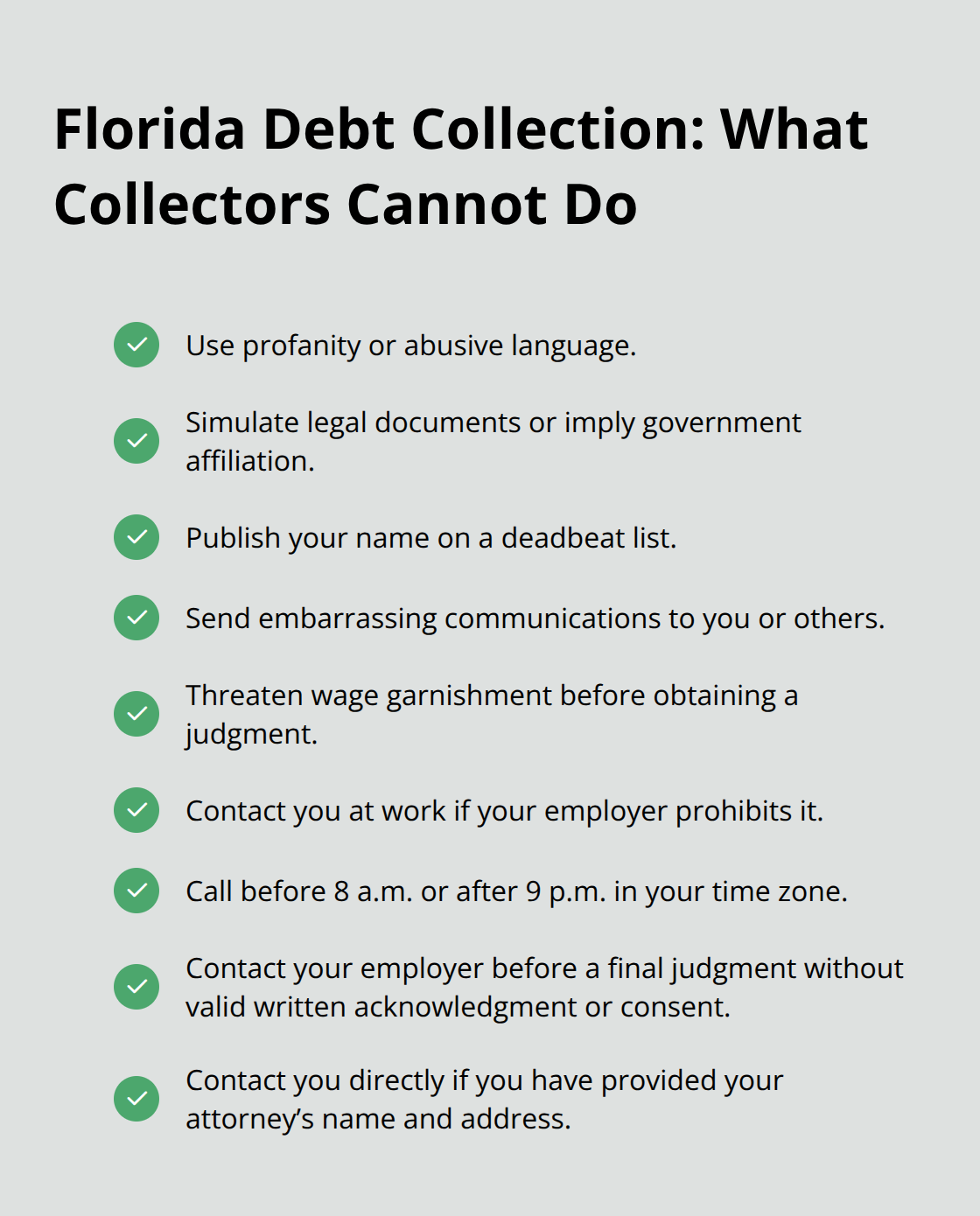
Debt collectors operating in Florida face strict legal boundaries, yet many push beyond them anyway. The Fair Debt Collection Practices Act sets federal rules, but Florida law adds its own layer of protection. Collectors cannot call before 8 a.m. or after 9 p.m. in your time zone. They cannot contact you at work if your employer prohibits it. They cannot threaten wage garnishment before obtaining a court judgment. They cannot contact your employer before a final judgment unless you’ve acknowledged the debt in writing or consented to such contact.
Collectors also cannot use profanity, simulate legal documents, or claim they represent a government agency. They cannot publish your name on a deadbeat list or send embarrassing communications. Despite these rules, the Consumer Financial Protection Bureau reported that debt collection complaints have remained consistently high, with creditors often violating contact frequency limits and misrepresenting debt amounts. Many collectors ignore the prohibition on contacting represented debtors after being provided an attorney’s name and address.
How Harassment Escalates
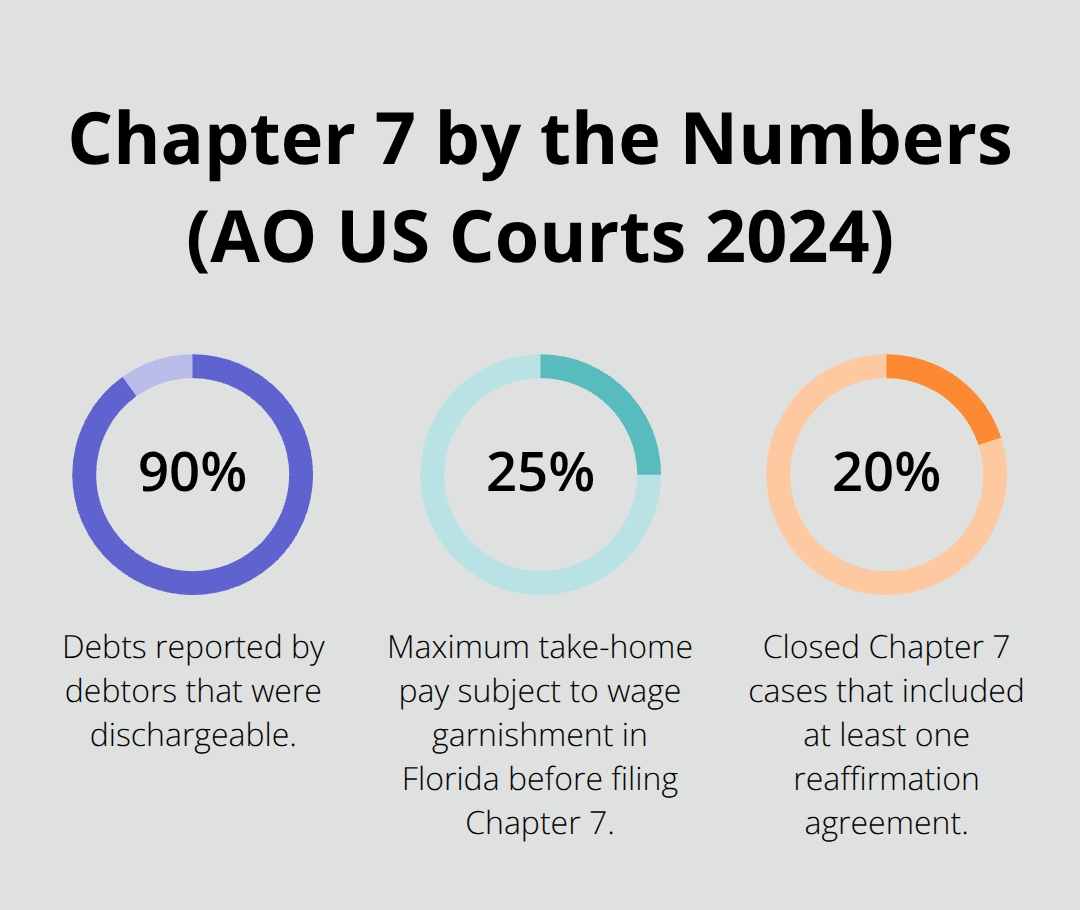
The tactics intensify when accounts fall further behind. Calls increase, threats become more aggressive, and lawsuits get filed. Collectors contact your family members about your debts, creating embarrassment and conflict at home. Many people in Florida face wage garnishments that reduce take-home pay by up to 25 percent before any Chapter 7 filing occurs. Lawsuits filed by creditors result in judgments that give collectors access to your bank accounts and property.
The Physical and Financial Toll
Constant creditor contact creates measurable stress that affects your health and relationships. Financial harassment correlates with elevated blood pressure, sleep disruption, and anxiety disorders. Your work performance suffers when collectors call your workplace despite legal restrictions. The harassment becomes a cycle-the more behind you fall, the more aggressive the collection efforts become. This is precisely why stopping collection activity matters so much. The moment creditors begin legal action, you need immediate protection to prevent further financial damage and restore peace in your life. That protection exists through a legal mechanism called the automatic stay, which activates the moment you file Chapter 7 bankruptcy.
Chapter 7 Bankruptcy and the Automatic Stay
What the Automatic Stay Does Immediately
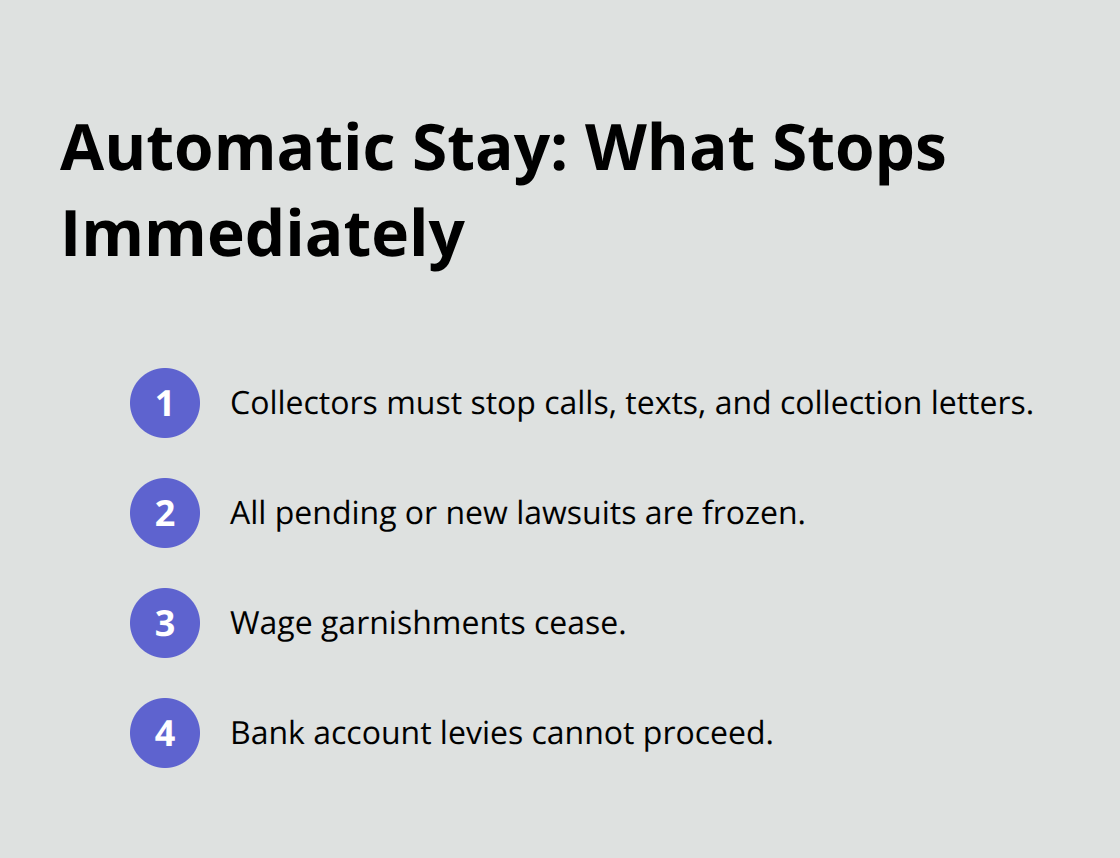
Filing Chapter 7 bankruptcy triggers the automatic stay, a court order that halts collection activity the moment your petition is filed. This protection is not negotiable or subject to creditor approval. Within hours of filing, creditors must stop calling, texting, and sending collection letters. Lawsuits freeze. Wage garnishments stop. Bank account levies cannot proceed.
According to the AO US Courts 2024 BAPCPA Report, the mean time from Chapter 7 filing to case closing is about 170 days, with a median of 110 days. During this window, the automatic stay shields you from nearly all collection pressure. Creditors who violate the stay face sanctions and may be ordered to pay your attorney fees. This is not theoretical protection-it is a federal court order with real consequences for violations.
Which Debts the Stay Covers
The stay applies to most debts including credit cards, medical bills, personal loans, and payday loans. Secured debts like mortgages and car loans are also covered initially, though lenders can petition the court to lift the stay if you fall behind on payments after filing. The breadth of this protection means that nearly every creditor pursuing you must halt their collection efforts immediately upon filing.
How the Stay Stops Direct Contact
The automatic stay stops creditors from contacting you directly. Once your case is filed, your attorney becomes the sole point of contact for all collection matters. Creditors cannot call your home, workplace, or cell phone. They cannot send collection letters to your address. They cannot threaten legal action.
The Fair Debt Collection Practices Act prohibits contact with a debtor who is represented by an attorney unless the attorney fails to respond within 30 days (which rarely happens in bankruptcy cases). This means the harassment ends immediately, not eventually. You regain control of your phone and peace in your home from day one.
Enforcement and Violations
The stay remains in effect throughout your case and survives the discharge, preventing future collection attempts on discharged debts. If a creditor violates the stay after your case is filed, you have grounds to file a motion for contempt and seek damages. This enforcement mechanism gives the automatic stay real teeth.
For individuals in Florida facing wage garnishments that reduce take-home pay by up to 25 percent, the stay provides instant financial relief by stopping garnishment orders in their tracks. The protection is immediate, comprehensive, and backed by federal court authority. Once the automatic stay shields you from collection pressure, your focus shifts to understanding which debts will actually disappear through the discharge process-and which ones will remain your responsibility after your case closes.
Discharging Debts Through Chapter 7 in Florida
What Debts Actually Disappear
The discharge in Chapter 7 eliminates most unsecured debts, which means creditors lose all legal right to collect from you after your case closes. Credit card balances, medical bills, personal loans, payday loans, and collection accounts all vanish through discharge. According to the AO US Courts 2024 BAPCPA Report, approximately 90 percent of debts reported by debtors were dischargeable, meaning the vast majority of what people owe gets wiped away. This is not a payment plan or debt consolidation-this is permanent elimination of your legal obligation to pay these debts.
However, certain debts survive discharge and remain your responsibility. Child support and alimony obligations cannot be discharged under any circumstances. Federal student loans are generally non-dischargeable unless you prove undue hardship through a separate adversary proceeding, which courts rarely grant. Recent tax debts also survive discharge, though older tax debts may be eliminated depending on timing and circumstances. Criminal fines and restitution orders cannot be discharged. This distinction matters enormously because knowing which debts disappear and which ones remain shapes your financial picture after discharge.
How Discharge Stops Collection Permanently
Once your discharge order enters (typically 60 to 90 days after your 341 meeting according to the AO US Courts 2024 BAPCPA Report), creditors lose all power to pursue you for discharged debts. A creditor who attempts collection after discharge violates the discharge injunction, a federal court order that carries serious consequences. Violating creditors face contempt of court and may receive orders to pay your attorney fees and damages. This enforcement mechanism transforms the discharge from a paper protection into a real barrier against collection activity.
The discharge also prevents creditors from reporting discharged debts as active accounts on your credit report indefinitely. They must mark accounts as discharged in bankruptcy, which eventually ages off your credit report. Creditors cannot call about discharged debts. They cannot sue about discharged debts. They cannot threaten wage garnishment for discharged debts. The psychological relief of knowing that specific debts will never be collected matters as much as the financial relief itself.
Your Protected Status After Discharge
After discharge, you regain control of your financial life without the constant threat of collection activity. Creditors cannot pursue new collection efforts against you for discharged debts, and the automatic stay continues to prevent collection actions on debts included in your bankruptcy estate. If a creditor somehow files a lawsuit after your discharge, you can immediately raise the discharge as a complete defense and potentially recover attorney fees for defending against the illegal collection attempt.
The one area where secured creditors retain rights involves collateral like homes and vehicles. A discharge does not automatically remove liens, meaning a mortgage lender or car loan creditor can still enforce their security interest if you stop paying. However, Chapter 7 provides options for handling secured debts. You can reaffirm a secured debt to keep the asset and continue paying, or you can surrender the property and eliminate personal liability for any deficiency. In 2024, approximately 20 percent of closed Chapter 7 cases included at least one reaffirmation agreement according to the AO US Courts 2024 BAPCPA Report, showing that many people choose to keep essential assets while discharging other debts.
Final Thoughts
Chapter 7 bankruptcy stops creditor harassment in Florida by activating the automatic stay immediately upon filing and eliminating most debts through discharge. The stay halts collection calls, lawsuits, and wage garnishments within hours, while the discharge prevents future collection attempts on debts included in your case. This two-part protection transforms your financial situation from constant pressure to genuine control over your finances and your life.
Creditor harassment will not stop without legal intervention, and waiting only allows collectors to escalate tactics, file judgments, and damage your finances further. The sooner you file Chapter 7, the sooner the automatic stay activates and the harassment ends. Delaying means enduring additional stress, lost wages to garnishment, and mounting legal judgments that compound your debt burden.
We at Harnage Law, PLLC help individuals and families overcome financial challenges by providing legal guidance and representation throughout the Chapter 7 process. If creditors are calling, threatening, or pursuing legal action against you, contact us for a consultation to learn how Chapter 7 works in your specific situation and discover your path to financial relief.