Financial struggles can leave Florida residents wondering “Should I file for Chapter 7 bankruptcy?” This decision affects your financial future for years to come.
We at Harnage Law, PLLC understand that Chapter 7 bankruptcy offers a fresh start by eliminating most unsecured debts within months. However, the process involves strict income requirements and potential asset loss that varies significantly under Florida law.
Understanding Chapter 7 Bankruptcy in Florida
What Chapter 7 Bankruptcy Means for Florida Residents
Chapter 7 bankruptcy eliminates most unsecured debts like credit cards, medical bills, and personal loans within approximately four months. Florida residents can discharge these debts without repayment to creditors, which makes it the fastest bankruptcy option available. Chapter 13 requires a three-to-five-year repayment plan, but Chapter 7 provides immediate debt relief for those who qualify.
Florida’s Income Requirements and Means Test
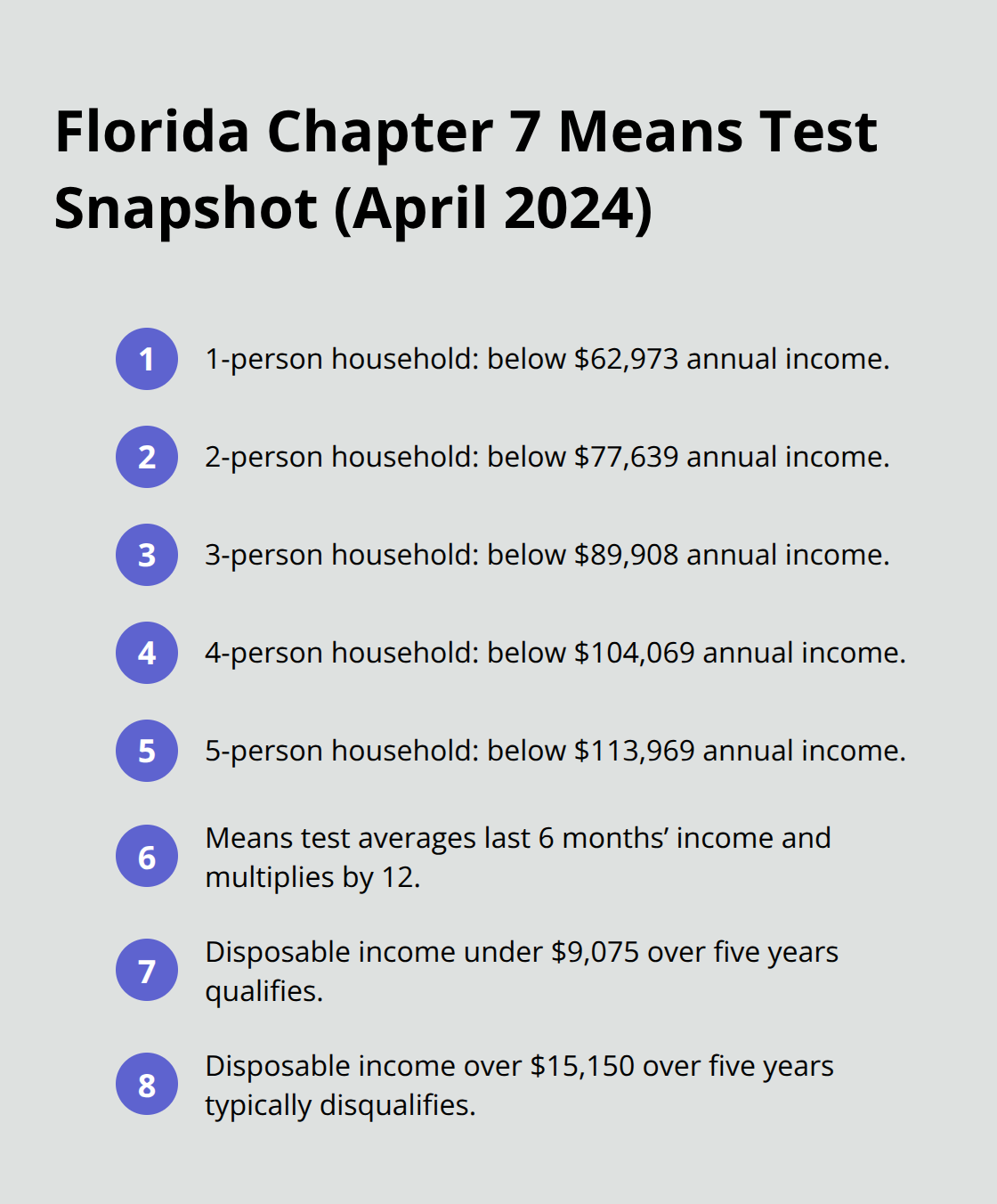
Florida sets specific income thresholds that determine Chapter 7 eligibility. As of April 2024, single-person households must earn below $62,973 annually, while two-person households face a $77,639 limit. Three-person households have an $89,908 threshold, four-person households $104,069, and five-person households $113,969. The means test calculates your average monthly income over six months, then multiplies by 12. Income above these limits triggers additional tests of your disposable income over five years-less than $9,075 qualifies you for Chapter 7, while more than $15,150 typically disqualifies you.
Timeline and Asset Protection Process
Most Chapter 7 cases complete within four months from the initial petition to debt discharge. Florida offers generous exemptions that protect your primary residence with unlimited equity (if you’ve owned it for at least 1,215 days before the petition). Vehicle equity up to $5,000 receives protection, plus a $4,000 wildcard exemption for personal property.
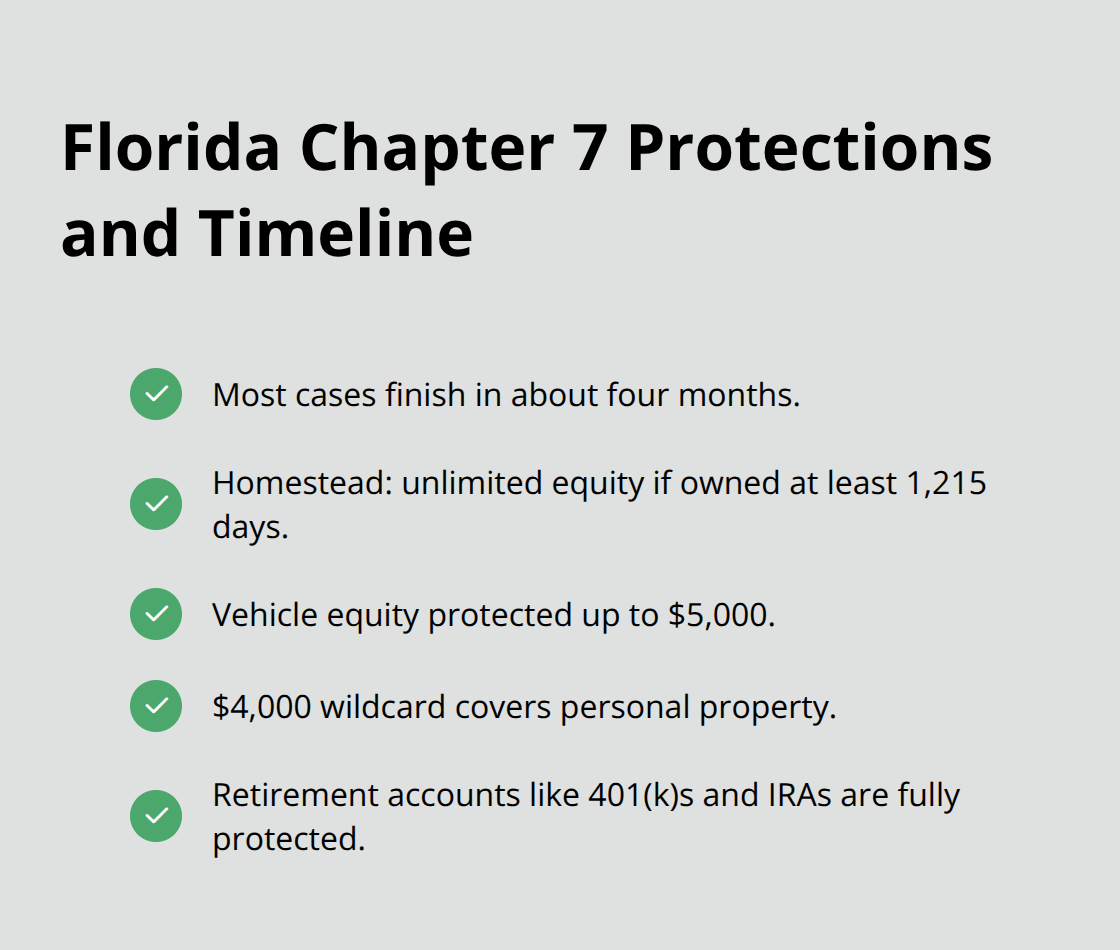
Retirement accounts like 401(k)s and IRAs remain completely protected.
The trustee will sell non-exempt assets to pay creditors, but Florida’s exemptions allow most petitioners to keep their essential assets while they eliminate overwhelming debt burdens. These protections make Florida one of the most debtor-friendly states for Chapter 7 cases, but specific circumstances determine whether this bankruptcy chapter provides the best solution for your financial situation.
When Chapter 7 Bankruptcy Makes Sense in Florida
High-Income Earners Can Still Qualify
Many Florida residents mistakenly believe high income automatically disqualifies them from Chapter 7 bankruptcy. The means test allows significant deductions that can push even higher earners into qualification territory. Secured debt payments like mortgages and car loans reduce your disposable income calculation. Court-ordered child support, alimony, health insurance premiums, and required employer contributions all count as deductions. If your calculated disposable income over five years falls below $9,075, you qualify regardless of your gross income level.
Unsecured Debt Creates the Perfect Chapter 7 Scenario
Chapter 7 works best when most of your debt burden consists of unsecured obligations. Credit card debt, medical bills, personal loans, and old utility bills receive complete discharge without payment. The Florida Bar confirms these represent the most common discharged debts in Chapter 7 cases. However, secured debts like mortgages and car loans survive bankruptcy unless you surrender the collateral. Student loans, child support, recent taxes, and criminal fines also remain after discharge.
Immediate Relief Situations Favor Chapter 7
Chapter 7 provides immediate protection when creditors pursue aggressive collection tactics. Wage garnishments stop instantly upon petition, and creditors cannot continue lawsuits or contact you directly. This automatic stay gives relief that Chapter 13’s three-to-five-year payment plans cannot match. Florida residents who face foreclosure, repossession, or garnishment should consider Chapter 7 if they meet income requirements. The four-month process resolves financial stress faster than any debt consolidation or settlement arrangement.
Business Debt Exceptions Expand Eligibility
Business owners who incurred debt for profit purposes can bypass the means test entirely under federal bankruptcy law. This exception applies whether your business succeeded or failed (as long as you incurred the debt with profit intent). Disabled veterans with at least 30% disability ratings also skip means test requirements if they incurred debts during active duty service. These exceptions significantly expand Chapter 7 access beyond standard income limits.
While Chapter 7 offers powerful debt relief, the process involves potential asset loss that varies dramatically under Florida’s exemption laws.
Potential Drawbacks and Considerations in Florida
Non-Exempt Property Faces Trustee Sale
Florida’s generous exemptions protect most assets, but trustees sell non-exempt property to pay creditors. Cash above exemption limits, investment accounts outside retirement plans, and second homes face liquidation. Luxury items like boats, expensive jewelry, or collectibles worth significant amounts typically face seizure unless they fall under the $4,000 wildcard exemption.
Trustees also target business assets, stock portfolios, and rental property equity. However, most Florida residents keep their primary residence, one vehicle up to $5,000 equity, and essential personal belongings. The key lies in understanding which assets qualify for protection before you file the petition.
Credit Score Impact Lasts Seven to Ten Years
Chapter 7 bankruptcy appears on credit reports for ten years from the petition date. Credit scores typically drop 130-200 points initially, according to FICO data. However, many filers see scores recover to the mid-600s within two years through responsible credit rebuilding.
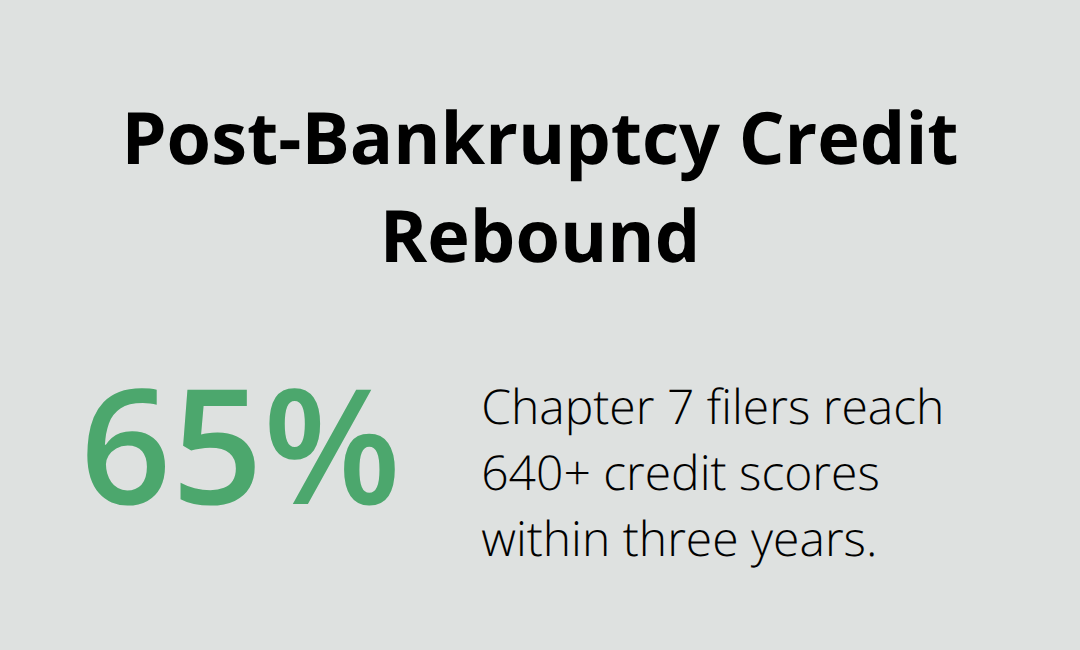
Secured credit cards, small installment loans, and consistent payment history accelerate recovery. Mortgage qualification becomes possible again after two years with FHA loans (though conventional mortgages require four years). The American Bankruptcy Institute reports that 65% of Chapter 7 filers achieve credit scores above 640 within three years.
Future Borrowing Limitations Affect Financial Options
Car financing remains available immediately after discharge, though interest rates start higher. Credit card companies often approve secured cards within months of discharge, but unsecured credit takes longer to obtain. Personal loans carry higher rates and stricter terms for several years after bankruptcy.
Florida’s unlimited homestead exemption means many filers retain their homes, maintaining housing stability during credit recovery. The temporary credit impact often proves worthwhile when weighed against years of minimum payments on dischargeable debt that would never decrease the principal balance.
Employment and Housing Considerations
Some employers conduct credit checks during hiring processes, particularly for financial positions or security clearances. Landlords may require larger deposits or co-signers when they discover bankruptcy history on credit reports. However, federal law prohibits government employers from discriminating based solely on bankruptcy filings.
Final Thoughts
Chapter 7 bankruptcy in Florida provides powerful debt relief for residents who face overwhelming financial burdens. The state’s generous exemptions protect your home, vehicle, and retirement accounts while they eliminate most unsecured debts within four months. The decision requires careful consideration of income limits, potential asset loss, and long-term credit impacts.
The means test determines eligibility, but many Florida residents qualify even with higher incomes due to allowable deductions. Credit scores recover within two to three years for most filers (which makes the temporary impact manageable compared to years of minimum payments on dischargeable debt). If you ask yourself “Should I file for Chapter 7 bankruptcy?” the answer depends on your specific financial situation.
Complex income calculations, exemption planning, and timing considerations make professional guidance valuable. We at Harnage Law, PLLC help Florida families navigate the bankruptcy process, stop creditor harassment, and protect assets while they achieve debt discharge. The bankruptcy process involves strict deadlines and detailed documentation requirements that can affect your case outcome, so professional legal guidance helps you avoid costly mistakes and maximize the benefits of Florida’s debtor-friendly exemption laws.