
Chapter 7 bankruptcy offers Florida residents a fresh financial start by eliminating most unsecured debts within months. The process involves strict eligibility requirements and complex legal procedures that can overwhelm individuals without proper guidance.
We at Harnage Law, PLLC understand that choosing the right lawyer for bankruptcy Chapter 7 cases makes the difference between a smooth discharge and costly mistakes.
Who Qualifies for Chapter 7 Bankruptcy in Florida
Income Limits and Eligibility Thresholds
Florida residents must pass the means test to qualify for Chapter 7 bankruptcy. This test compares your household income to the state median. For 2024, Florida’s median household income stands at $64,329 for a single person, $73,838 for two people, $84,805 for three people, and $97,336 for four people according to Census Bureau data.
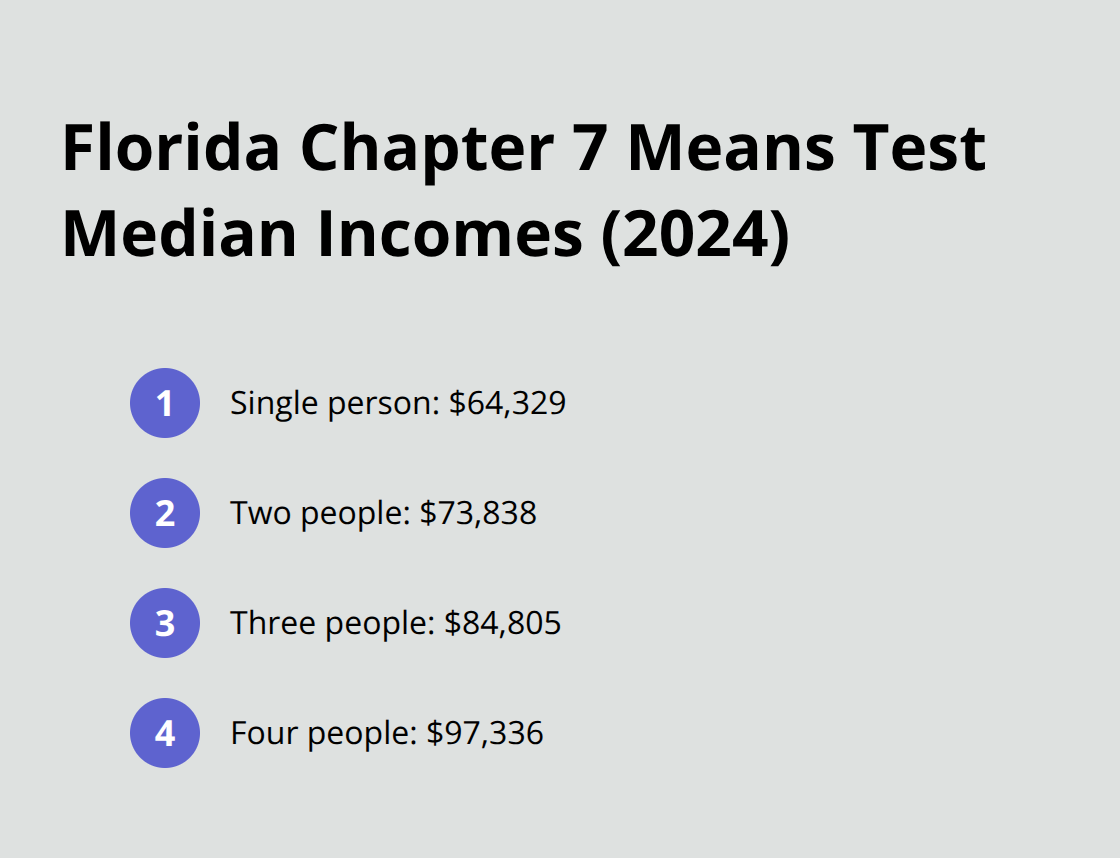
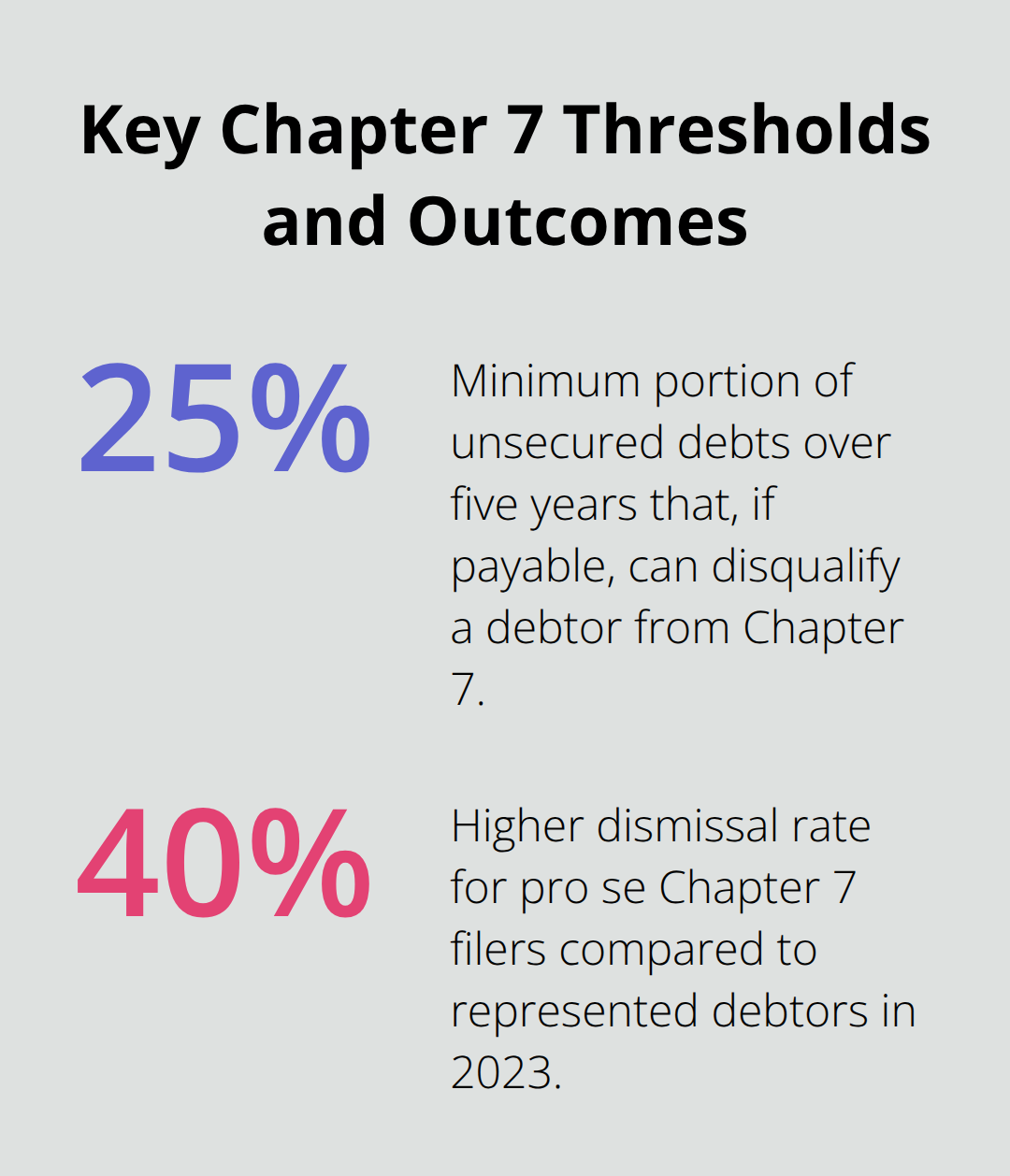
Income below these thresholds grants automatic qualification. Higher earners can still qualify if their disposable income after allowed expenses falls below $8,175 annually or they cannot pay at least 25% of unsecured debts over five years.
Debt Types That Get Eliminated
Chapter 7 wipes out most unsecured debts. Credit cards, medical bills, personal loans, and old utility bills disappear through the discharge process. However, certain debts survive bankruptcy and continue to follow you.
Student loans, recent tax debts less than three years old, child support, alimony, and debts from drunk driving accidents cannot be discharged. Criminal fines and court-ordered restitution also remain your responsibility after bankruptcy. Secured debts like mortgages and car loans receive special treatment-you can keep the property through continued payments or surrender it to eliminate the debt.
The Means Test Calculation Process
The means test uses IRS expense standards to determine your allowable monthly expenses, not your actual spending patterns. The calculation includes housing costs, transportation expenses, food allowances, and other necessary living expenses based on your county and household size.
Monthly disposable income exceeding $215 creates presumed abuse and likely prevents Chapter 7 filing. The test examines your average income over the six months before filing (making strategic timing important for eligibility). Understanding these calculations helps determine whether you qualify for Chapter 7 or must consider Chapter 13 alternatives.
With eligibility requirements clear, the next step involves understanding how professional legal representation can protect your interests and maximize the benefits of Chapter 7 bankruptcy.
Why Legal Representation Matters in Florida Bankruptcy
Complex Filing Requirements and Strict Deadlines
Chapter 7 bankruptcy demands completion of 22 different forms and schedules with absolute precision. Debtors must pay the $338 filing fee within 14 days of electronic submission, and courts dismiss cases when filers miss this deadline. Florida bankruptcy courts processed over 45,000 Chapter 7 cases in 2023 according to Administrative Office of the U.S. Courts data, with pro se filers experiencing dismissal rates 40% higher than represented debtors.
Attorneys complete the mandatory credit counseling certificate submission, creditor matrix preparation, and Statement of Financial Affairs documentation. The 341 meeting of creditors occurs within 21-40 days after filing and requires proper preparation to avoid complications. Courts automatically dismiss cases when debtors fail to submit required documents within specified timeframes, and dismissed filers cannot refile immediately.
Asset Protection Through Strategic Exemption Planning
Florida provides unlimited homestead exemptions for properties up to half an acre in municipalities or 160 acres elsewhere, but debtors must live in Florida for 730 days to claim state exemptions. Without proper legal guidance, debtors often lose $5,000 vehicle exemptions or the $4,000 wildcard exemption through improper asset classification. Bankruptcy trustees recovered $1.2 billion in nonexempt assets nationally in 2023, with much of these losses preventable through proper exemption planning.
Married couples can double most exemption amounts on jointly owned property, but this requires specific documentation and filing strategies. Retirement accounts (including 401(k)s and IRAs) receive federal protection up to $1,711,975, while Social Security and veterans benefits remain completely exempt. Attorneys identify pre-filing strategies to maximize exemptions legally, such as converting nonexempt assets into protected categories before filing.
Professional Management of Creditor Communications
Attorneys handle all creditor communications once they file the bankruptcy petition, which immediately triggers the automatic stay under 11 U.S.C. § 362. This legal protection stops collection calls, wage garnishments, and foreclosure proceedings. Creditors who violate the automatic stay face sanctions and potential damages (making attorney representation valuable for enforcement).
The legal filing process involves multiple stages where professional guidance becomes essential for successful debt discharge and asset protection.
What Happens During the Chapter 7 Filing Process
Attorney Consultation and Financial Analysis
The initial consultation with a bankruptcy attorney involves a comprehensive review of your financial situation. Attorneys verify income, analyze debts, and evaluate assets during this meeting. They calculate your exact means test results and determine which exemptions apply to your specific circumstances.
Attorneys identify potential issues that could complicate your case during consultation. Recent large payments to creditors or property transfers might trigger fraud concerns. Most attorneys require complete financial documentation including tax returns, pay stubs, bank statements, and a detailed creditor list with balances and account numbers.
The consultation covers timing strategies since certain financial transactions can trigger trustee scrutiny. Attorneys help you understand when to file for optimal results and case protection.
Document Preparation and Court Submission
Attorneys prepare and file the mandatory 22 forms and schedules required for Chapter 7 bankruptcy. These documents include the petition, Statement of Financial Affairs, and creditor matrix that lists all debts. The court requires precise completion of each form to avoid delays or dismissals.
The $338 filing fee must be paid within 14 days of electronic submission. Attorneys coordinate the submission of your pre-filing credit counseling certificate from an approved agency. They handle all technical requirements and deadlines that courts strictly enforce.
Automatic Stay Protection and Immediate Relief
The automatic stay takes effect immediately after attorneys file your petition. This legal protection stops all collection actions, wage garnishments, and foreclosure proceedings. Creditors who violate the automatic stay face sanctions and potential damages.
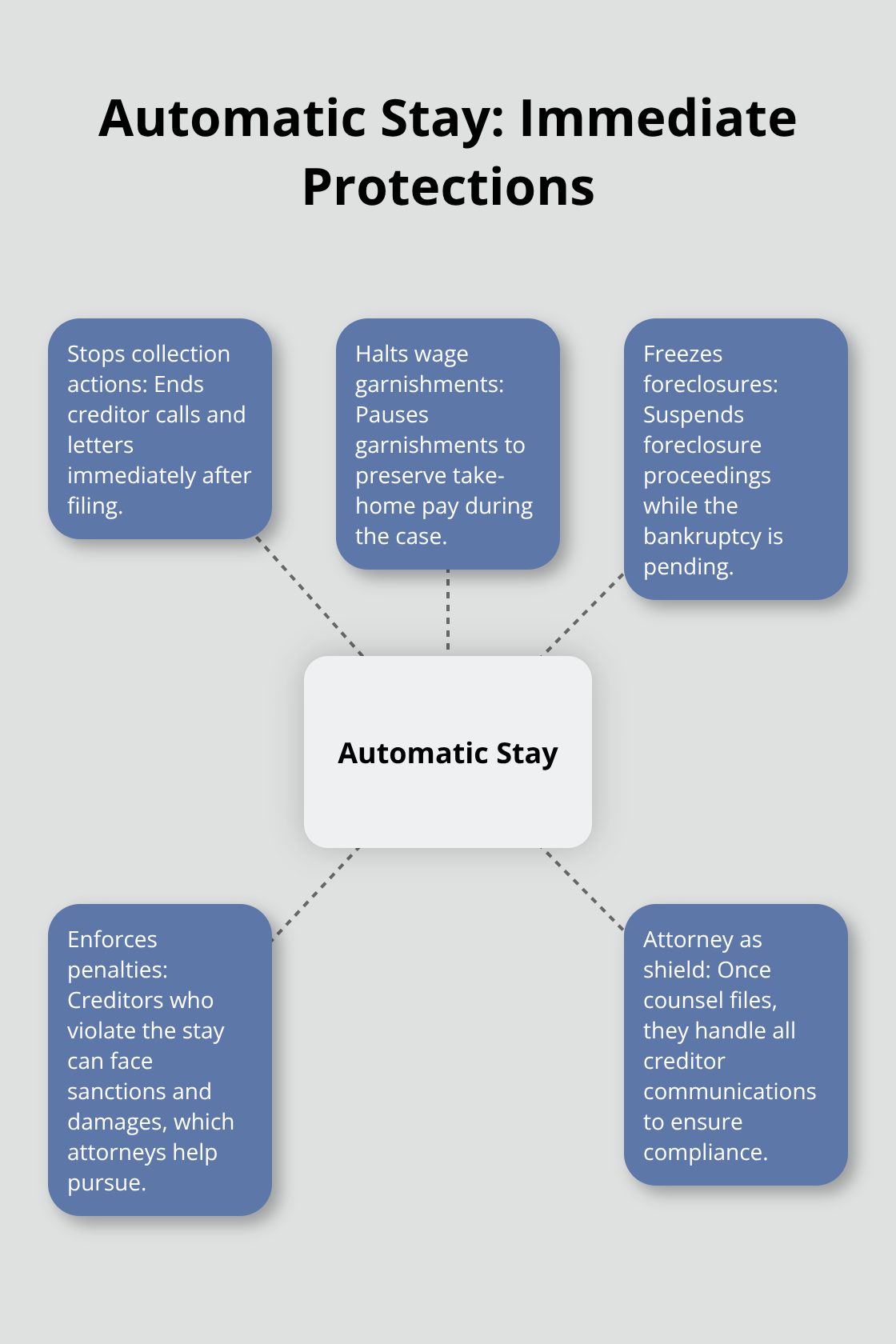
Attorneys manage all creditor communications once the case begins. They handle violation enforcement and protect your rights throughout the process (making professional representation valuable for immediate debt relief).
Meeting of Creditors and Trustee Review
The court schedules your 341 meeting of creditors within 21-40 days after case submission. The bankruptcy trustee reviews your case under oath and asks questions about your financial affairs. Trustees examine nonexempt assets for potential liquidation during this meeting.
Attorneys prepare clients for common trustee questions and handle disputes about asset valuations or exemption claims. They represent your interests and address any complications that arise during trustee review.
Final Thoughts
Chapter 7 bankruptcy in Florida requires debtors to pass the means test, complete 22 required forms, and meet strict court deadlines. The process starts with income verification against state median thresholds and moves through document preparation, automatic stay protection, and the 341 meeting of creditors. Professional legal representation protects assets through strategic exemption plans and handles all creditor communications during the case.
The complexity of bankruptcy law makes attorney guidance valuable for Florida residents who face financial hardship. A qualified lawyer bankruptcy Chapter 7 can identify optimal timing strategies, maximize exemptions, and prevent costly mistakes that lead to case dismissal (which affects over 40% of pro se filers). We at Harnage Law, PLLC help clients discharge qualifying debts while protecting their assets throughout the bankruptcy process.
Florida residents who consider bankruptcy should gather financial documents including tax returns, pay stubs, and creditor information before consultation. Contact our firm to discuss your specific situation and learn how Chapter 7 bankruptcy can provide the fresh financial start you need. Professional representation makes the difference between successful debt discharge and costly procedural errors.
