
Filing for Chapter 7 bankruptcy in Florida triggers an automatic stay that immediately stops creditors from pursuing collection actions against you. This legal protection is one of the most powerful tools available when you’re drowning in debt.
The house stay after filing provides breathing room while your case moves forward. We at Harnage Law, PLLC want you to understand exactly what this protection covers and where its limits lie.
What Triggers the Automatic Stay and How It Works in Florida
The automatic stay activates the moment you file your Chapter 7 petition with the bankruptcy court in Florida. This is not something that requires a judge’s approval or a waiting period. Federal law, specifically 11 U.S.C. § 362, creates this protection instantly. The court clerk stamps your filing, and creditors lose the legal right to pursue collection actions against you. This immediate halt applies to foreclosures, wage garnishments, lawsuits, and collection calls. The stay is a court order, not a request. Violating it carries serious consequences for creditors, including potential sanctions and attorney fees.
The Breadth of Automatic Stay Protection
What makes this protection so powerful is its breadth. The stay stops most creditor actions across the board, not just one or two. Foreclosure proceedings halt because the lender cannot legally move forward with a sale while the stay is in effect. Wage garnishments stop immediately, which means more money stays in your paycheck. Bank account levies cannot proceed. Utility disconnections are prevented for approximately 20 days, giving you time to arrange account modifications without immediate service loss.
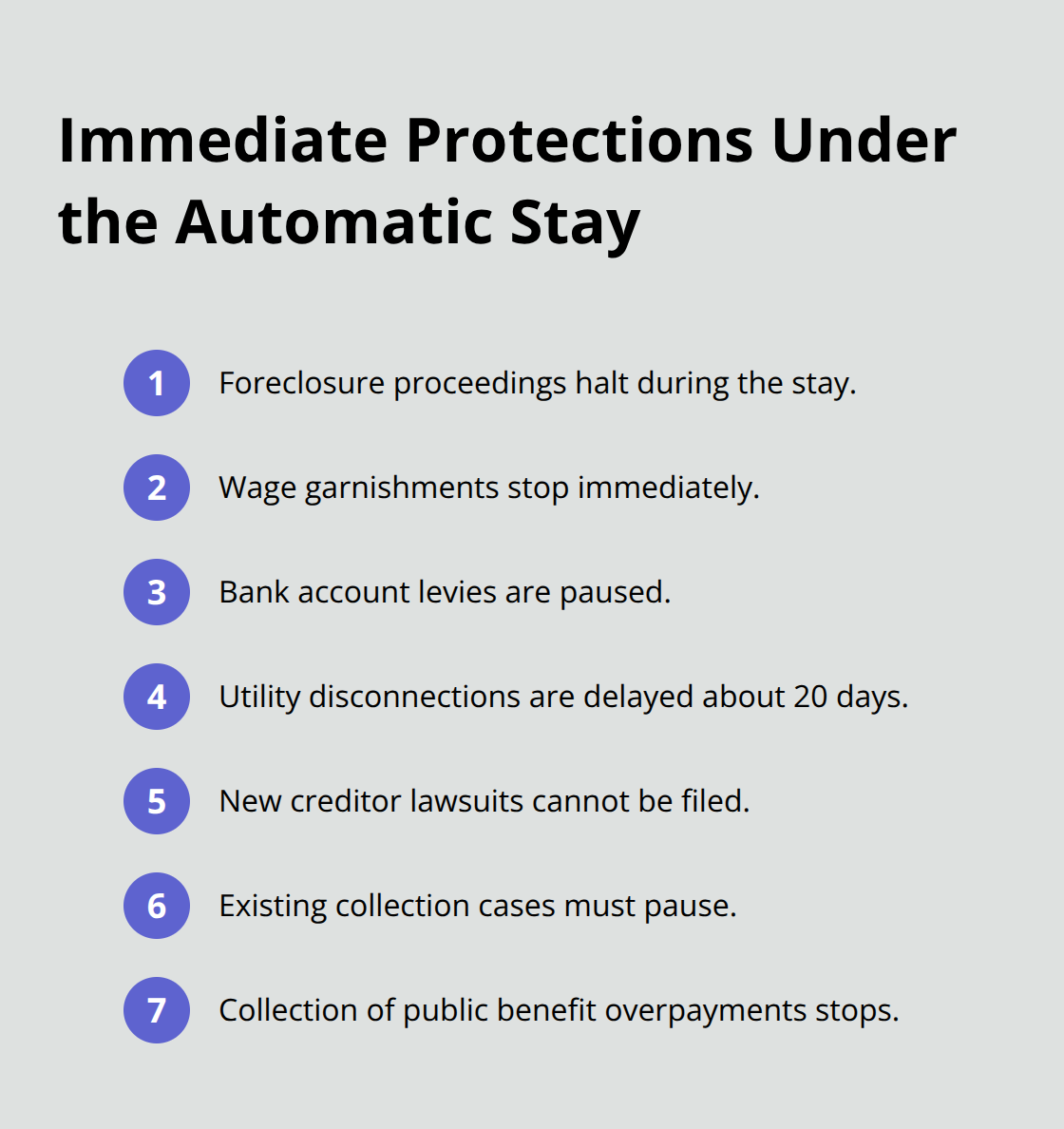
Creditors cannot file lawsuits against you or continue existing collection cases. The stay also stops collection of overpayments from public benefits, preventing reductions from your Social Security or unemployment payments. These protections apply regardless of the debt amount or creditor type, whether dealing with credit card companies, medical providers, or mortgage lenders.
Evictions and Foreclosures Under the Stay
Eviction actions pause, though Florida law contains specific timing considerations that affect how long this protection lasts depending on whether a possession judgment already exists. The stay does not eliminate your debts, but it creates space to work through the bankruptcy process without constant pressure from creditors. Understanding this distinction helps you plan your next moves strategically.
Actions That Fall Outside the Automatic Stay
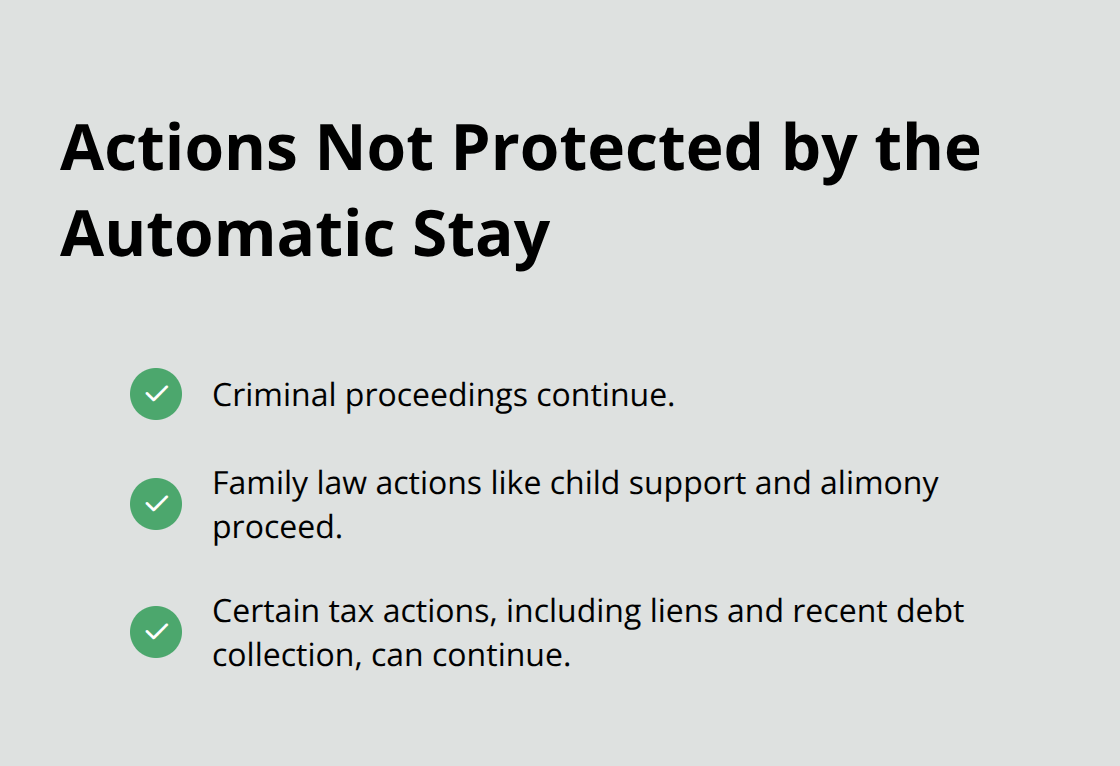
Three categories of actions fall outside the stay’s protection. Criminal proceedings continue unaffected because bankruptcy cannot shield you from criminal charges or prosecution. Family law matters proceed normally, including actions to establish or modify child support and alimony obligations. Certain tax actions bypass the stay, particularly those involving tax liens or ongoing collection of recent tax debts.
Repeat Filings and Stay Duration Limits
If you have filed for bankruptcy more than once within the past year, your stay duration becomes limited. The Bankruptcy Abuse Prevention and Consumer Protection Act of 2005 imposes a 30-day automatic stay for repeat filers unless you present clear and convincing evidence that the new filing is made in good faith. This restriction creates a significant disadvantage for debtors facing multiple crises. Understanding these exceptions prevents unrealistic expectations about what protection you actually receive when you file. The scope of the stay matters greatly, and knowing where creditors can still act helps you prepare for what comes next in your Chapter 7 case.
How the Automatic Stay Stops Creditors in Their Tracks
The moment you file Chapter 7 in Florida, creditors lose their legal right to contact you about debts. Collection calls must stop immediately. Debt collectors who continue calling after your filing violate federal law and the automatic stay itself. You should send written notice of your bankruptcy filing to all creditors and collectors within days of filing. The Fair Debt Collection Practices Act prohibits contact after a collector receives notice of your bankruptcy, and violators face damages up to 1,000 dollars per violation plus attorney fees. Many debtors report that the silence after filing brings one of the most immediate emotional reliefs they experience. The constant ringing phone and threatening letters simply cease. This protection applies whether you owe 5,000 dollars or 500,000 dollars, and it covers credit card companies, medical providers, payday lenders, and collection agencies equally.
Foreclosure Halts Give You Months to Act
Foreclosure in Florida typically takes about 8 months to just over a year without bankruptcy intervention. Filing Chapter 7 instantly stops that clock. Your lender cannot proceed with a sale, cannot schedule a foreclosure hearing, and cannot issue a notice of trustee sale while the stay is active. This matters tremendously because it gives you months to explore your options. Some homeowners use this time to negotiate with lenders directly, though any loan modification discussions happen outside the bankruptcy case itself. The key point is that creditors cannot take your house without going back to court and obtaining relief from the automatic stay, which requires them to prove they have adequate protection or that the stay is harming them financially. This is not automatic for them.
Evictions and Possession Judgments
Evictions pause similarly, though Florida law creates complications if a possession judgment already exists before your filing. The stay halts most eviction actions, but timing matters significantly. If your landlord obtained a judgment before you filed, the stay’s protection becomes more limited. Acting quickly after receiving an eviction notice strengthens your position under the stay’s protection.
Wage Garnishments Stop Completely
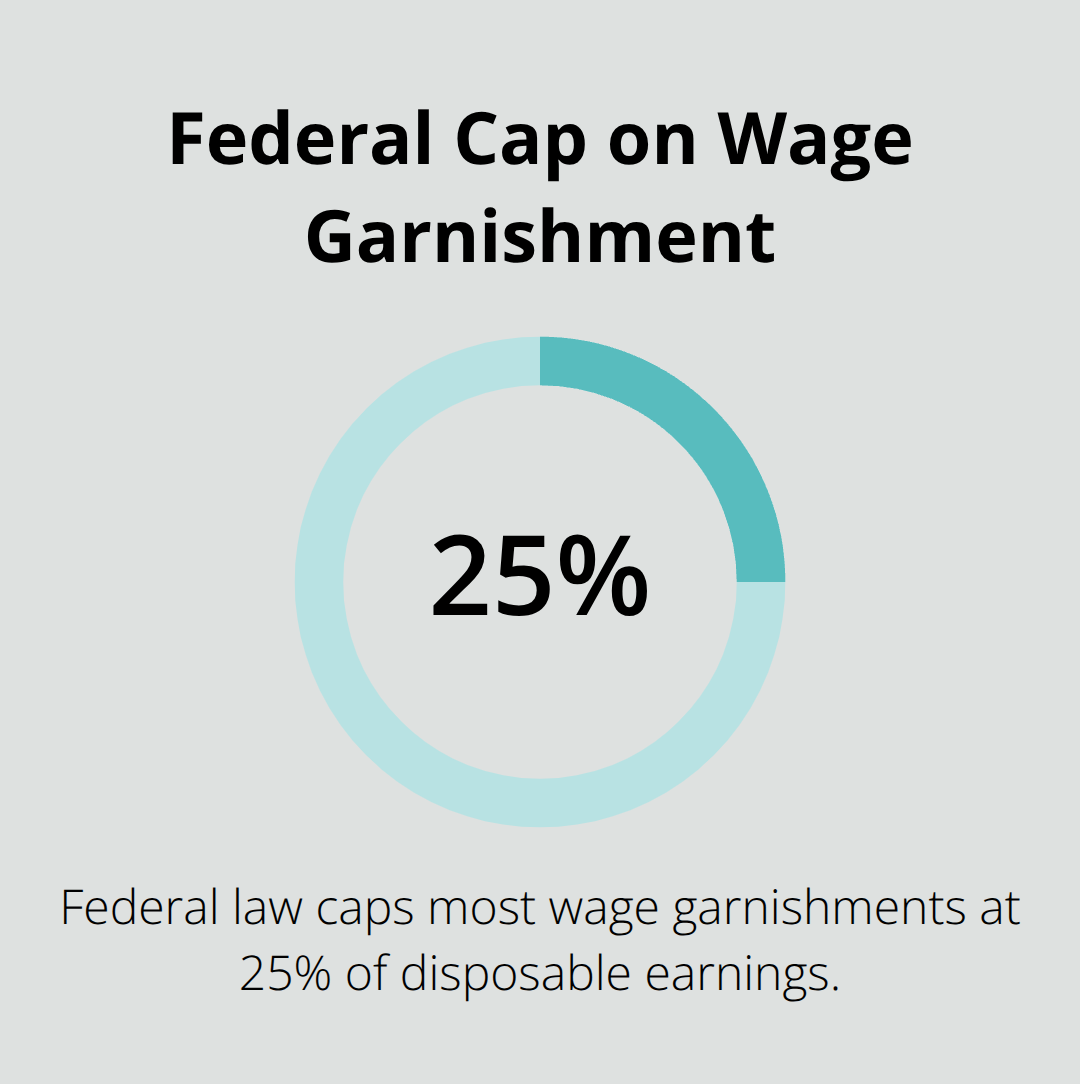
Wage garnishments stop completely and immediately upon filing. If a creditor obtained a judgment and started garnishing your wages, that garnishment ceases the moment your case is filed. Federal law limits wage garnishment to 25 percent of disposable earnings for most debts, but many debtors lose far more when multiple garnishments stack up. Chapter 7 eliminates these garnishments instantly, meaning your paycheck grows substantially during your case.
Lawsuits and Collection Actions Pause
Lawsuits against you pause as well. Creditors cannot proceed with collection lawsuits, cannot obtain new judgments, and cannot continue existing litigation while the stay protects you. This protection is absolute for unsecured debts like credit cards and medical bills. The automatic stay is not negotiable or discretionary-it is a mandatory federal protection that applies the instant your petition is filed with the court. Understanding how the stay stops these specific creditor actions helps you recognize what changes immediately in your financial life. The next section examines what happens when creditors attempt to work around these protections and seek relief from the stay itself.
Where the Automatic Stay Doesn’t Protect You
The automatic stay is powerful, but it has hard boundaries. Three categories of legal actions continue regardless of your Chapter 7 filing, and understanding these exceptions prevents costly surprises. Criminal prosecution moves forward without pause because bankruptcy cannot shield you from criminal charges, fines, or sentencing. If you face DUI charges, theft allegations, or any criminal matter, the court system proceeds on its own timeline. Family law cases also bypass the stay entirely. Actions to establish paternity, modify child support, or collect alimony continue unaffected. If your ex-spouse seeks to increase child support payments or enforces an existing order, that case proceeds in family court while your bankruptcy case runs separately. This dual process creates complexity because you may face both bankruptcy obligations and family law obligations simultaneously. Certain tax actions also escape the stay’s reach. While the stay can pause some collection efforts, tax liens secured by property may still proceed, and recent tax debts involving specific types of tax collection can continue despite your filing.
When Creditors Attack the Stay Itself
Creditors can petition the court for relief from the automatic stay, which gives them permission to resume collection actions or foreclosure. The court grants relief when a creditor demonstrates lack of equity in the collateral or that the stay is causing them financial harm. For mortgage lenders, this means proving the property value has dropped below the loan balance or that you cannot afford to keep current on payments. Courts in the Southern District of Florida follow Local Rule 4001-1, which outlines the specific procedures and notice requirements creditors must follow when seeking relief from the stay. A creditor must serve proper notice on you, your attorney, and the trustee before the court will consider their motion. If you receive a notice of motion for relief from the stay, you have 14 days to file a written response identifying the motion, the creditor’s attorney, the service date, and your factual objections. Creditors cannot simply resume collection actions without court permission, but they can ask the court to lift the stay in specific circumstances. Your response matters tremendously because if you fail to respond within 14 days, the court may deem you to have consented to relief. This does not mean automatic loss of your home or property, but it removes the stay’s protection for that specific creditor.
Acting Quickly on Relief-from-Stay Motions
Many homeowners miss these deadlines because they do not understand the paperwork or assume the stay provides permanent protection. Acting quickly when you receive relief-from-stay paperwork is critical. You should present evidence of adequate protection, such as your commitment to remain current on mortgage payments or the genuine equity you maintain in your home. An attorney can help you respond to these motions and present evidence that protects your interests before the court.
Repeat Filings Create Severe Stay Limitations
If you filed for bankruptcy within the past 12 months and that case was dismissed, your new Chapter 7 filing triggers automatic limitations under the Bankruptcy Abuse Prevention and Consumer Protection Act of 2005. The stay lasts only 30 days unless you present clear and convincing evidence that your new filing is made in good faith. This is an extremely high legal standard, and most debtors cannot meet it without substantial documentation. You must demonstrate that your circumstances have genuinely changed since your prior dismissal. Courts look at whether new debts have accumulated, whether your income has shifted, or whether creditor actions have intensified. Simply refiling because the first attempt failed does not satisfy the good faith requirement. If you have filed more than once within a 12-month period, the stay limitation applies to your second filing as well, lasting only 30 days unless you meet the clear and convincing evidence standard again. This creates a devastating situation for debtors facing multiple financial crises. A 30-day stay gives you minimal time to reorganize your finances or negotiate with creditors. If you find yourself in this position, the strategy must shift toward filing as quickly as possible and demonstrating concrete changes in your financial circumstances. Documentation of new debts, new creditor actions, or changed income becomes essential proof that the new filing is not frivolous.
Final Thoughts
The automatic stay in Chapter 7 bankruptcy provides immediate and comprehensive protection from creditor actions the moment you file with the court in Florida. This legal shield stops foreclosure, halts wage garnishments, eliminates collection calls, and pauses lawsuits across the board. The house stay after filing gives you breathing room to assess your financial situation and plan your next steps without constant pressure from creditors demanding payment.
However, the stay has real limits that you must understand. Creditors can petition the court for relief in specific circumstances, criminal proceedings continue unaffected, and family law obligations remain enforceable. Repeat filings within 12 months trigger severe restrictions that limit your stay to just 30 days unless you present clear and convincing evidence of good faith.
After filing Chapter 7 in Florida, notify all creditors and debt collectors in writing about your bankruptcy case and respond to any motions for relief from the stay within the 14-day deadline. We at Harnage Law, PLLC provide compassionate legal guidance throughout your entire bankruptcy process, helping you discharge qualifying debts and achieve a fresh financial start. Contact us at chapter7florida.com to discuss your situation and learn how we can help protect your assets and rebuild your financial future.
