Chapter 7 bankruptcy offers relief from many debts, but not all of them. Understanding which debts qualify for discharge is one of the most important decisions you’ll make before filing.
At Harnage Law, PLLC, we help Florida residents navigate this process by clearly identifying what gets wiped away and what stays. This guide breaks down exactly which debts you can eliminate and which ones will follow you through bankruptcy.
What Actually Gets Wiped Away in Florida Chapter 7
Unsecured Debts That Discharge Completely
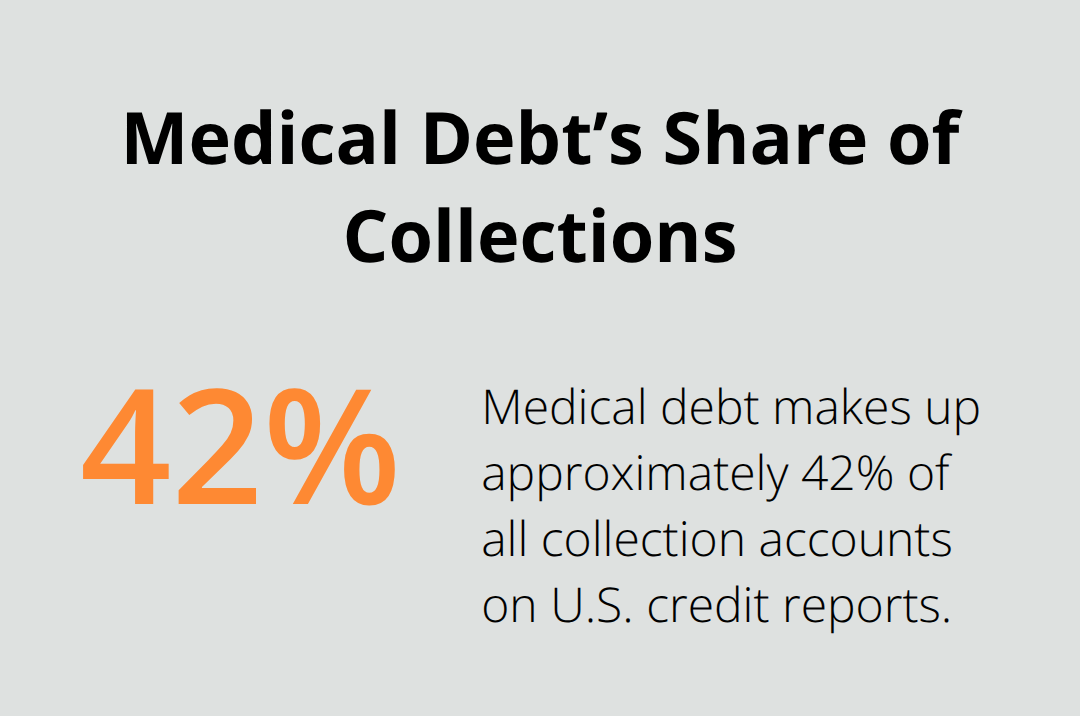
Most unsecured debts vanish in Chapter 7 bankruptcy. Credit card balances, personal loans, medical bills, and past-due utility payments all qualify for discharge under 11 U.S.C. § 726. The average American household carries over $38,000 in credit card debt according to Federal Reserve data, and Chapter 7 eliminates this entirely. Medical debt accounts for approximately 42% of all collection accounts on credit reports, yet these bills discharge completely in Chapter 7.
Rent and Utility Arrearages
Past-due rent and utility arrearages also vanish through discharge, though landlords can still evict you for nonpayment during the bankruptcy process. The discharge only eliminates your personal liability for the money owed, not the landlord’s right to remove you from the property. This distinction matters when you file-the automatic stay pauses eviction temporarily, but it does not prevent landlords from pursuing removal once the stay lifts.
Secured Debts Require Different Treatment
If you want to keep your home or car, you must continue making payments on the mortgage or car loan during bankruptcy. The discharge eliminates your personal obligation on unsecured debts, but secured debts tied to collateral work differently. Your creditors cannot pursue collection actions after discharge, and any attempt to do so violates the discharge injunction and can result in court sanctions against them.
Timeline and Creditor Notification
You typically receive your discharge about four months after filing, which gives you breathing room before creditors learn that collection efforts are permanently barred. Many Florida residents file Chapter 7 specifically to stop wage garnishments and creditor harassment immediately through the automatic stay, then receive full debt elimination months later. The discharge notice gets mailed to all creditors listed in your bankruptcy petition, formally informing them that further collection is prohibited.
Enforcement of Your Discharge Protection
If a creditor ignores the discharge and continues calling or pursuing collection, you can move to reopen your case and enforce the discharge injunction against them. This protection is permanent and covers all discharged debts for the rest of your life. Understanding which debts fall into the nondischargeable category-those that survive bankruptcy-becomes your next critical step in planning your filing strategy.
Debts That Refuse to Disappear in Florida Chapter 7
Student Loans and the Undue Hardship Standard
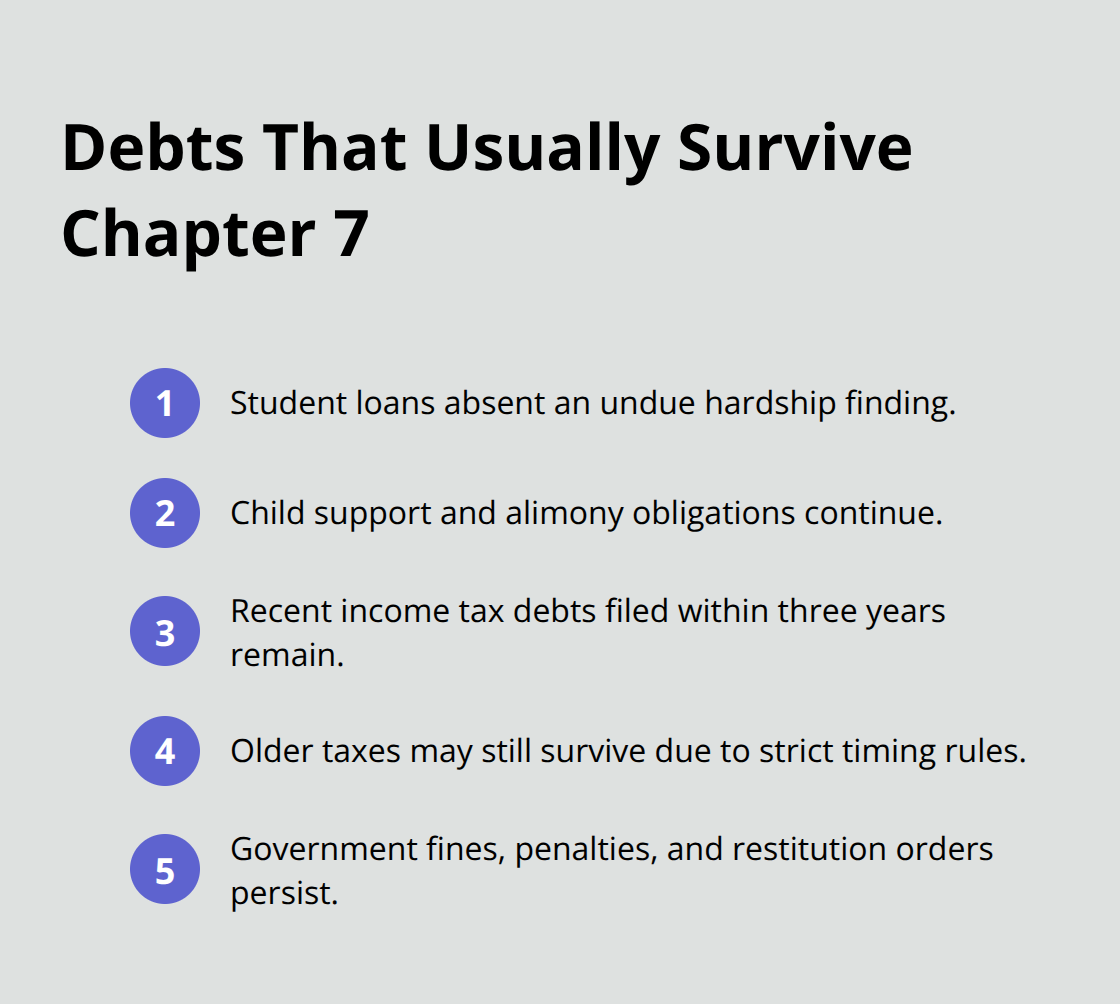
Student loan debt represents one of the most stubborn obstacles in Chapter 7 bankruptcy. Under 11 U.S.C. § 523(a)(8), student loans survive discharge unless you prove undue hardship, which courts interpret very strictly. The average borrower carrying federal student loans owes approximately $37,850 according to Federal Reserve data, and this debt follows you through bankruptcy unless you pursue a separate adversary proceeding to challenge it.
Undue hardship requires you to demonstrate three things: repaying the loan would prevent you from maintaining a minimal standard of living, this situation will persist for most of the loan term, and you made good faith efforts to repay before filing. Courts rarely grant these exceptions, so most Florida filers must accept that student loans continue after discharge.
Domestic Support Obligations That Courts Protect
Child support and alimony obligations survive Chapter 7 completely, and creditors can pursue collection actions indefinitely. These domestic support obligations take priority over most other debts, meaning your bankruptcy discharge provides zero relief here. If you owe back child support or alimony, the automatic stay pauses collection temporarily, but your personal obligation remains fully intact after discharge.
Tax Debt and Government Penalties
Recent tax debt creates another significant nondischargeable category that catches many filers off guard. Income taxes filed within the last three years before filing bankruptcy cannot be discharged under 11 U.S.C. § 507(a)(8), and even older taxes face strict timing requirements to qualify for discharge. Government fines and penalties, including criminal restitution orders and traffic citations, survive bankruptcy permanently.
Fraud and Willful Injury Claims
Debts arising from fraud resist discharge, though creditors must file an objection and prove the fraud in an adversary proceeding to keep them alive after your discharge. Willful and malicious injury to another person or their property similarly requires a creditor challenge but remains nondischargeable if proven. The critical distinction here is that these fraud and injury debts do not automatically survive-your creditors must take action to prevent discharge. If they fail to object within the deadline, even fraud-based debts can discharge.
Moving Forward With Your Filing Strategy
Understanding which debts fall into these nondischargeable categories before filing prevents surprises after your discharge appears on your credit report. This knowledge shapes whether Chapter 7 truly offers the fresh start you need and helps you determine if an alternative bankruptcy chapter might serve your situation better.
Sorting Your Debts Before Filing in Florida
Create a Complete Debt Inventory
The moment you decide to file Chapter 7, you need an accurate inventory of every debt you carry. This is not optional paperwork-it directly shapes your discharge outcome. Pull your credit reports from all three bureaus at annualcreditreport.com, which the Federal Trade Commission requires to be free once yearly. Your credit report shows account balances, creditor names, and account numbers. Cross-reference this against bank statements, collection letters, and loan documents. Many Florida filers discover debts they forgot about during this process, and that matters significantly because debts you fail to list in your bankruptcy papers cannot be discharged. The bankruptcy court requires you to file a complete schedule of liabilities with your petition, and omissions create permanent problems.
Categorize Debts Into Two Columns
Write down each debt with its balance, creditor contact information, and type-credit card, medical, student loan, tax, child support, or other. Categorize them immediately into two columns: dischargeable and nondischargeable. Medical bills, credit card balances, personal loans, and utility arrearages belong in the dischargeable column. Student loans, child support, alimony, recent tax debt, and fraud-based obligations belong in the nondischargeable column. This exercise takes two to three hours but prevents filing errors that haunt you for years.
Anticipate Creditor Objections and Challenges
Once you complete your debt inventory, understand that some creditors will challenge your discharge if they believe a debt should survive. Under 11 U.S.C. § 523(a), creditors have 60 days after the 341 meeting to object to discharge on debts they claim arose from fraud, willful injury, or breach of trust. This means you should anticipate which creditors might file objections based on your circumstances. If you made large credit purchases within 60 days before filing-over $1,150 for luxury goods-creditors can argue those charges are nondischargeable. Similarly, cash advances exceeding $1,150 taken within 60 days of filing face the same challenge.
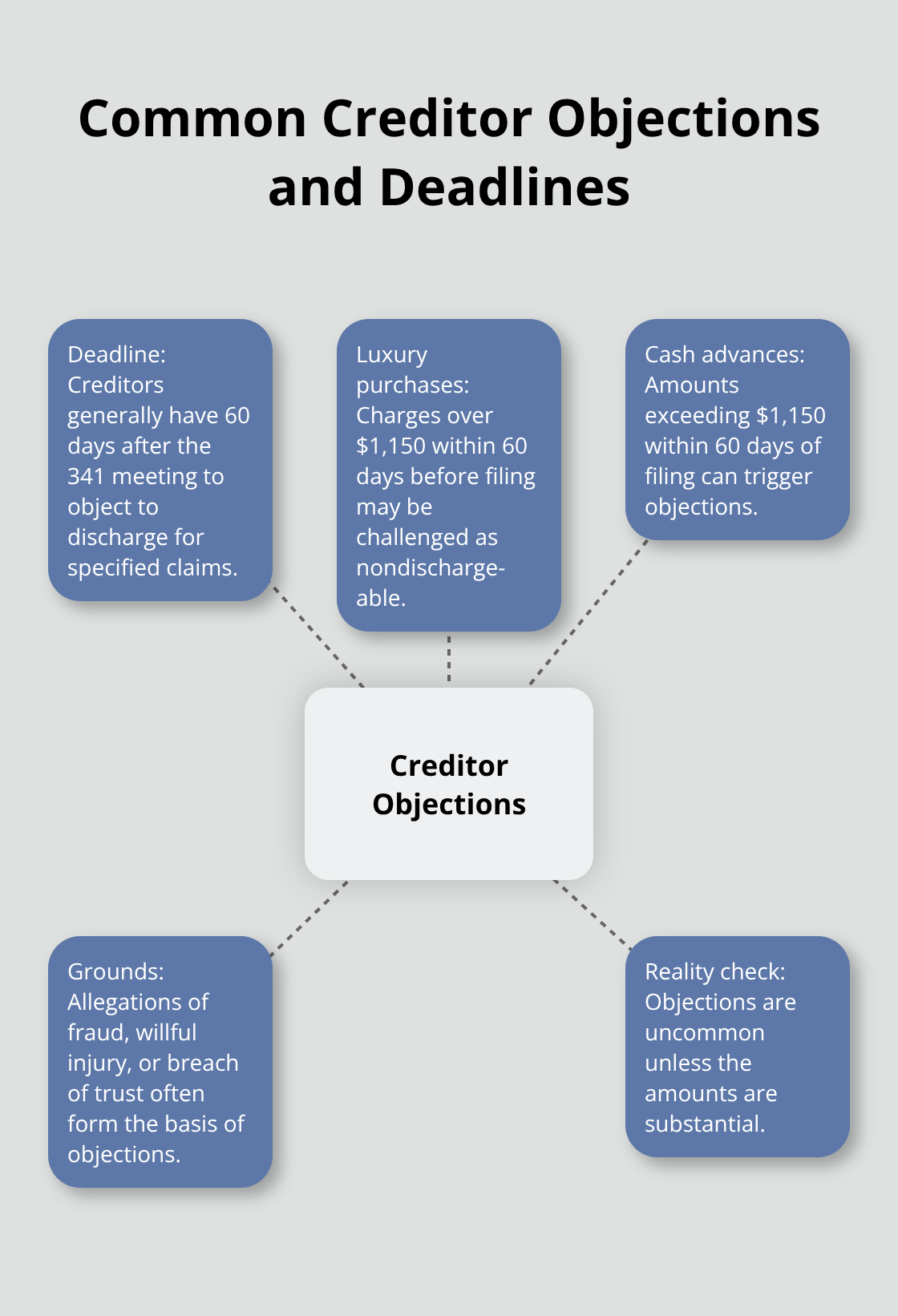
Creditors rarely pursue these objections unless amounts are substantial, but the possibility exists.
Assess Your Vulnerability Before Filing
A bankruptcy attorney can review your specific debts and flag which ones carry genuine risk of creditor objection. This assessment should happen before you file, not after, because knowing your vulnerability allows you to make informed decisions about chapter selection and timing. Some situations call for Chapter 13 instead of Chapter 7 precisely because Chapter 13 discharges a broader set of debts and lets you repay nondischargeable obligations through a court-approved plan over three to five years. The difference between these chapters can mean thousands of dollars in your pocket and years of financial stability.
Final Thoughts on Chapter 7 Debt Discharge in Florida
The difference between dischargeable and nondischargeable debts determines whether Chapter 7 bankruptcy truly solves your financial crisis or leaves you with lingering obligations. Credit card balances, medical bills, personal loans, and utility arrearages vanish completely through discharge, while student loans, child support, alimony, recent tax debt, and fraud-based debts survive bankruptcy and follow you indefinitely. Understanding your complete debt situation before filing prevents costly mistakes that compound your financial problems, and taking time now to inventory your debts and categorize them accurately positions you to make informed choices about your bankruptcy strategy.
The automatic stay stops collection actions immediately when you file, giving you breathing room from creditor harassment and wage garnishments. Your discharge arrives approximately four months later, permanently barring further collection efforts on qualifying debts. This timeline allows you to plan your financial recovery with clarity about which debts will vanish and which ones require ongoing payment.
We at Harnage Law, PLLC help Florida residents navigate Chapter 7 debt discharge by identifying which debts qualify for elimination and developing filing strategies that maximize your fresh start. If you are considering Chapter 7 bankruptcy and need clarity on your specific debt situation, contact us to discuss how we can help you achieve financial stability.