Business transitions create financial uncertainty, and your personal assets need protection during this period. When ownership changes or operations shift, Chapter 7 bankruptcy in Florida might be the right solution to eliminate personal debt and start fresh.
At Harnage Law, PLLC, we help business owners understand how filing Chapter 7 works when your company is undergoing major changes. This guide walks you through the process, timing, and practical steps to move forward.
When Should You File Chapter 7 During a Business Transition in Florida
Timing Your Filing Around Business Changes
Timing your Chapter 7 filing around a business transition requires careful planning, and waiting too long costs you thousands in creditor actions. If your business is being sold, dissolved, or restructured, your personal liability does not disappear with the company-creditors will pursue your personal assets aggressively. The American Bankruptcy Institute reports that the average business owner facing transition delays filing by six months, and during that period, wage garnishments and lawsuits often accelerate. Filing Chapter 7 before a business sale closes gives you control over the process rather than reacting to creditor pressure afterward.
How Chapter 7 Stops Collection Actions
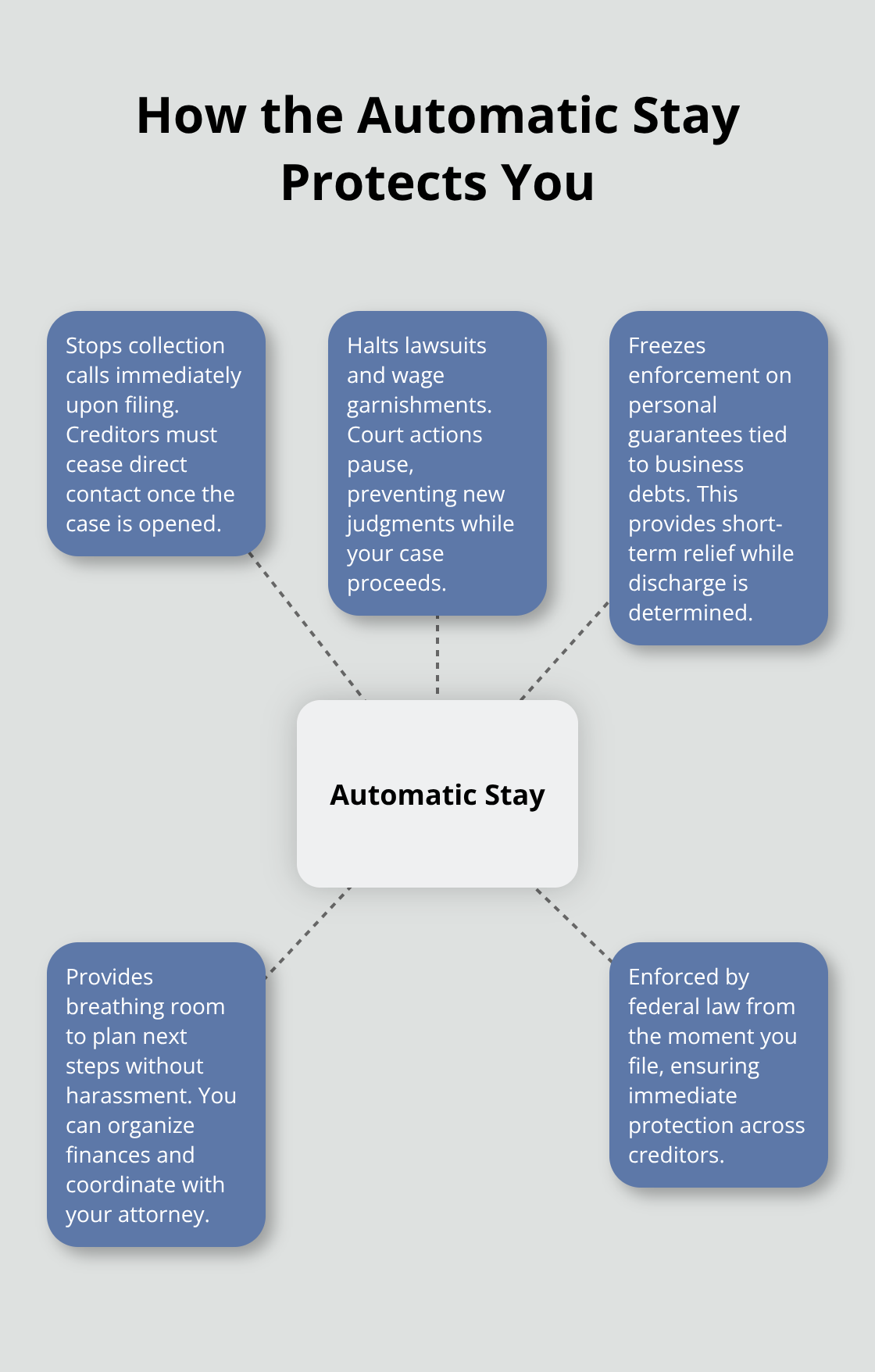
Courts in Florida generally allow Chapter 7 filers to discharge personal guarantees on business loans, credit lines, and vendor debts once the petition is filed. This action immediately stops collection calls and legal actions through the automatic stay, which federal law enforces from the moment your petition is filed. The automatic stay halts wage garnishments, lawsuits, and creditor harassment in a single stroke, giving you breathing room to plan your next steps.
Personal Liability During Business Transitions
Business transitions directly impact your personal finances in ways many owners underestimate. When you personally guaranteed a business loan or line of credit, you remain liable regardless of the company’s status-the business changing hands does not release you from that obligation. If your business generates losses during the transition period, those losses often flow to your personal tax return, increasing your overall debt burden.
Calculating Your True Debt Exposure
A business owner with $150,000 in unsecured business debt faces potential personal liability claims that can exceed $200,000 when penalties and accrued interest are factored in. These numbers grow quickly once creditors add late fees and collection costs to your original obligations. Understanding your actual exposure (not just the initial debt figure) helps you make an informed decision about filing timing and strategy.
Moving Forward with Chapter 7 Protection
Chapter 7 bankruptcy in Florida stops creditor garnishments immediately and allows you to eliminate personal debt accumulated through business operations. This protection enables you to exit the business cleanly and start your next venture without carrying forward the financial wreckage of the previous one. The next section examines how to distinguish between personal and business bankruptcy, and when business debt becomes your personal responsibility.
Personal Debt and Business Debt in Florida Bankruptcy
Understanding Personal Guarantees in Business Debt
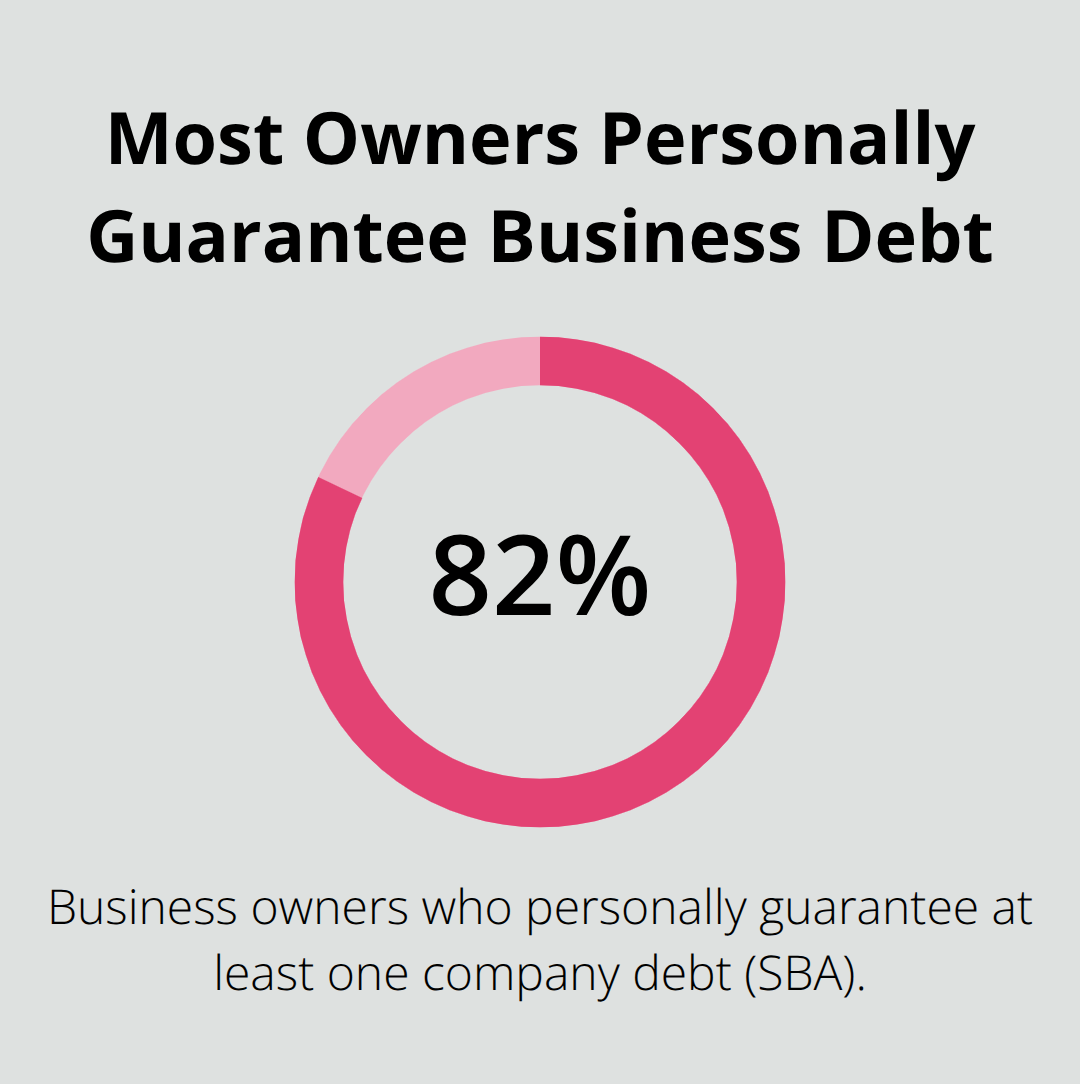
Chapter 7 bankruptcy treats personal and business debt differently, and this distinction determines whether filing protects you or leaves you exposed. When you personally guarantee a business loan, that debt becomes your personal liability regardless of your company’s financial status. The Small Business Administration reports that roughly 82% of business owners personally guarantee at least one company debt, which means the majority of business owners face personal exposure they may not fully recognize. Florida courts do not separate personal guarantees from business obligations-creditors pursue your personal assets, bank accounts, and wages to satisfy guaranteed business debts.
How Business Transitions Trigger Personal Liability
The moment your business transitions, your personal liability accelerates rather than decreases. If you co-signed a business line of credit, personally guaranteed equipment leases, or pledged personal assets as collateral, those obligations follow you through any ownership change or dissolution. During a business sale, for example, the new owner assumes the business but you remain liable on personal guarantees unless the creditor explicitly releases you-and creditors rarely grant releases without full payment. This reality catches many business owners off guard during transitions.
Identifying Which Debts Qualify for Discharge
Chapter 7 allows you to discharge personal guarantees, eliminating your obligation to repay debts that originated from business operations. A business owner with $75,000 in personally guaranteed vendor debt and $50,000 in personal credit lines accumulated during business struggles can eliminate both through Chapter 7, provided the debts qualify for discharge. The distinction matters because filing too late leaves you vulnerable to judgment liens that survive bankruptcy, while filing at the right moment protects your assets and gives you a genuine fresh start.
Taking Action Before Creditors Act
Identifying which debts are actually personal liabilities prevents costly mistakes during the filing process. At Harnage Law, PLLC, we help business owners distinguish between debts that discharge and those that do not, ensuring your Chapter 7 petition addresses your actual financial exposure. This clarity becomes essential as you prepare the financial documentation required for your bankruptcy petition.
Practical Steps for Filing Chapter 7 During Business Transition in Florida
Collect Financial Documentation Immediately
Start collecting financial documents now, not weeks before you plan to file. The bankruptcy court requires detailed records covering the past 60 months, and business owners need significantly more documentation than individual filers because creditors will scrutinize your personal guarantees closely. Pull together business tax returns for the last three years, personal tax returns for the same period, bank statements from all personal accounts for the past two months, and a complete list of creditors with amounts owed and account numbers.
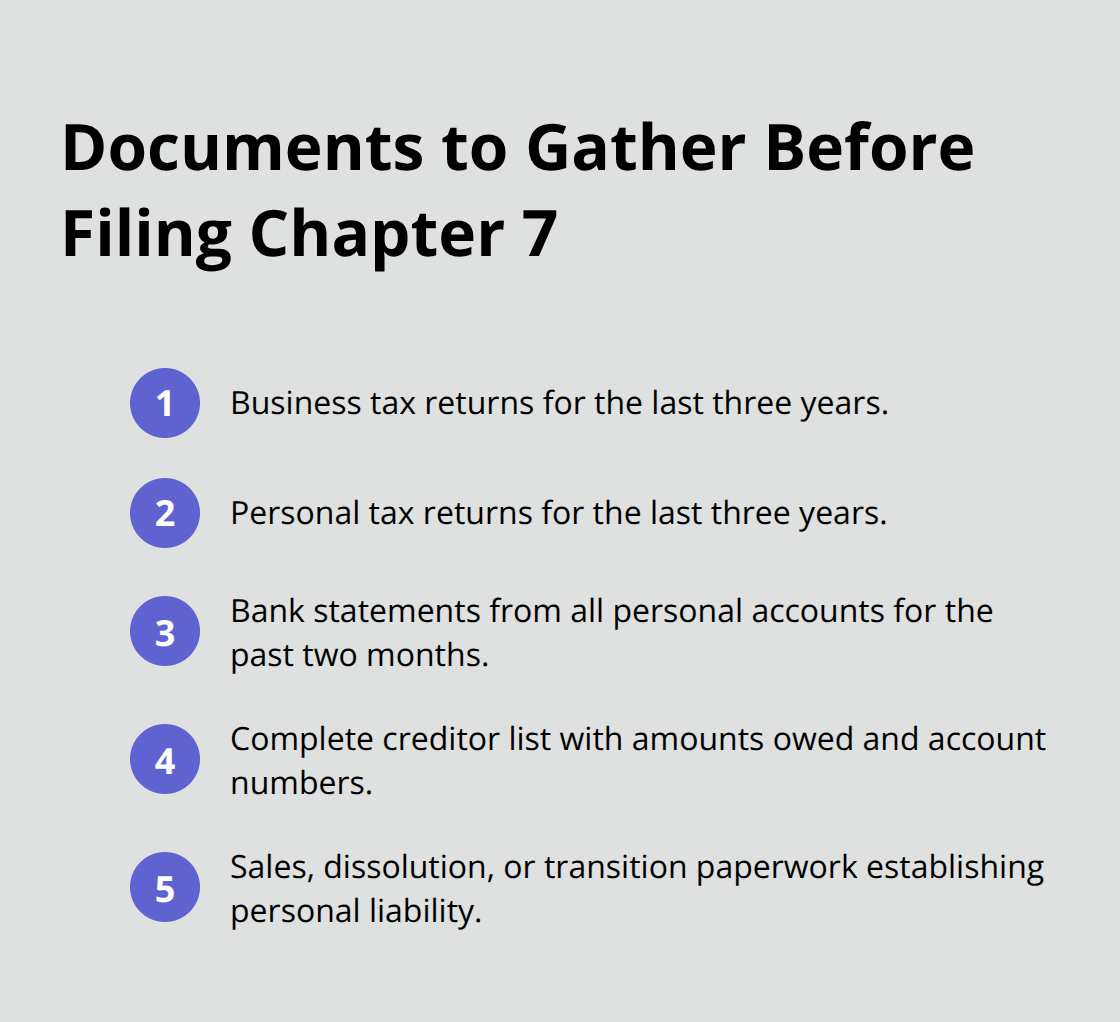
If your business is being sold or restructured, gather the sales agreement, partnership dissolution documents, or any formal transition paperwork that establishes your personal liability. The U.S. Courts Administration reports that incomplete financial documentation delays bankruptcy proceedings by an average of 45 days, costing filers thousands in additional creditor actions during that waiting period.
Create a Comprehensive Creditor List
Create a spreadsheet listing every creditor, the original loan amount, current balance, interest rate, and whether you personally guaranteed the debt. This single document becomes your roadmap for understanding which debts discharge through Chapter 7 and which ones do not. Many business owners discover during this process that they owe far more than they initially thought because they failed to account for accrued interest, late fees, and collection costs that creditors have already added to their accounts.
Handle Creditor Communications Strategically
Communicate with creditors strategically once you decide to file, but never volunteer information about your bankruptcy plans beforehand. Creditors accelerate collection efforts the moment they suspect financial trouble, so filing first and notifying creditors through the court’s official channels protects you far better than warning them in advance. If creditors contact you before you file, provide only basic information and refer all inquiries to your attorney.
After you file, the automatic stay immediately stops all collection calls, letters, and lawsuits, and creditors must then communicate exclusively through the bankruptcy court. During your business transition, focus on documenting every creditor interaction and preserving records of harassment or illegal collection tactics, as these violations sometimes provide leverage during your case.
Work with a Bankruptcy Attorney Early
Meet with a bankruptcy attorney early in your business transition process rather than waiting until creditors have already filed lawsuits or obtained judgments. Judgments create liens that complicate your fresh start, so early action prevents these complications entirely. An attorney helps you understand which assets remain protected under Florida law and which ones face genuine risk, allowing you to make informed decisions about business sale timing and asset protection strategies during your transition.
Final Thoughts
Filing Chapter 7 during a business transition in Florida stops creditor actions immediately and eliminates personal debt that would otherwise follow you into your next venture. The automatic stay halts wage garnishments, lawsuits, and collection calls the moment your petition is filed, giving you genuine breathing room to plan your exit strategy. Timing matters enormously-waiting until creditors obtain judgments or liens complicates your file protection and fresh start, while filing before those actions occur preserves your assets and maximizes what you retain.
Business transitions create personal liability exposure that most owners underestimate until collection pressure forces the issue. Personal guarantees on business loans, vendor debts, and credit lines remain your obligation regardless of whether you sell the company, dissolve it, or restructure operations. Chapter 7 discharges these debts, but only if you file before creditors lock in judgments that survive bankruptcy.
Creditors accelerate collection efforts during business transitions because they recognize the vulnerability of owners managing operational changes. Filing Chapter 7 before those efforts intensify protects your personal assets and allows you to exit your business cleanly without carrying forward accumulated debt. Contact us at https://chapter7florida.com to discuss your specific situation and learn how Chapter 7 can provide the fresh start you need.