
Military service members filing Chapter 7 bankruptcy in Florida often worry they’ll lose their pensions. That fear is unfounded.
Federal law provides strong chapter protection for military retirement benefits, including the Thrift Savings Plan and Survivor Benefit Plan. We at Harnage Law, PLLC help service members understand these protections so they can discharge debts without risking their earned retirement income.
How Federal Law Protects Your Military Pension in Chapter 7 Bankruptcy
Federal Bankruptcy Code Shields Your Pension
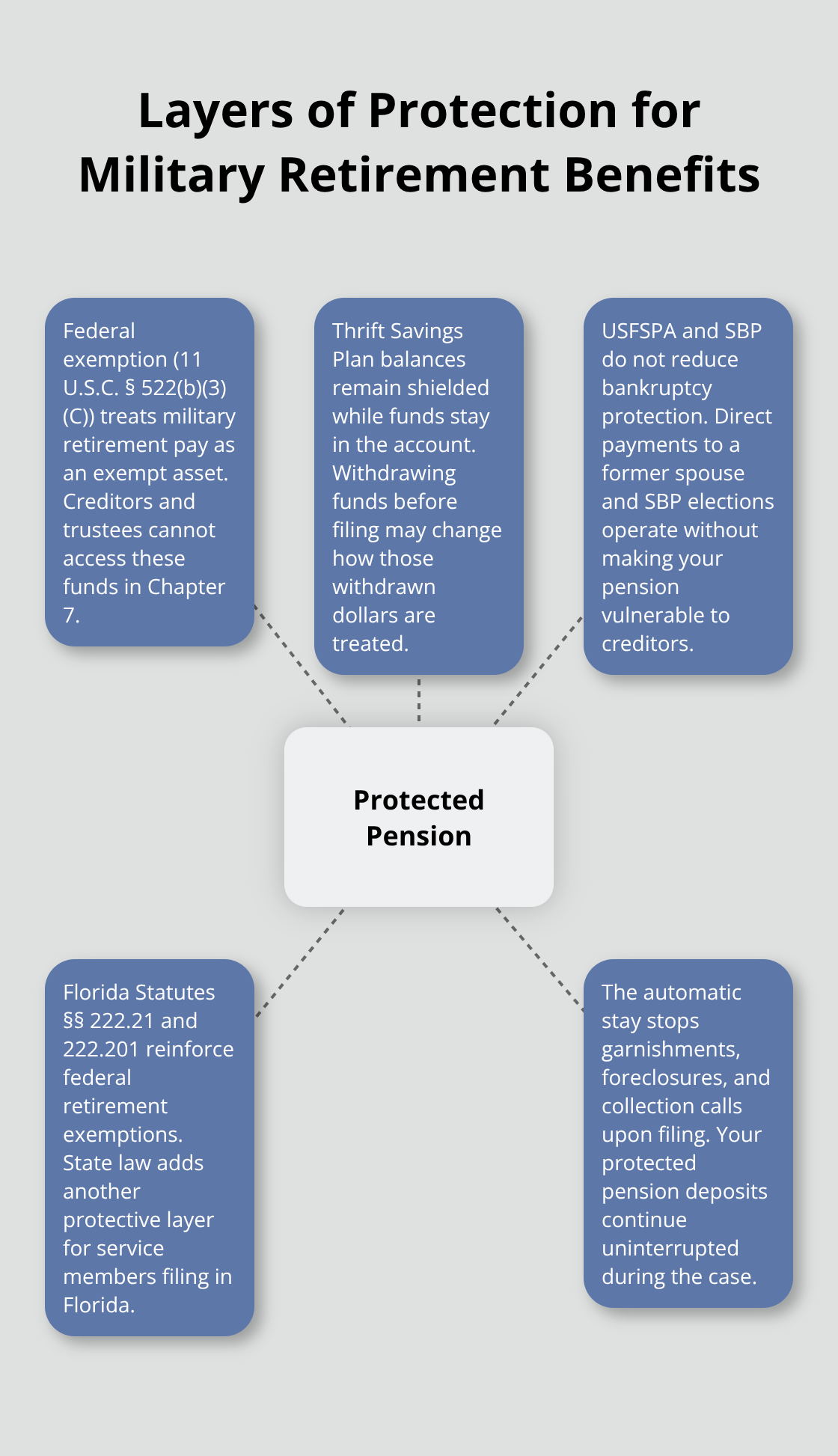
Federal law shields military pensions from creditors through multiple layers of protection that operate independently and together. The most important protection comes from the federal bankruptcy code itself. Under 11 U.S.C. § 522(b)(3)(C), military retirement pay qualifies as an exempt asset in Chapter 7 bankruptcy, meaning creditors cannot touch these funds regardless of how much debt you owe. This protection applies to both vested and non-vested portions of your pension, covering everything from basic pay to allowances earned during your service.
The Thrift Savings Plan Remains Completely Protected
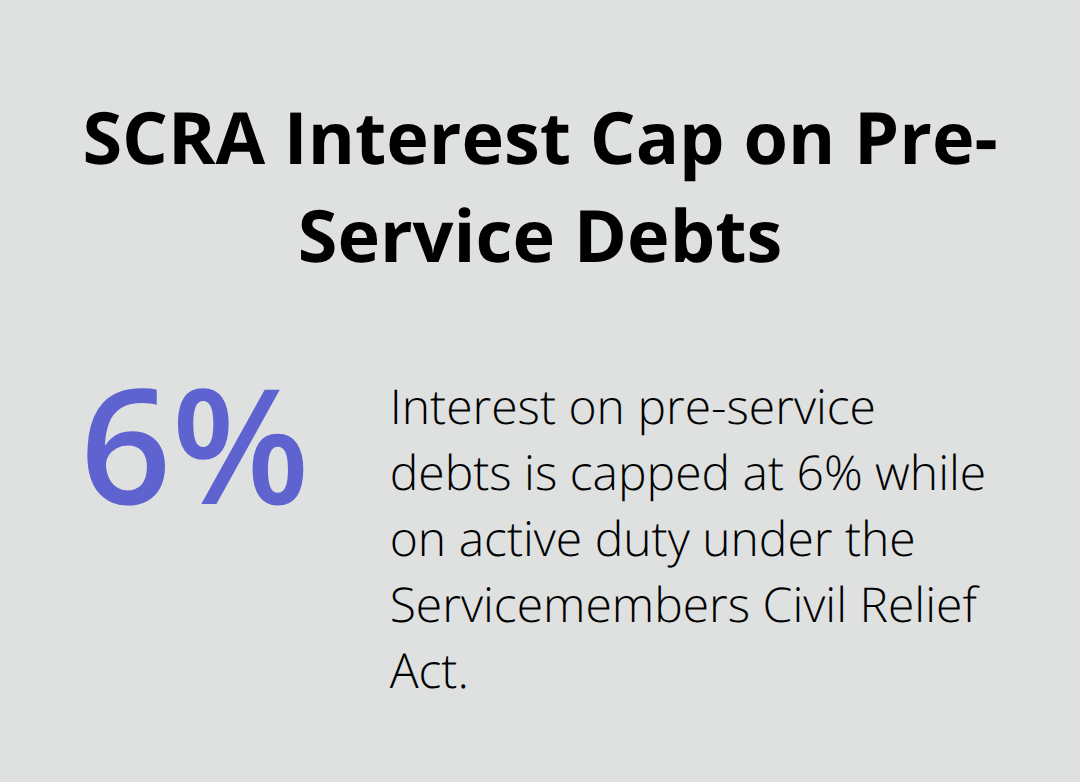
The Thrift Savings Plan, which many service members use as their primary retirement vehicle, receives the same federal exemption treatment. TSP balances remain completely protected from creditors when the funds stay within the account itself. If you withdraw money from your TSP before filing, those withdrawn funds may be treated differently, but the account balance remains shielded. The Servicemembers Civil Relief Act adds another layer by reducing interest rates on pre-service debts to 6% and giving courts the power to pause foreclosures or delay judgments when military obligations interfere with your ability to respond.
USFSPA and Survivor Benefit Plan Protection
The Uniformed Services Former Spouses Protection Act, commonly called USFSPA, addresses a specific concern many service members have about their pensions. This federal law allows former spouses to receive a portion of military retirement pay through direct payment from the military finance office, but it does not change the bankruptcy protection for the service member filing Chapter 7. Your pension remains exempt even if your former spouse has a valid USFSPA award. The Survivor Benefit Plan works similarly-if you elect SBP coverage, those payments continue to be protected in bankruptcy because they flow from your military retirement entitlements, which are federally exempt.
Florida State Law Amplifies Federal Protections
Florida state law amplifies these federal protections further. Florida Statute § 222.21 exempts all retirement accounts that maintain tax-exempt status under the Internal Revenue Code, and Florida Statute § 222.201 explicitly adopts the federal retirement exemptions. This means Florida service members get both federal and state protection working in their favor. When you file Chapter 7 in Florida, you claim these exemptions on Schedule C of your bankruptcy petition. The trustee assigned to your case cannot liquidate your pension or TSP to pay creditors because federal law makes these assets untouchable. This protection stands firm whether you are deployed, stationed overseas, or undergoing a permanent change of station.
These federal and state protections form the foundation of your financial security in bankruptcy. Understanding how they work together helps you move forward with confidence as you address the misconceptions that often surround military pensions and Chapter 7 filing.
How Chapter 7 Discharges Your Debts While Protecting Your Pension
The Means Test Separates Military Income from Pension Protection
Chapter 7 bankruptcy works differently for military service members than it does for civilians, primarily because your pension income remains completely separate from the bankruptcy estate. When you file Chapter 7, the court evaluates your income using the means test, which includes your base pay and allowances like Basic Allowance for Housing and Basic Allowance for Subsistence. However, the means test calculation does not include VA disability benefits, which stay outside the bankruptcy process entirely. This distinction matters significantly because it lowers your calculated income, making Chapter 7 discharge more achievable. The typical Chapter 7 case closes within four to six months, meaning you could have most unsecured debts like credit cards, medical bills, and personal loans completely discharged before the year ends.
Your Pension Deposits Continue Uninterrupted
During the bankruptcy process, your pension deposits continue uninterrupted into your account, and creditors lose all legal authority to pursue collection actions against you. The automatic stay, which activates the moment you file, immediately halts wage garnishment, foreclosure proceedings, and collection calls. For service members carrying significant consumer debt from PCS moves or deployment-related expenses, Chapter 7 offers the fastest path to financial relief without sacrificing retirement income.
PCS-Related Debt and Timing Considerations
If you have accumulated roughly ten thousand dollars or more in PCS-related credit card charges, Chapter 7 allows you to discharge these obligations without worrying about fraud allegations, provided you did not rack up the charges immediately before filing. Waiting at least ninety days between major charges and your filing date demonstrates that your debt accumulation was not part of a scheme to defraud creditors. Once your Chapter 7 case closes with a discharge order, creditors cannot resume collection efforts, cannot report the debt as still owed on your credit report, and cannot pursue legal action.
Rebuilding Credit After Discharge
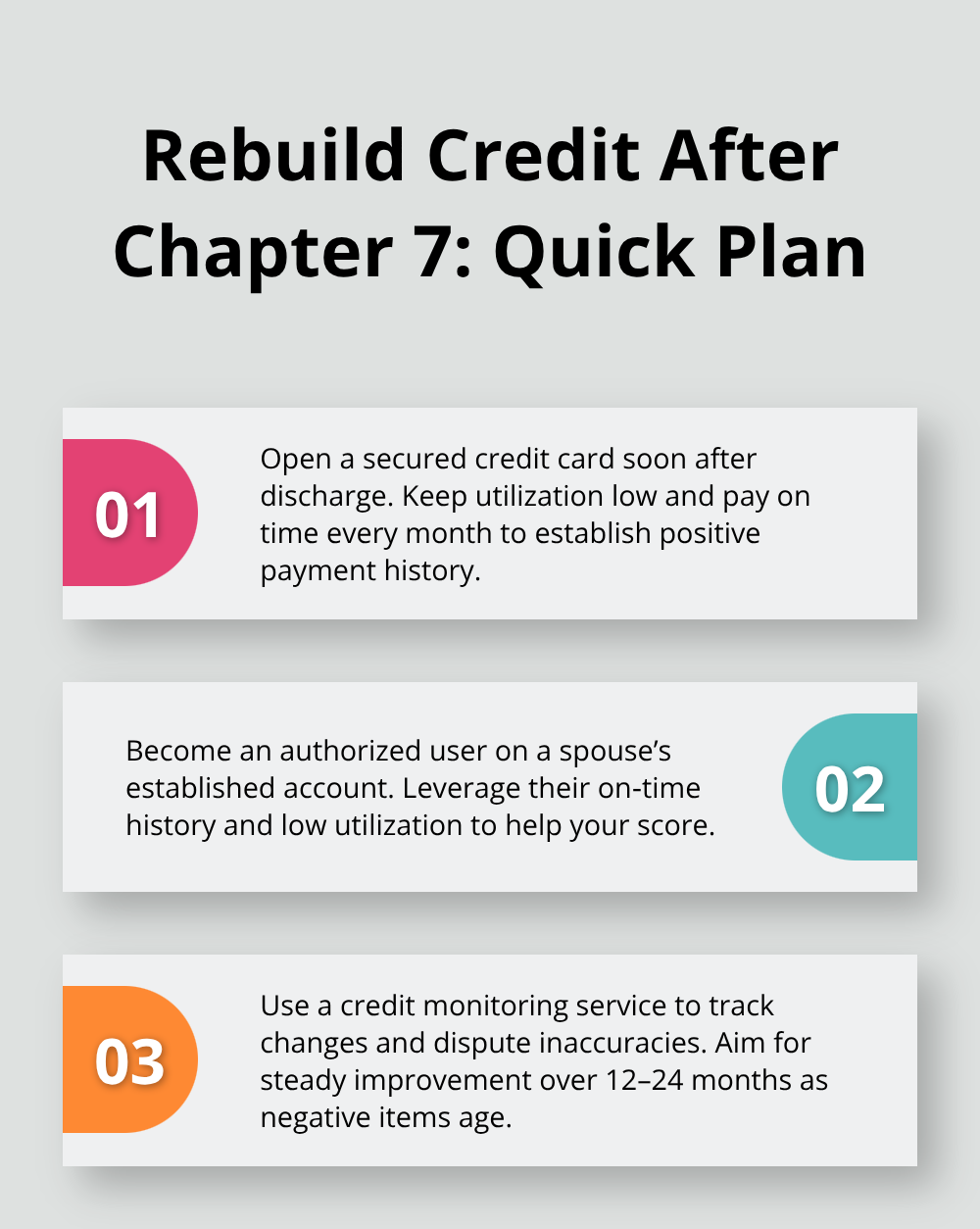
Your credit score will recover faster than most people expect; military service members typically see credit score improvements of fifty to one hundred points within one to two years after discharge, particularly when they establish a secured credit card or become an authorized user on a spouse’s account in good standing. Obtaining a credit monitoring service helps you track your progress and dispute any inaccurate entries that creditors may have reported before your discharge became final. This proactive approach to credit repair positions you to address the misconceptions that often surround military pensions and Chapter 7 filing-misconceptions we’ll examine in the next section.
What Military Service Members Get Wrong About Pension Protection
Your Pension Cannot Be Seized in Chapter 7 Bankruptcy
Many service members postpone filing Chapter 7 bankruptcy because they believe creditors will seize their pension, but this misconception rests on a fundamental misunderstanding of federal bankruptcy law. Your military pension cannot be touched in Chapter 7 bankruptcy under any circumstance, regardless of how much unsecured debt you carry. This protection applies equally to active-duty personnel, retirees receiving monthly payments, and those with vested but unpaid benefits. Federal law treats military pensions as fundamentally different from other income sources. When you file Chapter 7 in Florida, your pension qualifies for exemption under both 11 U.S.C. § 522(b)(3)(C) at the federal level and Florida Statute § 222.21 at the state level, creating dual protection that makes these assets completely unreachable by creditors or the bankruptcy trustee.
Income Calculations Do Not Threaten Your Allowances
Service members frequently believe that including BAH and BAS in means test calculations somehow puts those allowances at risk, when in fact the means test simply determines whether you qualify for Chapter 7 discharge based on income thresholds. Your BAH and BAS count in income calculations but remain yours to keep and spend as needed. VA disability benefits, by contrast, do not appear in means test calculations at all and stay completely outside the bankruptcy estate. The confusion stems from mixing two separate concepts: what counts as income for qualification purposes versus what creditors can actually claim.
USFSPA Awards and SBP Elections Do Not Reduce Your Protection
Service members with former spouses sometimes incorrectly assume that a USFSPA award reduces pension protection, leading them to believe their own pension portion becomes vulnerable. This is entirely incorrect. USFSPA allows the military finance office to pay a portion of your pension directly to an ex-spouse, but this administrative arrangement does not diminish your exemption or allow creditors to claim any part of your retirement benefits. Similarly, Survivor Benefit Plan elections do not reduce pension protection; these payments flow from your protected retirement entitlements and remain exempt in bankruptcy.
Chapter 7 Protects Your Family’s Financial Stability
Service members with dependents sometimes worry that filing Chapter 7 will jeopardize their family’s financial security, but the opposite occurs. Chapter 7 discharge typically completes within four to six months, stopping creditor collection actions and wage garnishment that would otherwise drain household income needed for dependents. The fastest path to protecting your family’s financial stability is filing Chapter 7 rather than postponing and allowing debt to accumulate further. Creditors cannot resume collection efforts once your discharge order becomes final, cannot report the debt as still owed on your credit report, and cannot pursue legal action against you or your family members.
Conclusion
Military pensions stay completely secure through Chapter 7 bankruptcy in Florida, protected by federal law and reinforced by state statutes that work together to shield your retirement income from creditors. The federal bankruptcy code, the Servicemembers Civil Relief Act, and Florida’s retirement account exemptions create multiple layers of protection that creditors cannot penetrate, regardless of how much unsecured debt you carry. Your pension continues flowing into your account uninterrupted while Chapter 7 discharges credit cards, medical bills, and other consumer debts within four to six months.
We at Harnage Law, PLLC understand the unique financial pressures facing service members and their families. Our firm guides military members through Chapter 7 bankruptcy by explaining how pension protection works, calculating your actual disposable income after accounting for BAH, BAS, and VA disability benefits, and ensuring you claim all available exemptions on your bankruptcy petition. We stop creditor harassment immediately through the automatic stay, prevent wage garnishment that drains household income, and halt lawsuits that create additional stress during deployment or PCS moves.
If you are a Florida service member facing financial hardship, contact Harnage Law, PLLC to schedule a confidential consultation where we can review your assets, explain how Chapter 7 protects your pension, and outline the timeline for discharge. Waiting only allows debt to grow and creditors to intensify collection efforts. Taking action now through Chapter 7 bankruptcy positions you to rebuild your financial stability while keeping your earned military retirement benefits completely intact.