
Overwhelming debt can make you feel trapped, but Chapter 7 bankruptcy offers a legitimate path to financial relief in Florida. We at Harnage Law, PLLC understand that navigating this process alone is difficult.
This guide walks you through Chapter 7 legal help, from filing requirements to what happens after discharge. You’ll learn when to file, what to expect, and how to move forward with confidence.
What Debts Can Chapter 7 Actually Eliminate in Florida
Unsecured Debts That Chapter 7 Wipes Out
Chapter 7 bankruptcy eliminates unsecured debts like credit card balances and medical bills, but it cannot touch secured debts or certain obligations. Understanding what qualifies for discharge matters because it directly affects your financial recovery. Credit card debt, medical expenses, personal loans, and most court judgments fall under unsecured debts that Chapter 7 eliminates. However, mortgage payments, car loans, child support, alimony, recent tax debts, and student loans remain your responsibility even after discharge.
Timeline From Filing to Discharge
The timeline from filing to discharge typically spans four to six months, though this extends if the trustee requests additional documents or needs to liquidate assets. This relatively quick resolution compared to Chapter 13 (which requires three to five years of repayment plans) makes Chapter 7 attractive for those who qualify based on income.
The Means Test Determines Your Eligibility
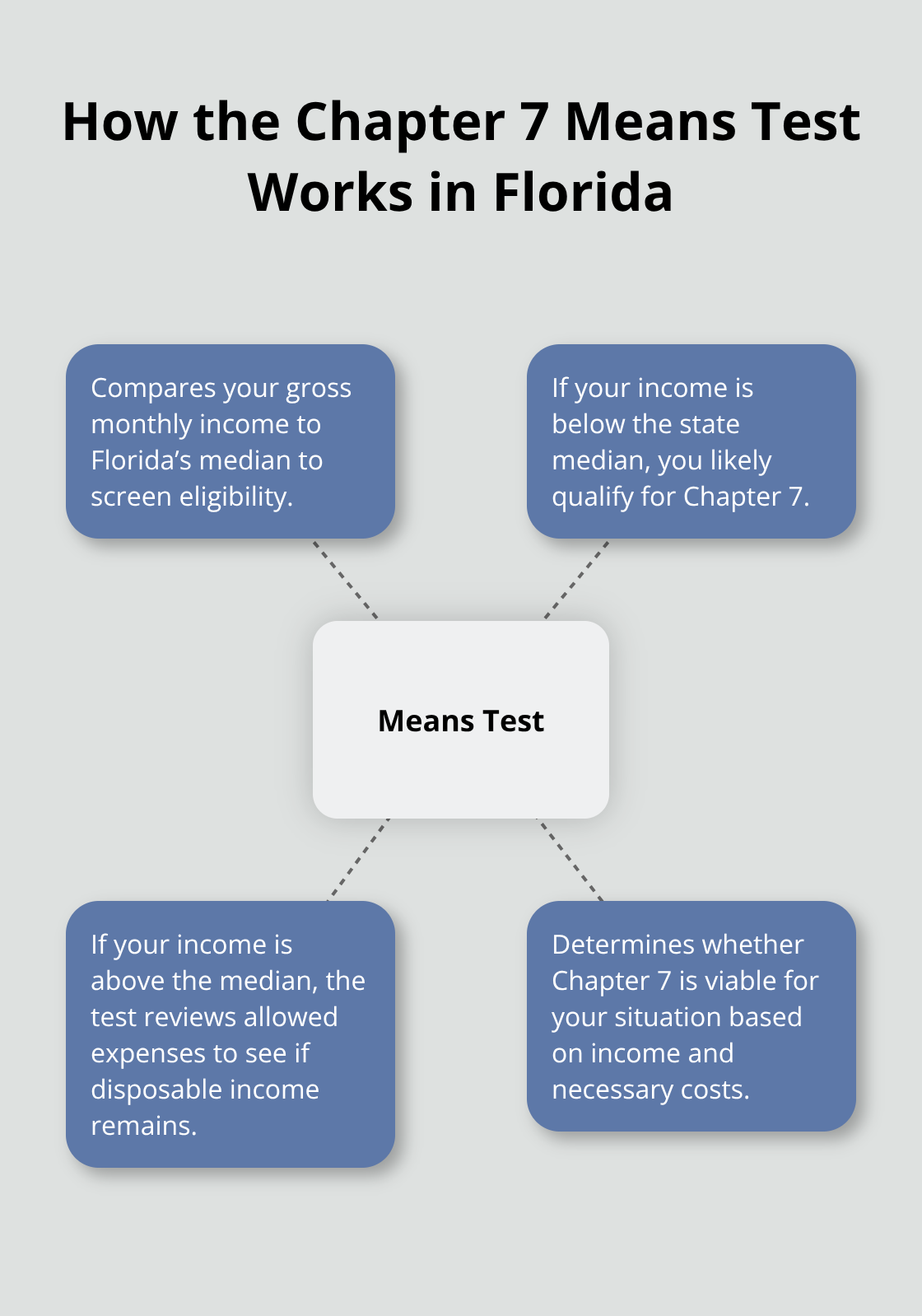
Your income determines whether Chapter 7 is viable for your situation. The means test-a calculation comparing your gross monthly income against Florida’s median income-decides your eligibility. If your income falls below the state median, you likely qualify. If it exceeds the median, the test examines your expenses to see whether you have disposable income remaining after necessary costs.
Chapter 13 as Your Alternative Path
Chapter 13 becomes the alternative when Chapter 7 fails the means test, allowing you to reorganize debts through a repayment plan while protecting assets like your home. The choice between these chapters fundamentally changes your outcome: Chapter 7 offers faster relief but requires asset surrender if you hold equity beyond exemptions, while Chapter 13 preserves assets but demands a structured payment commitment.
Preparing Your Financial Information
Knowing your income, debts, and assets before consulting with legal representation accelerates the decision-making process and helps you understand which path actually fits your circumstances. This preparation positions you to move forward with clarity about your options and next steps.
When to File Chapter 7 in Florida
Recognizing Financial Emergencies That Demand Action
Creditor calls, wage garnishment notices, and mounting medical bills create pressure that demands immediate action. Waiting typically worsens your financial position because creditors continue collecting, your debt grows with interest and fees, and the psychological toll intensifies. The right moment to file Chapter 7 arrives when you recognize that your income cannot cover your debts, when creditors pursue legal action, or when wage garnishment has already begun. These are not theoretical warning signs-they are concrete financial emergencies that Chapter 7 directly addresses.
The Real Cost of Wage Garnishment Delays
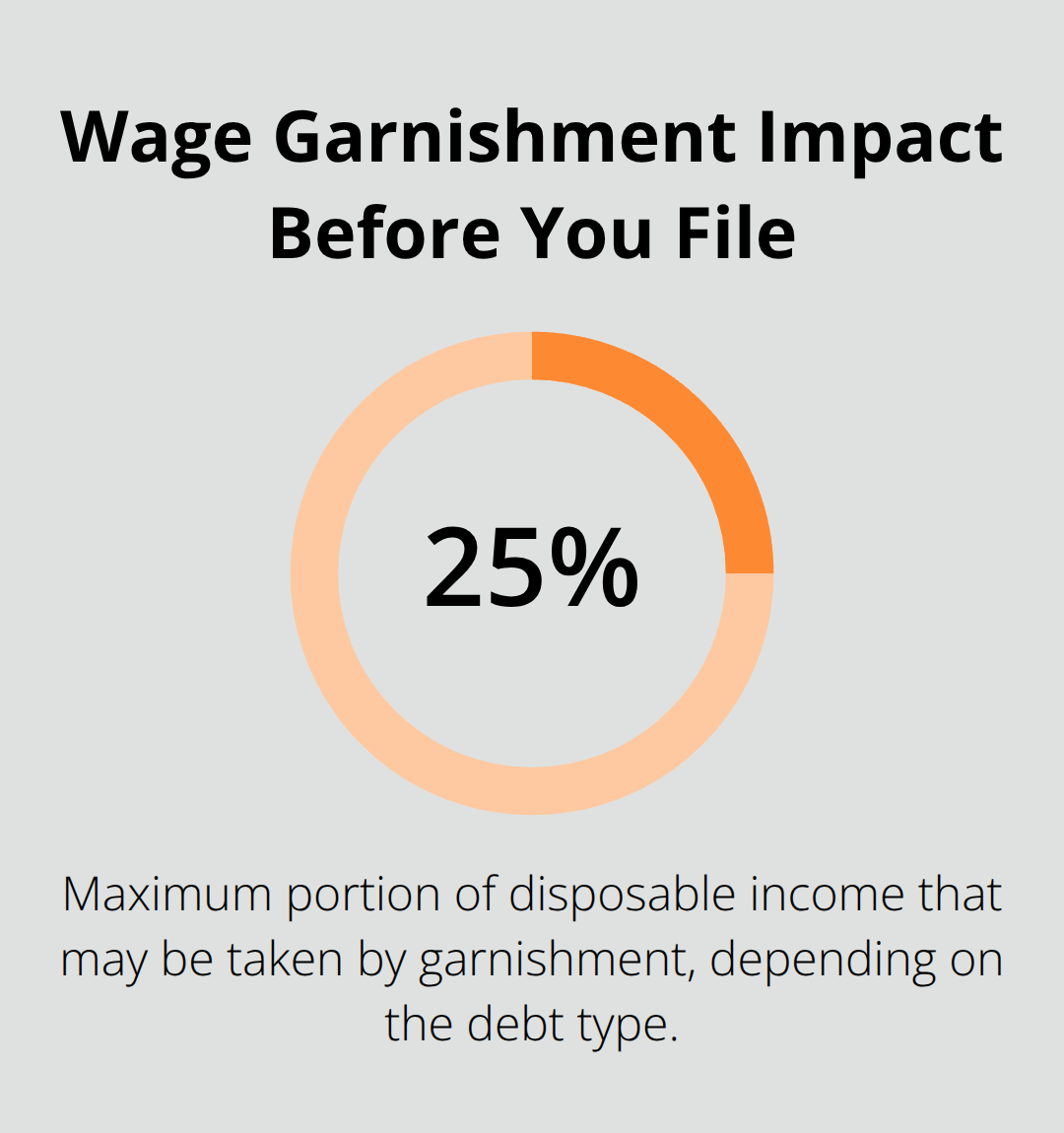
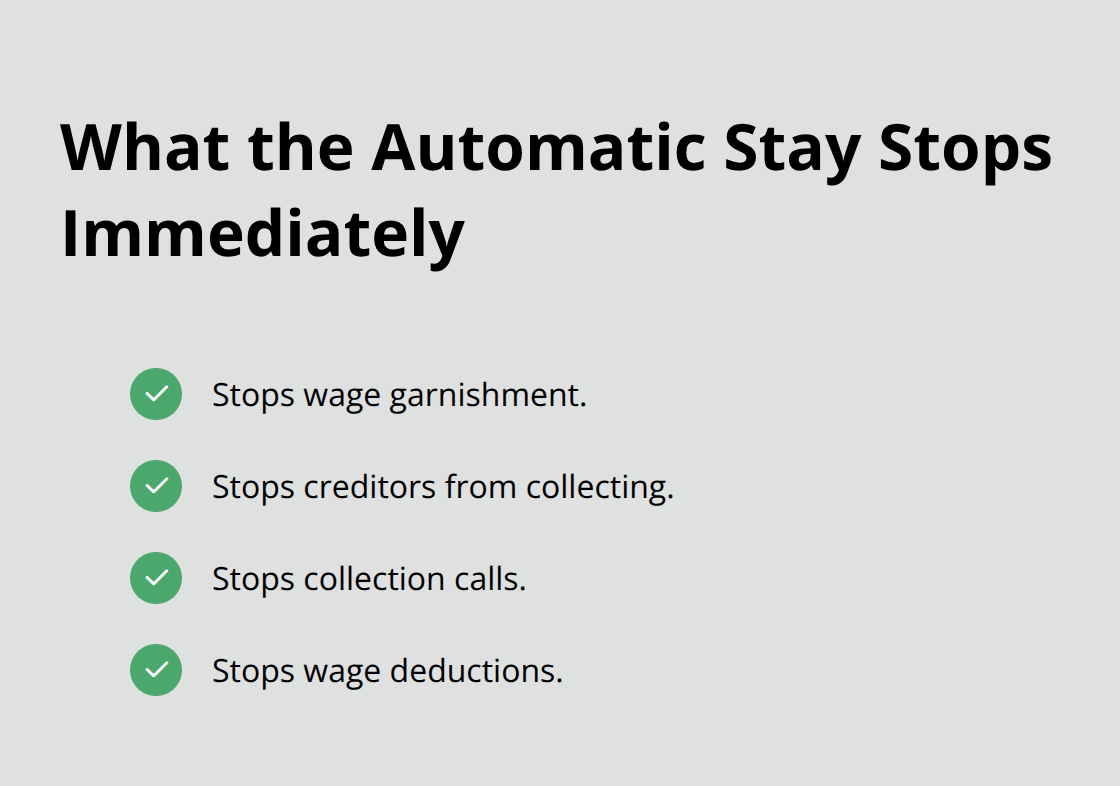
Wage garnishment can take up to 25 percent of your disposable income depending on the debt type, which means delaying filing costs you real money every paycheck. If you receive a garnishment notice, filing Chapter 7 immediately triggers an automatic stay that halts the garnishment and stops creditors from collecting while your case proceeds. This single protection often justifies filing without further delay, as each paycheck lost to garnishment represents funds you cannot recover later.
How Quickly Chapter 7 Actually Moves
The four to six month timeline from filing to discharge matters strategically. If you file now, you could receive your discharge within roughly half a year, whereas postponing means extending your current financial crisis. Many people underestimate how quickly the Chapter 7 process moves once you file, partly because they expect drawn-out court battles that rarely materialize. Most Chapter 7 cases involve no litigation-the trustee reviews your assets, liquidates non-exempt property if necessary, and distributes proceeds to creditors.
What Happens at the 341 Meeting
Your main obligation is attending the 341 meeting of creditors, a brief conversation with the trustee and creditors that typically lasts under 15 minutes. The automatic stay takes effect the moment you file, so creditor harassment stops immediately even though your case continues for several more months. This combination of speed and creditor relief makes early filing far more advantageous than hoping your situation improves on its own, and understanding what to expect at this meeting removes much of the anxiety surrounding the process.
What Happens During Your Chapter 7 Case
Initial Consultation and Case Evaluation
Your Chapter 7 case unfolds in predictable stages, and understanding each one removes the mystery that often delays people from filing. The process starts with your initial consultation, where you’ll discuss your financial situation, debts, income, and assets with a legal professional who can evaluate whether Chapter 7 makes sense for you. During this consultation, ask how many Chapter 7 cases the attorney has personally filed that appear in PACER, the federal bankruptcy database, since this demonstrates real courtroom experience rather than theoretical knowledge.
Gathering Financial Documents and Preparing Your Case
After evaluation, you’ll need to collect specific financial documents: recent pay stubs, tax returns from the last two years, bank statements, mortgage statements, car loan documents, credit card statements, and a list of all debts with creditor names and amounts owed. The attorney will also order your credit reports and conduct asset verification to understand what property you own and whether exemptions will protect it. This preparation phase typically takes two to three weeks, and moving quickly through it means you can file sooner and trigger the automatic stay that stops wage garnishment and creditor calls immediately.
The 341 Meeting of Creditors
The 341 meeting of creditors happens about four to six weeks after you file, and despite its intimidating name, it’s straightforward and brief. You’ll meet with the Chapter 7 trustee, a court-appointed official who reviews your case, and creditors are invited but rarely attend unless significant assets are involved. This meeting typically lasts under 15 minutes, and the trustee asks standard questions about your income, debts, assets, and whether you’ve hidden any property or committed fraud. The trustee’s job is to liquidate non-exempt assets and distribute the proceeds to creditors, so their questions focus on understanding what you own and whether anything falls outside your exemptions.
Moving Toward Discharge
After the meeting, the case proceeds toward discharge, which you’ll receive roughly four to six months after filing. During this waiting period, you attend no additional court hearings for most Chapter 7 cases, though the trustee may request additional documents or schedule a follow-up meeting if questions arise about your finances or assets (this happens in a small percentage of cases and typically resolves quickly).
Final Thoughts
Finding the right legal representation matters more than you might think. When evaluating attorneys, ask how many Chapter 7 cases they’ve personally filed that appear in PACER, the federal bankruptcy database-this question cuts through marketing claims and reveals actual courtroom experience. We at Harnage Law, PLLC guide individuals and families through Chapter 7 legal help with personalized services that address your specific financial situation, stopping creditor harassment and preventing wage garnishments so you can focus on rebuilding.
Taking action toward financial recovery begins the moment you decide to file. The four to six month timeline from filing to discharge moves faster than most people expect, and each month you delay costs you real money through continued wage garnishment and mounting creditor pressure. Filing triggers the automatic stay immediately, which stops collection calls and wage deductions before your first court appearance, and this immediate relief often surprises clients who anticipated months of ongoing harassment.
Once you receive your discharge, qualifying debts vanish permanently, and you’re no longer legally obligated to pay them. This doesn’t mean your credit rebuilds overnight, but it does mean you’ve eliminated the debts that were preventing financial progress. Contact us at Harnage Law, PLLC to discuss whether Chapter 7 bankruptcy fits your circumstances and what your financial recovery could look like.